
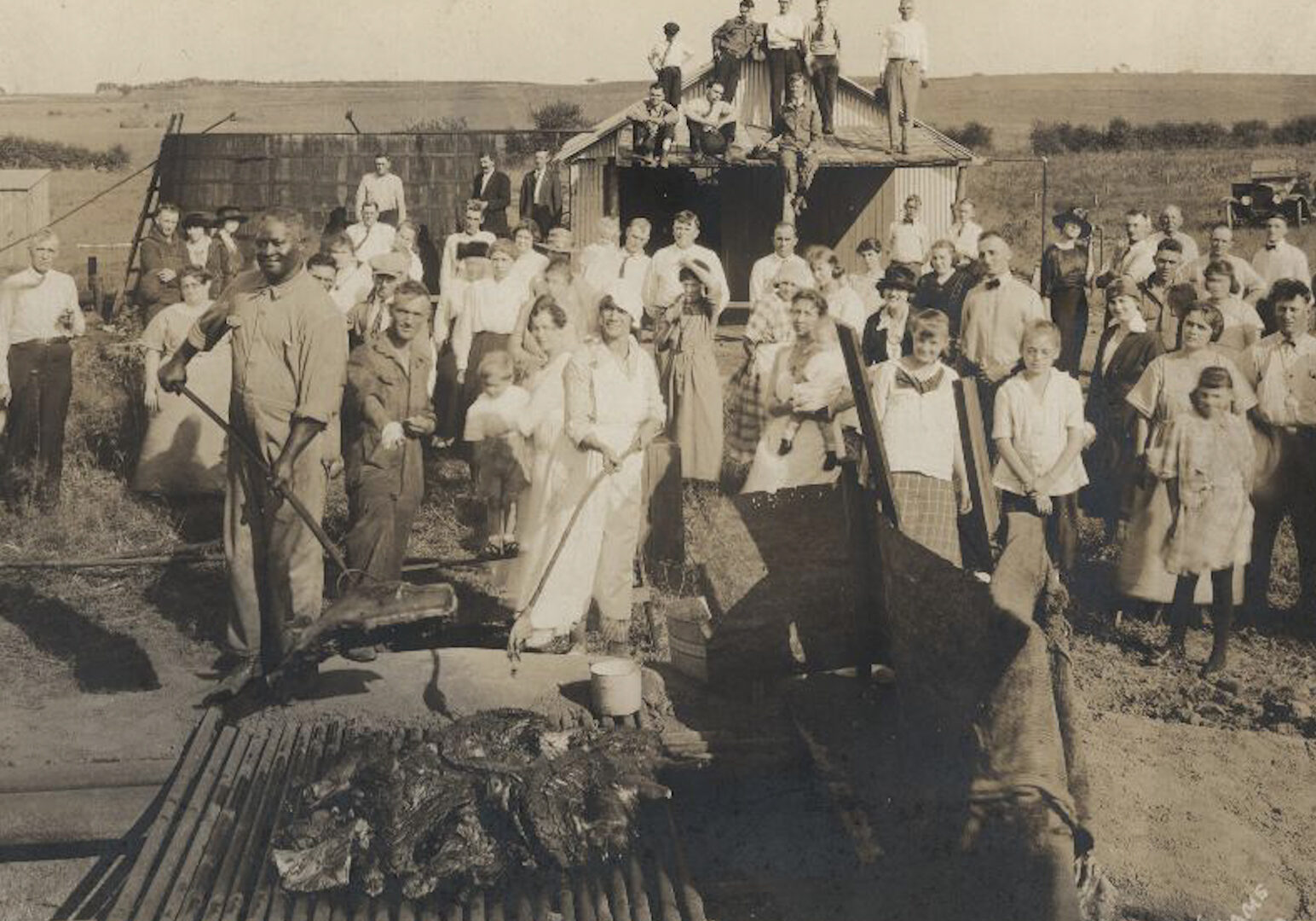
Adrian Miller is on a mission. He wants to ensure the whole story of barbecue is told.
Miller recently sat down with Flatland to discuss a few key findings from his book: “Black Smoke: African Americans and the United States of Barbecue.”
Miller contends the barbecue story, in large part, is one of cultural appropriation. He notes, for example, that Native Americans were the first to barbecue. Enslaved Black people then became pre-eminent. Only later did white people come to dominate the barbecue narrative.
“The thing that really surprised me is the way that Native Americans have been erased from the barbecue narrative is a template for what is happening to African Americans now,” Miller said.
Miller, a certified barbecue judge, hopes to help preserve the diverse history of barbecue — not only through his book but by also serving on the nominating committee of the American Royal Barbecue Hall of Fame.
He’s also happy to jump into the seemingly endless barbecue sauce debate.
To learn more, watch the attached video.
Reading these stories is free, but telling them is not. Start your monthly gift now to support Flatland’s community-focused reporting.
Related Stories
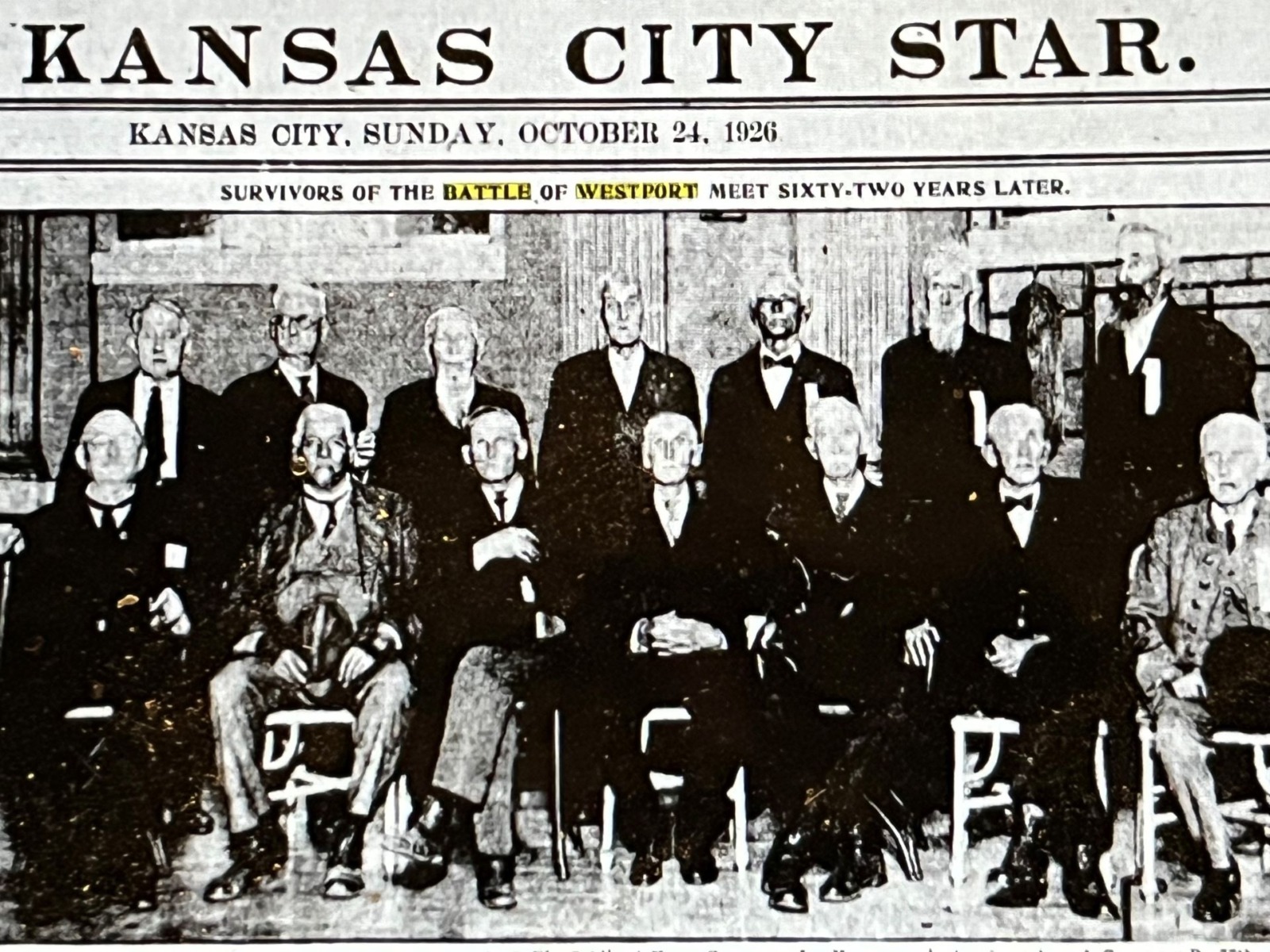
A Better Big Blue Battlefield in Kansas City | Part II
Editor’s note: This is the second installment of a three-part series on the restoration of the Big Blue Battlefield in Kansas City, Missouri. In the mid-19th century, overland trail teamsters driving wagons west sometimes followed a branch of the Santa Fe Trail out of Independence, using the shortcut to reach fields where the animals used…
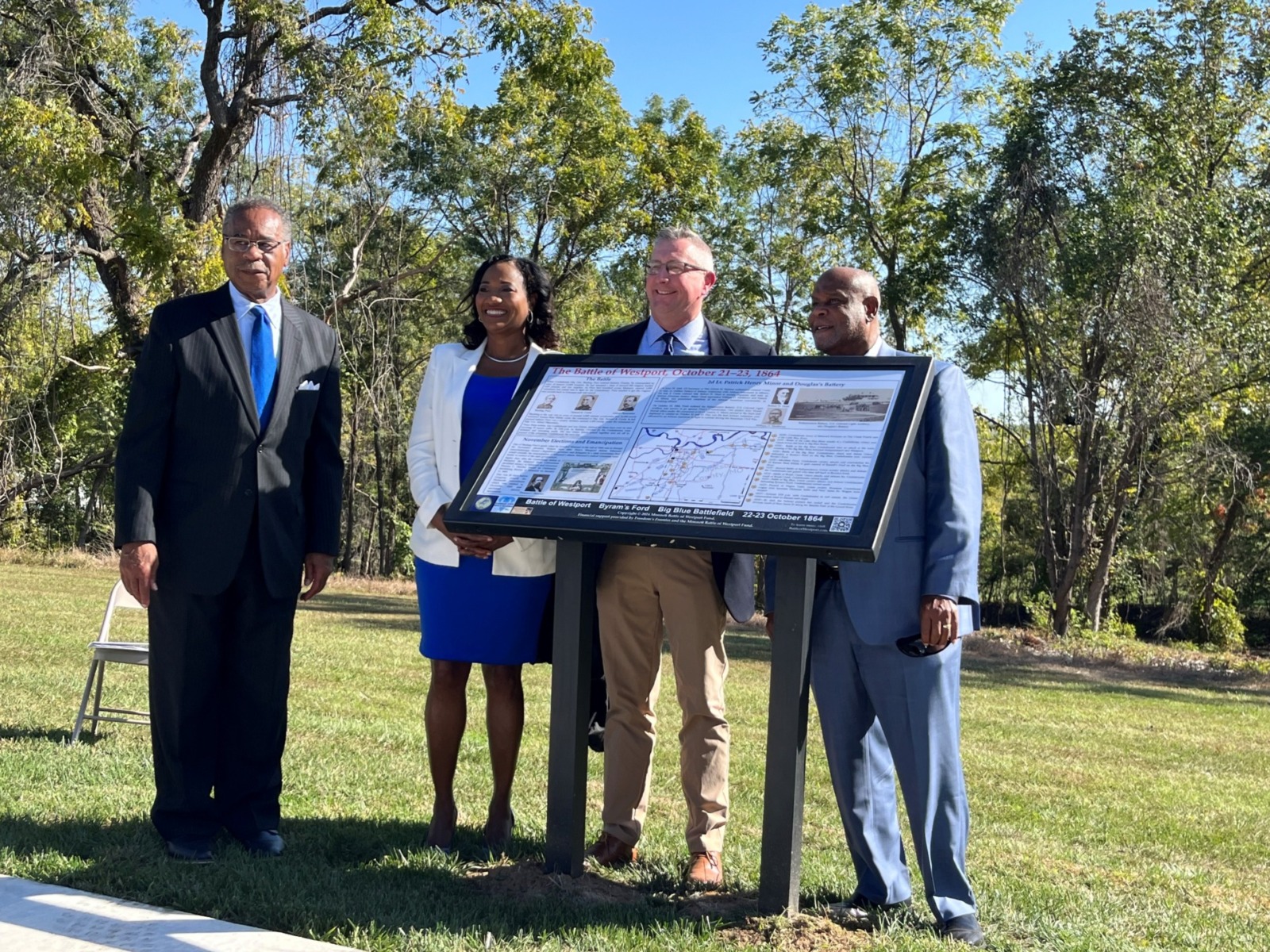
A Better Big Blue Battlefield | Part I
Editor’s note: This is the first installment of a three-part series on the restoration of the Big Blue Battlefield in Kansas City, Missouri. It was cold for late October in Kansas City. In 1864 Lt. Patrick Henry Minor, then leading an artillery battery against Confederate forces, would die the following March, from what likely had…
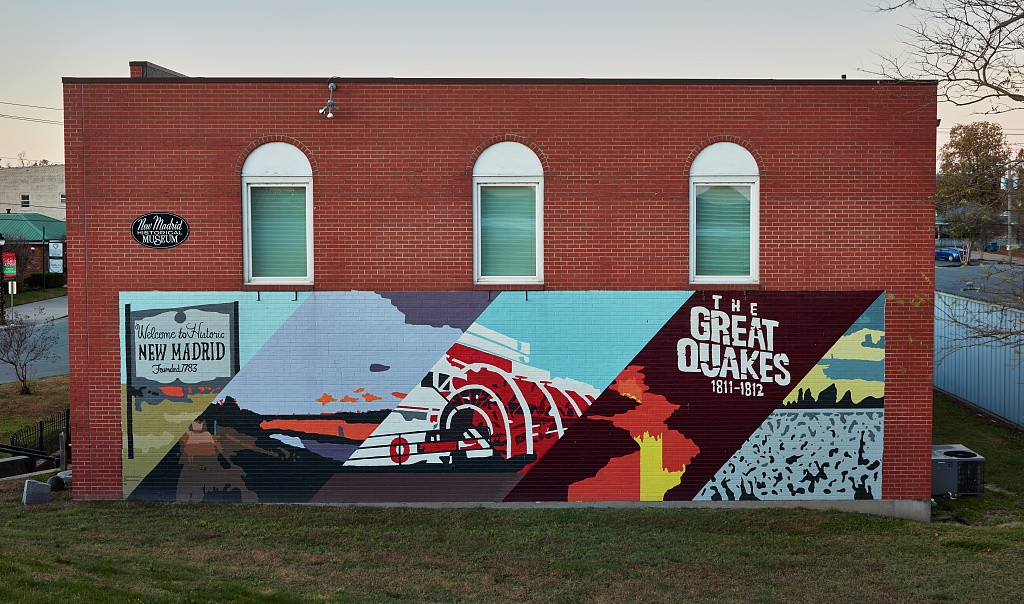
Historic Earthquakes Accounts Guide Modern First Responders
On December 16, 1811, a U.S. Army officer stationed in the soon-to-be-established Missouri Territory woke just after 2 a.m. reacting to what he described as a “great agitation”, an earthquake. Several of the officer’s guards, he soon wrote to a friend, “could scarcely keep their feet” during the shaking, which he said lasted about eight…