

Passing the Baton | Carmaletta Williams on Highways Breaking Neighborhoods
Passing the Baton Ep. 4
February 27, 2023 | Sandy Woodson | 1 min read
Season One, Passing the Baton Ep. 4
Carmaletta Williams has warm memories of growing up in a close-knit Kansas City neighborhood.
Williams, CEO of the Black Archives of Mid-America, has entirely different feelings about how the highway now known as Bruce R. Watkins Drive changed the city.
In this week’s installment of “Passing the Baton,” a series of cross-generational conversations hosted by urban educator Carl Boyd, Williams shares with Shonta’ James of the Black Archives how the highway influenced her life.
It was a “deliberate way of breaking up the space … of separating the Blackness,” Williams said. “But the neighborhood was never the same. They came through and destroyed that neighborhood.”
Williams sees her life since then as a long journey focused on inclusion and public education.
“We haven’t torn down those walls yet,” Williams said. “And I’ve seen that as my mission. And it all stems from coming from that neighborhood.”
To learn more, watch the attached video.
Sandy Woodson is an independent producer, most recently of “AIDS in KC: The Early Days,” which aired on Kansas City PBS. “Passing the Baton” is presented with support from Health Forward Foundation and
Husch Blackwell.
Reading these stories is free, but telling them is not. Start your monthly gift now to support Flatland’s community-focused reporting.
Related Stories
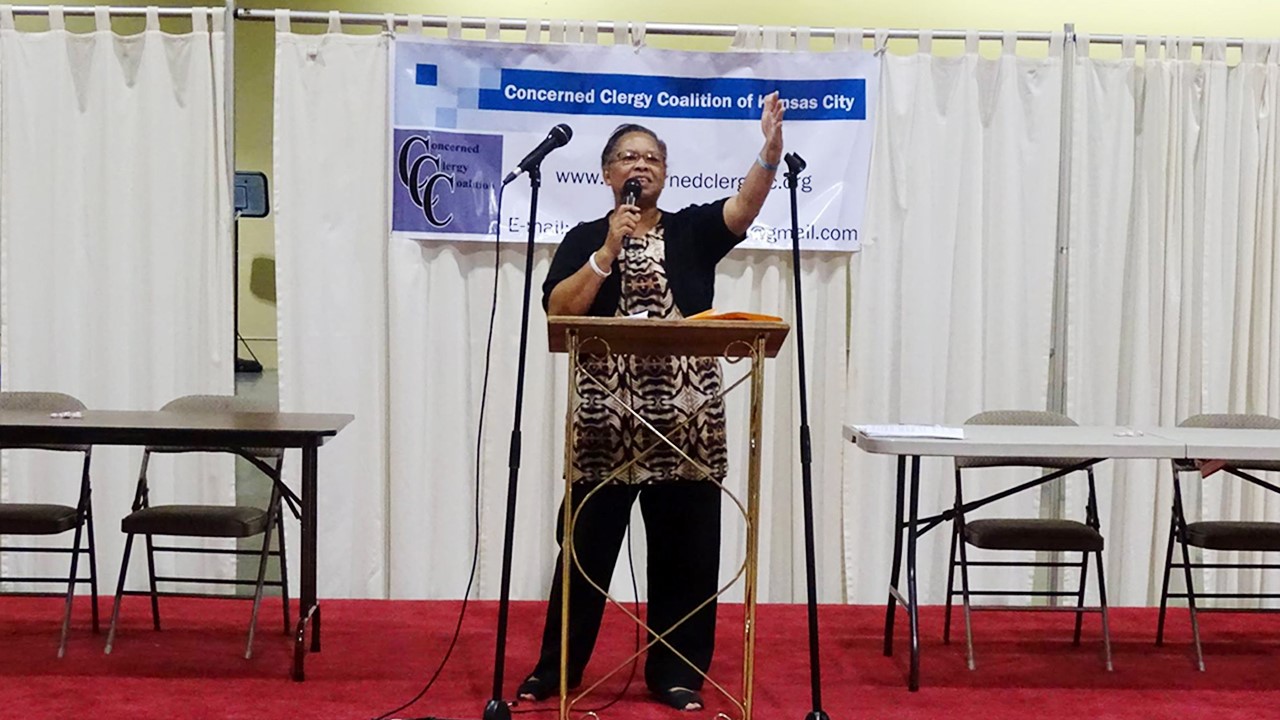
Passing the Baton | Pastor Cassandra Wainright’s Life of Service
Pastor Cassandra Wainright became the first female president of the Concerned Clergy Coalition of Kansas City. Watch her story on "Passing the Baton."
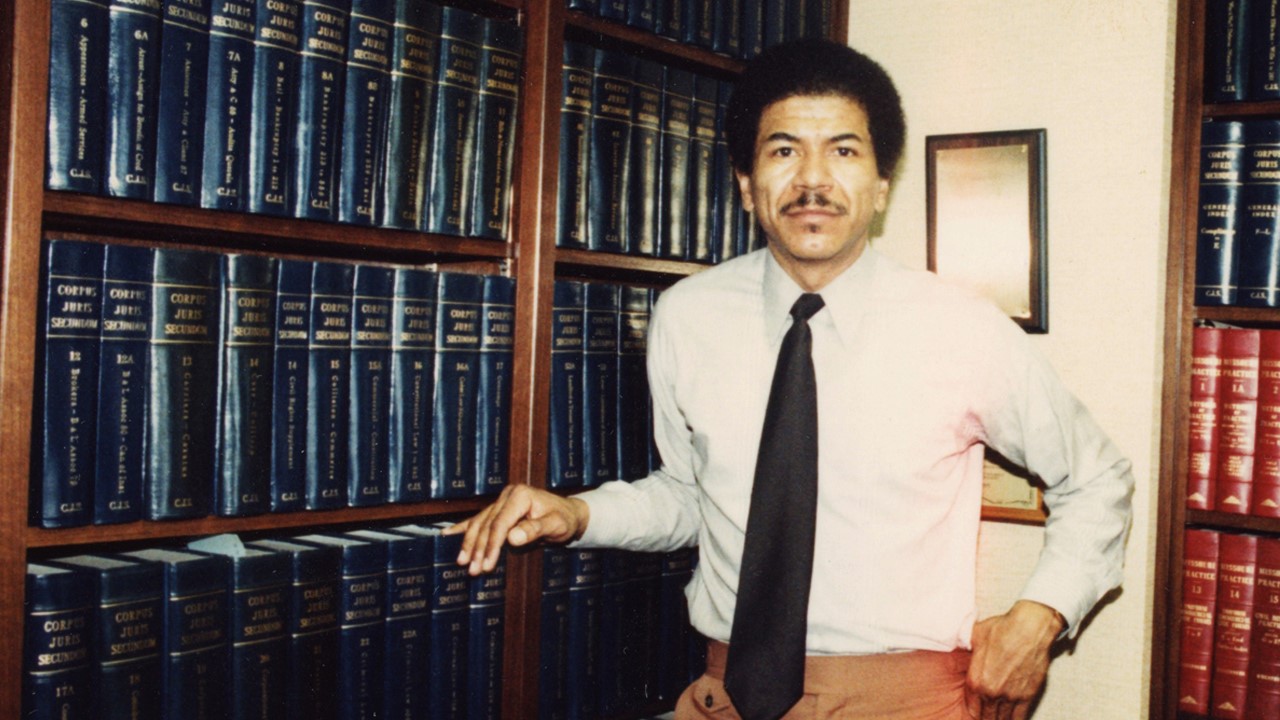
Passing the Baton | Groundbreaking African American Lawyer
Senior U.S. District Judge Fernando J. Gaitan Jr. reflects on a long, groundbreaking legal career as part of our "Passing the Baton" series.
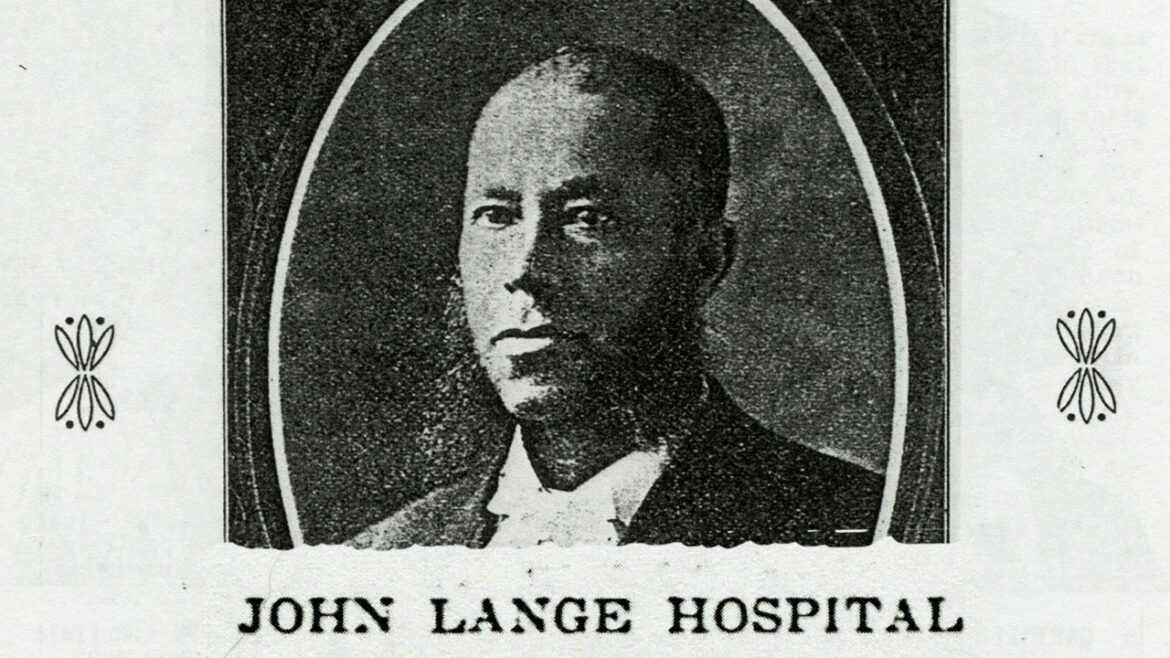
Passing the Baton | Sonny Gibson’s Pursuit of Local Black History
Sonny Gibson, a historian and author, has been doggedly documenting the forgotten history of Black Kansas City for decades.