
Farm & Field

What Is The Carbon Footprint Of A Typical Thanksgiving Dinner?
Mike Berners-Lee may not be an expert on the American Thanksgiving. A native of the UK, he’s never actually had the pleasure of experiencing one. But as one of the world’s leading researchers on the carbon footprint of—well—everything (he even wrote a book subtitled “The Carbon Footprint of Everything”), he’s plenty familiar with the impacts of…

Looking To Settle Down, Immigrant Workers Face Housing Crisis
The immigrant workers that pick crops like cotton and melons in the U.S. can have a tough time finding a place to live. The rural areas where they can find work often lack the social services and affordable housing. That means many farm worker families end up in dilapidated buildings, which can come with health…
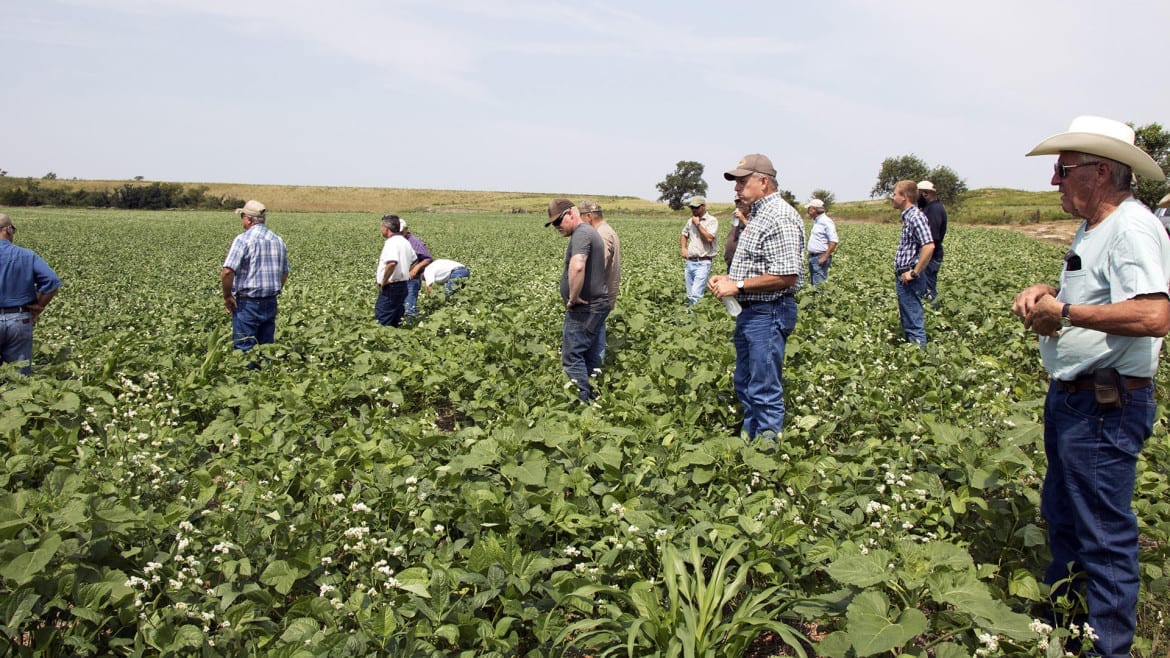
Farmers school themselves on soil health to revive dying dirt
Generations of tilling and planting on the same land have left the nation’s soil in poor shape. And if farmers don’t change the way they grow crops, feeding the future won’t be easy. As farmer Jordan Shearer from Slapout, Okla., puts it, “we’re creating a desert environment by plowing the damn ground.” Taking a toll…
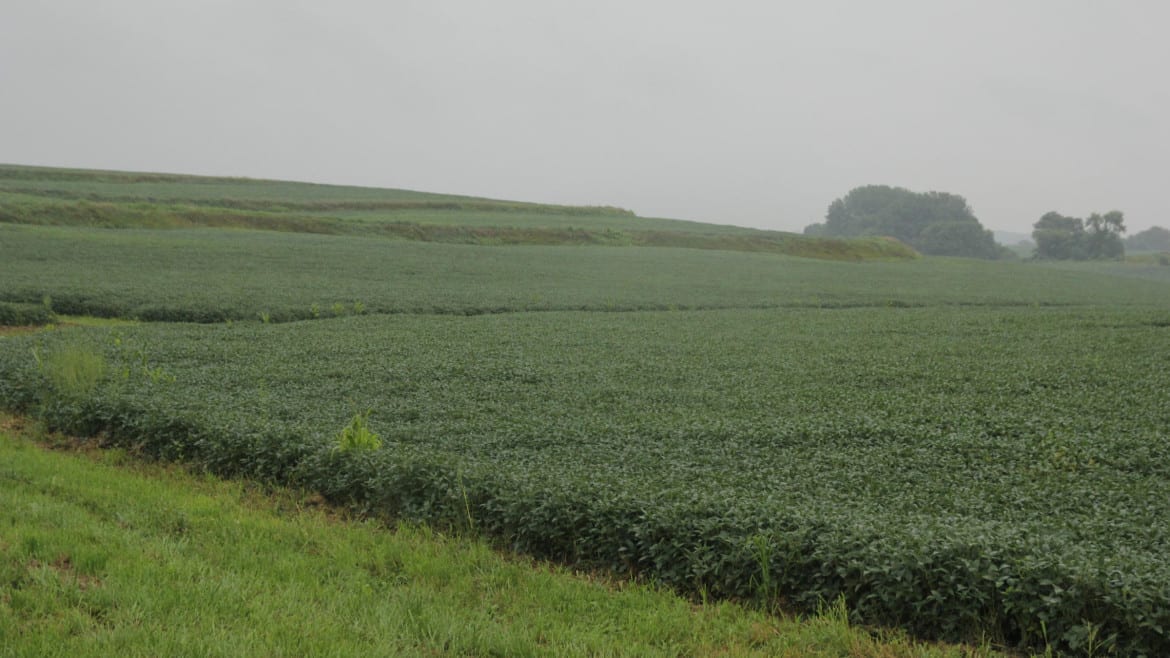
Food Companies Pressure Farmers To Reduce Runoff
Editor’s Note: This is the second of a two-part series on agricultural runoff from Harvest Public Media. The first part of the series ran on Flatland on September, 26. In order to grow massive amounts of corn and soybeans, two crops at the center of the U.S. food system, farmers in the Midwest typically apply hundreds…
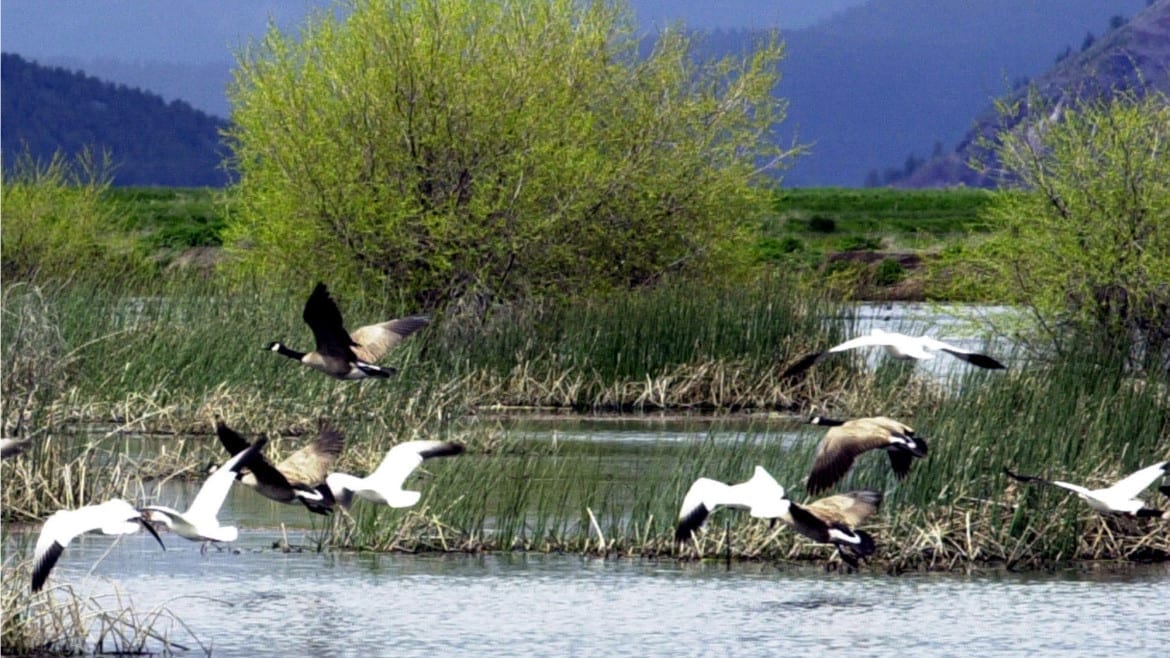
USDA whistleblower claims censorship of pesticide research
A senior scientist at the U.S. Department of Agriculture filed a whistleblower complaint on Wednesday accusing the federal agency of suppressing research findings that could call into question the use of a popular pesticide class that is a revenue powerhouse for the agrichemical industry. Jonathan Lundgren, a senior research entomologist with the USDA’s Agriculture Research…