
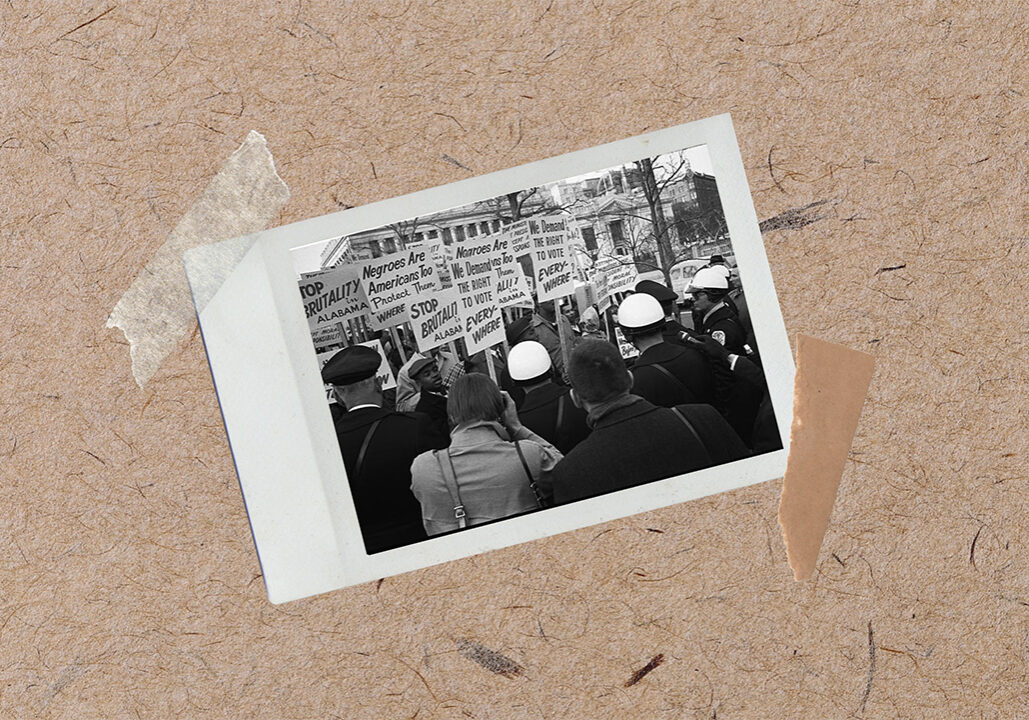
In this episode, we mark Juneteenth, also known as Jubilee or Freedom Day, dig into the history of what that day was really about and connect the dots from late 1865 to 2020.
Did slavery really end that day, or did it merely evolve?
June 19 is honored as the day the last enslaved people in Texas were finally told they were free in 1865. Even though President Abraham Lincoln issued the Emancipation Proclamation on Jan. 1, 1863, it wasn’t until after the Civil War was over that Union Gen. Gordon Granger went to Galveston, Texas, to enforce it once and for all.
“The people of Texas are informed that, in accordance with a proclamation from the Executive of the United States, all slaves are free. This involves an absolute equality of personal rights and rights of property between former masters and slaves, and the connection heretofore existing between them becomes that between employer and hired labor. The freedmen are advised to remain quietly at their present homes and work for wages. They are informed that they will not be allowed to collect at military posts and that they will not be supported in idleness either there or elsewhere.”
— General Orders, Number 3; Headquarters District of Texas, Galveston, June 19, 1865
Hosts Vicky Díaz-Camacho and Ieshia Downton chat with two historians, Lyle Gibson of Metropolitan Community College and Daive Dunkley of the University of Missouri, about the important milestones in history that stemmed from the Emancipation Proclamation to the Black Liberation movements. Then they visit with Azja Butler, a college student at the University of Kansas and a local organizer on the front lines of the Black Lives Matter movement in the Kansas City area.

Credits: Jacob Douglas, Bryan Truta, Chris Cosgrove and Felicia Diaz contributed to this episode.
Reading these stories is free, but telling them is not. Start your monthly gift now to support Flatland’s community-focused reporting.

Related Stories
Kansas City Bears Racial Scars of Interstate System
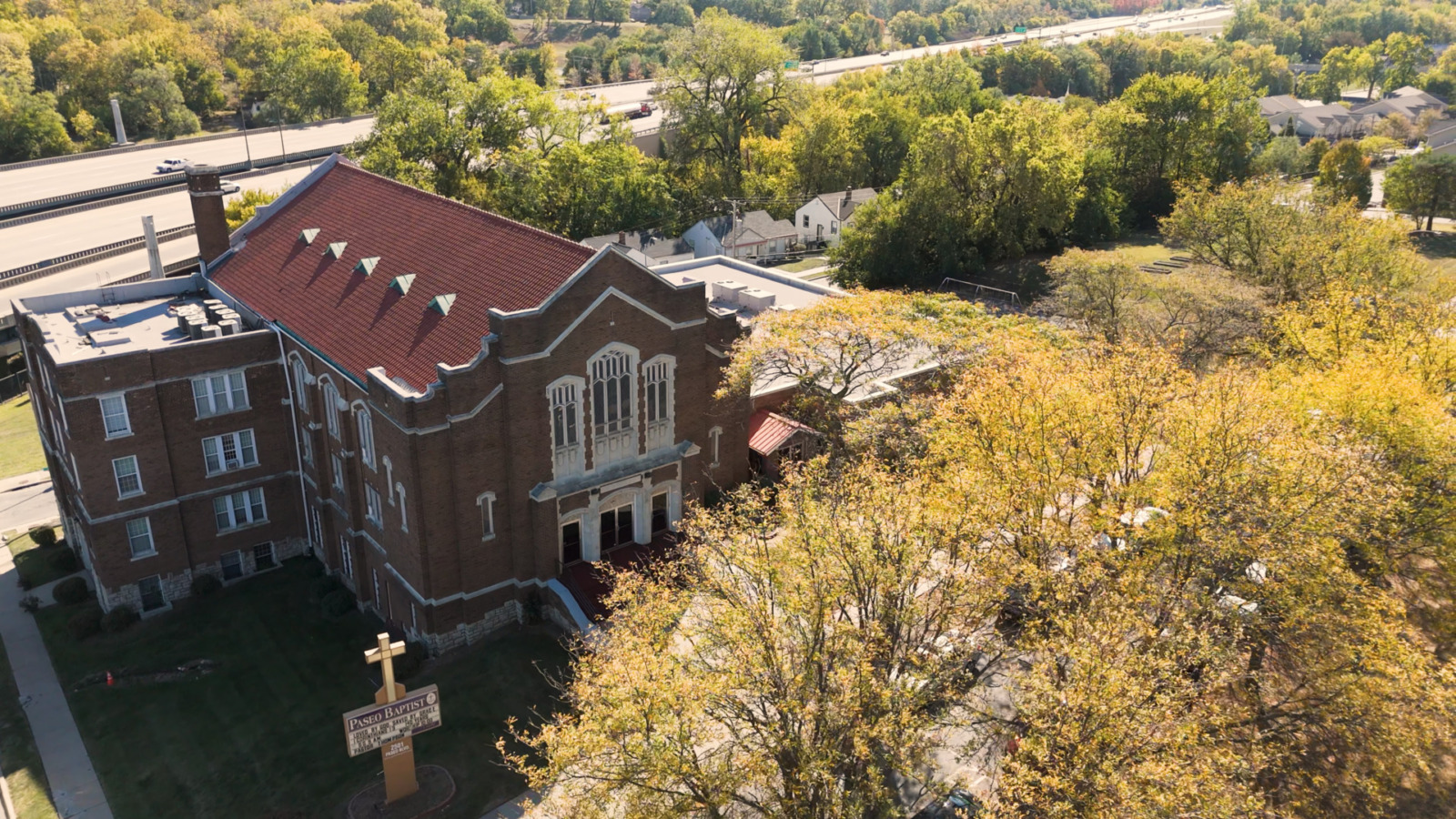
Political power, civic influence, and blatant racism shaped the construction of the federal highway system crisscrossing the U.S. today. Kansas City was an extraordinarily adept player in the post-WW II effort. As a result, interstates slice and encircle the metropolitan area, U.S. 71 Highway runs along the east side of town, and many other connecting…
Cultivating History Pt. 3: Business Success Breeds Resentment
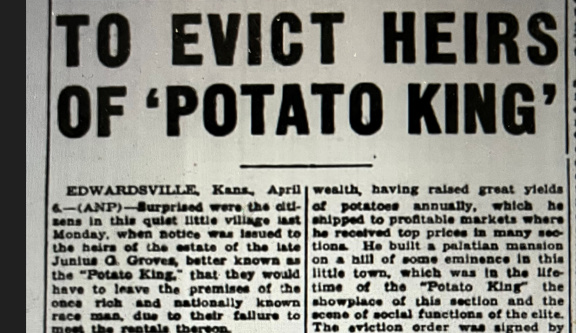
Junius Groves had built a potato empire by 1907, when educator Booker T. Washington showcased his success in his book, “The Negro in Business.” Groves then was shipping potatoes across North America while also importing what Washington called “fancy seed potatoes” from distant states. “He would get seed potatoes from Idaho and other places, and…
Cultivating History Pt. 2: ‘Potato King’ Thrives Amid Racism
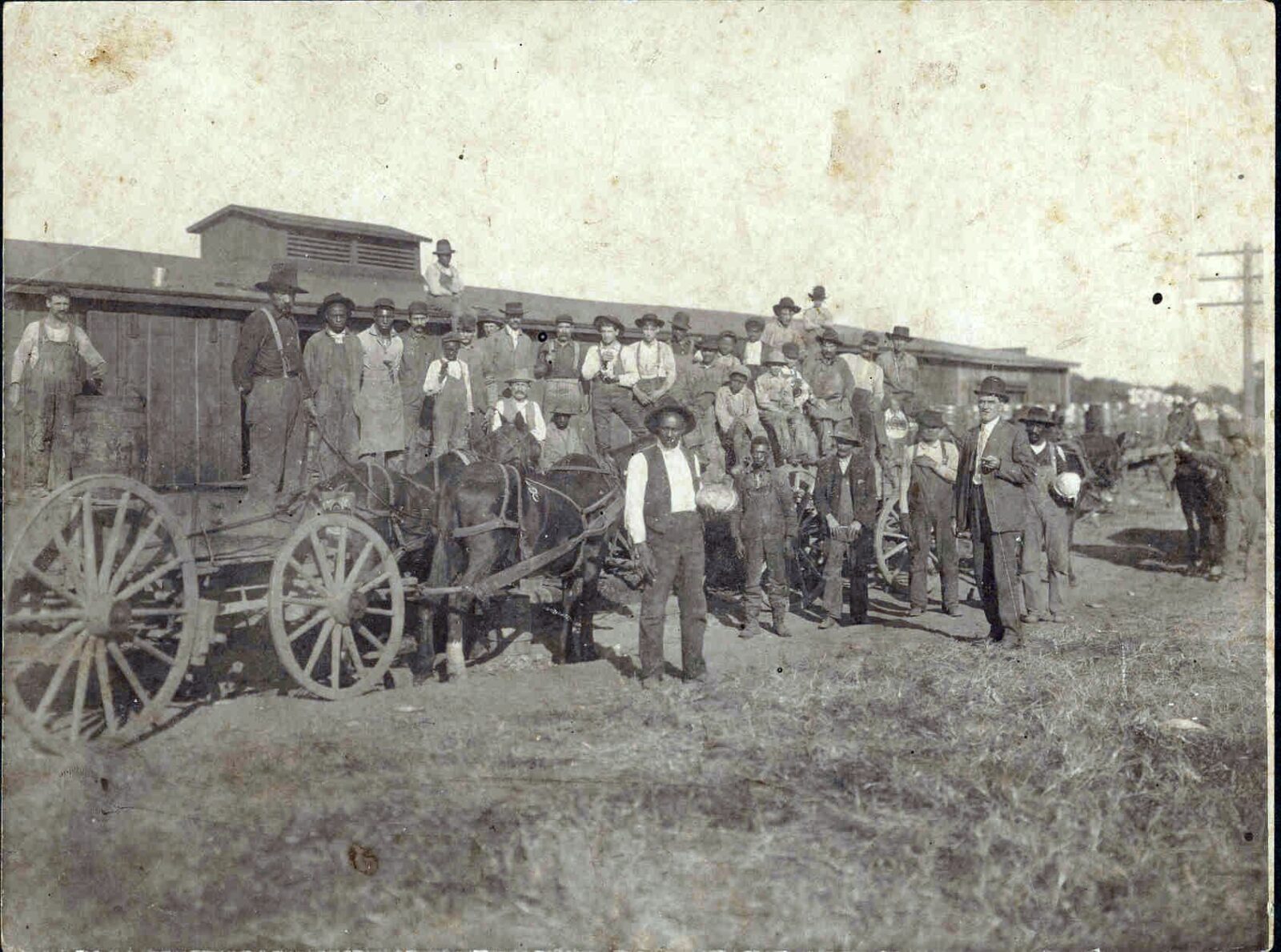
While Kansas would prove friendly to potato growers like Junius Groves, it would not be quite the “free state” envisioned by Exodusters, the African Americans who, following the end of Reconstruction, considered their prospects more promising in the North. “It was about the same time when the Exodusters arrived in Kansas that the state Legislature…