
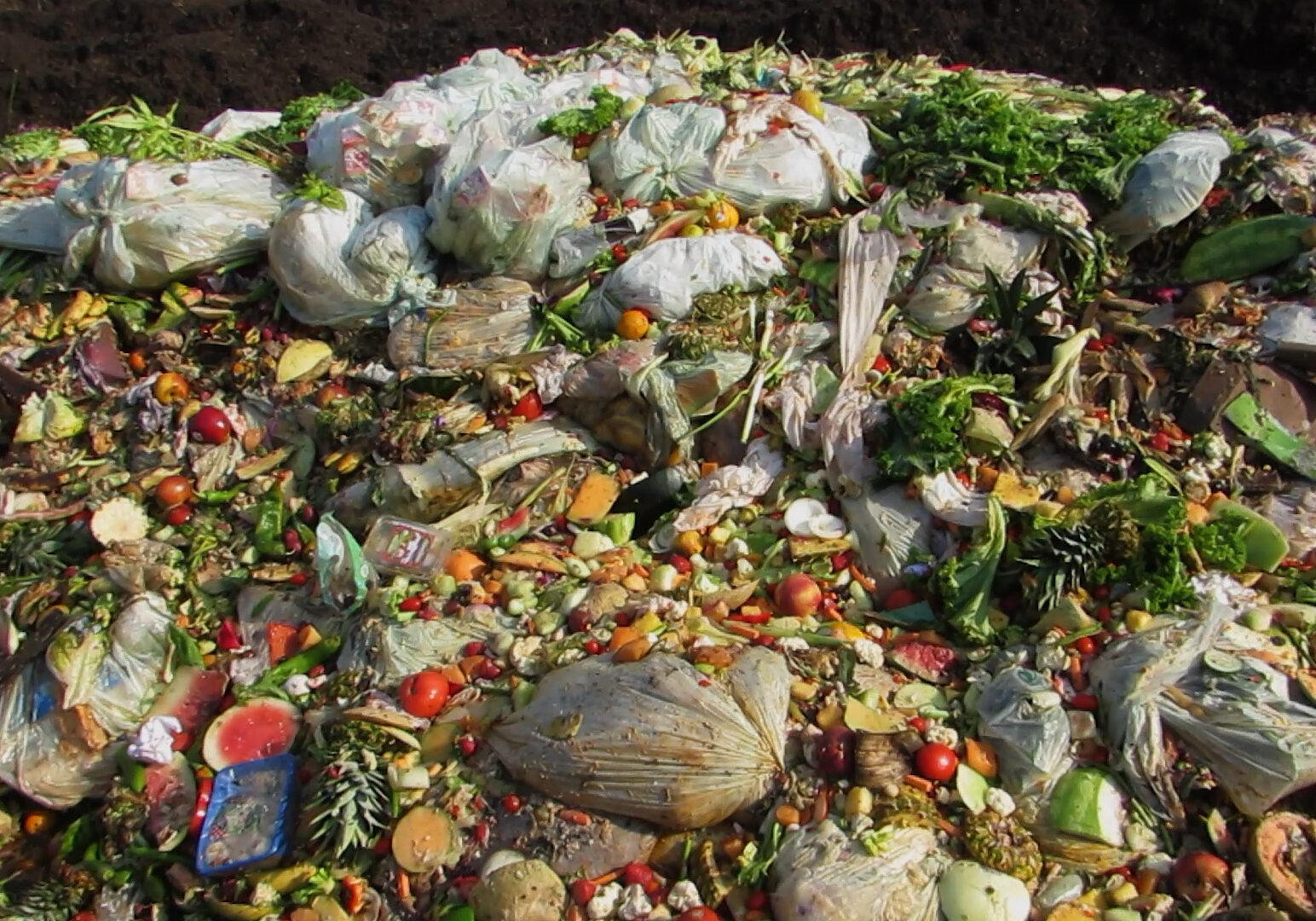
Ah, the holiday season. It’s the perfect time to be thankful, revel in holiday spirit, and waste even more food.
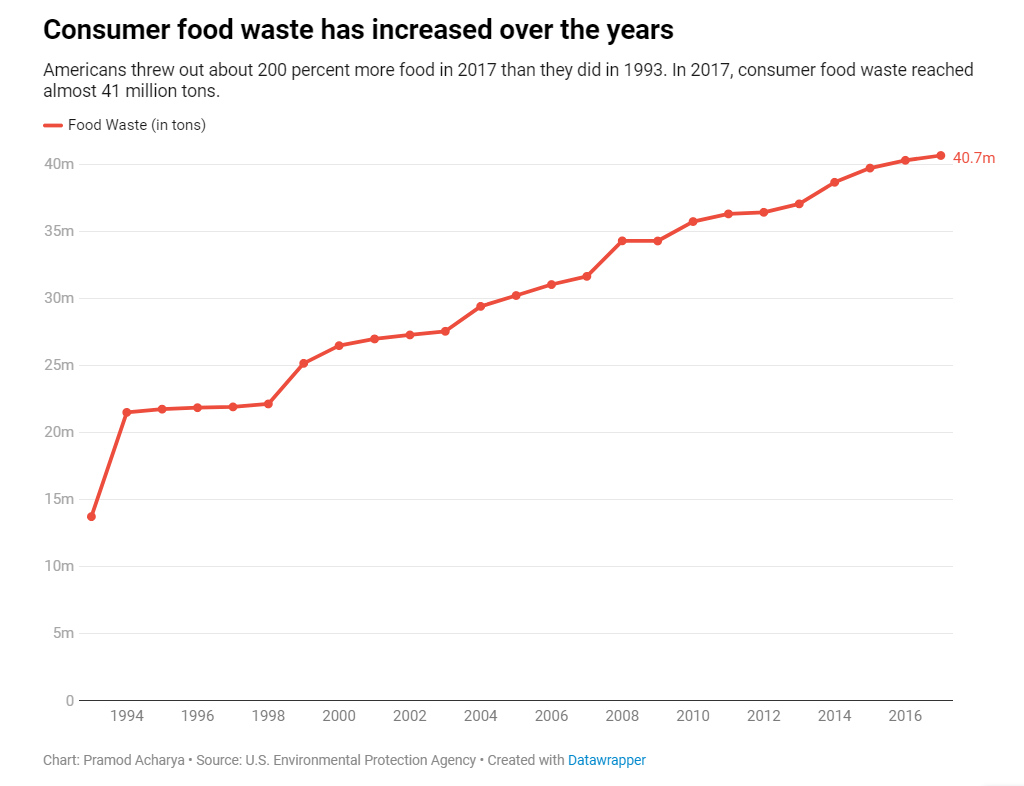
Americans are really good at wasting food. In fact, we’re wasting more with every passing year.
In 1993, Americans wasted 13.7 million tons of food, according to the Environmental Protection Agency. By 2017, we wasted around 41 million tons of food.
We waste food at every link in the food chain. Some blame lies with inefficient farmers and food processors. Consumers often buy more food than they need, and it ends up being forgotten in our giant refrigerators. Even restaurants generate vast piles of scraps.
Add it all up, and enormous amounts of food simply ends up in the trash, where it becomes one of the biggest sources of methane in our atmosphere.
Ideally, we would stop wasting so much food. But there will always be food scraps from vegetable and fruit peels, to spoiled meat and dairy products. (Watch the attached video to learn more.)
Composting Options
Many local commercial organizations have gotten on board with composting through Missouri Organic Recycling. Individuals also have a few options to convert food waste into plant-loving compost for your garden, yard or commercial use.
There is a growing curbside composting program, Compost Collective KC, which does curbside composting weekly ($30 a month) or bi-weekly ($20 a month) depending on your needs. They also have a bin swap program where you purchase a bin for $10, fill it up, and swap it out for a new one at one of their bin swap locations for $6 each time.
There are a couple free options, as well.
You can do it yourself right in your own backyard! Feel free to contact Missouri Organic Recycling and ask for Stan Slaughter, who can assist you. There are also resources on their website to help you get started on your composting and garden adventure.
Another option is to take your waste to Urbavore Urban Farm, and empty your food waste into the large black trailer in their parking lot. Learn more here.
There is also an app you can download on your phone, ShareWaste, that will connect you and your food waste with nearby home composters who would love to have it!
Reading these stories is free, but telling them is not. Start your monthly gift now to support Flatland’s community-focused reporting.
Related Stories
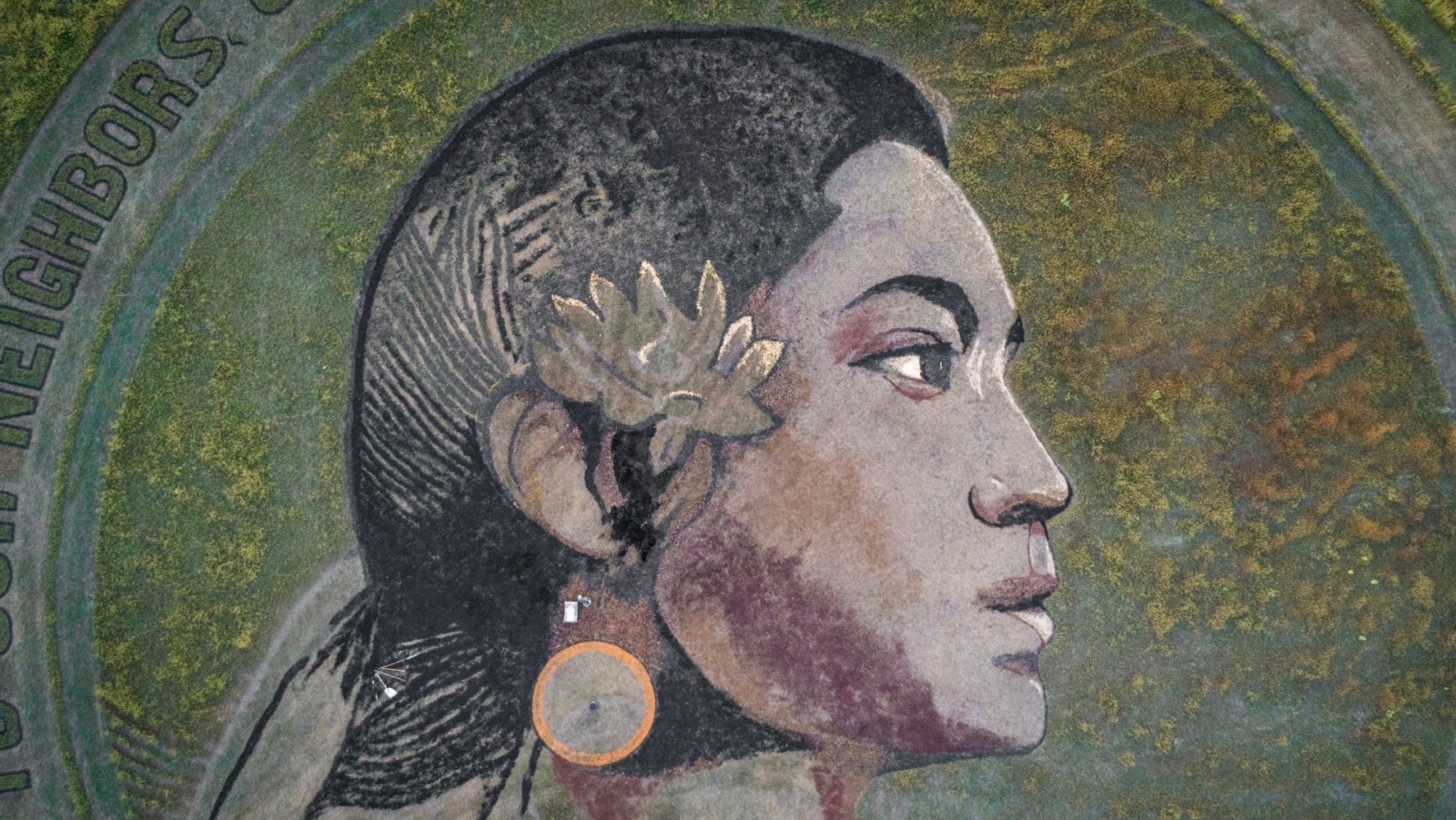
Area crop artist’s latest work celebrates U.S.-Mexico ties
Kansas soil, cleared of vegetation to reveal a rich brownish mauve, forms the indigenous woman’s skin. Sand, mulch, woodchips, and compost are layered and sculpted to form the rest of the portrait titled “Young Woman of Mexico.” Stan Herd has sculpted similar images for more than 30 years in places like Brazil, China, and Cuba….
Blue River Cleanup Targets Trash, Invasive Species
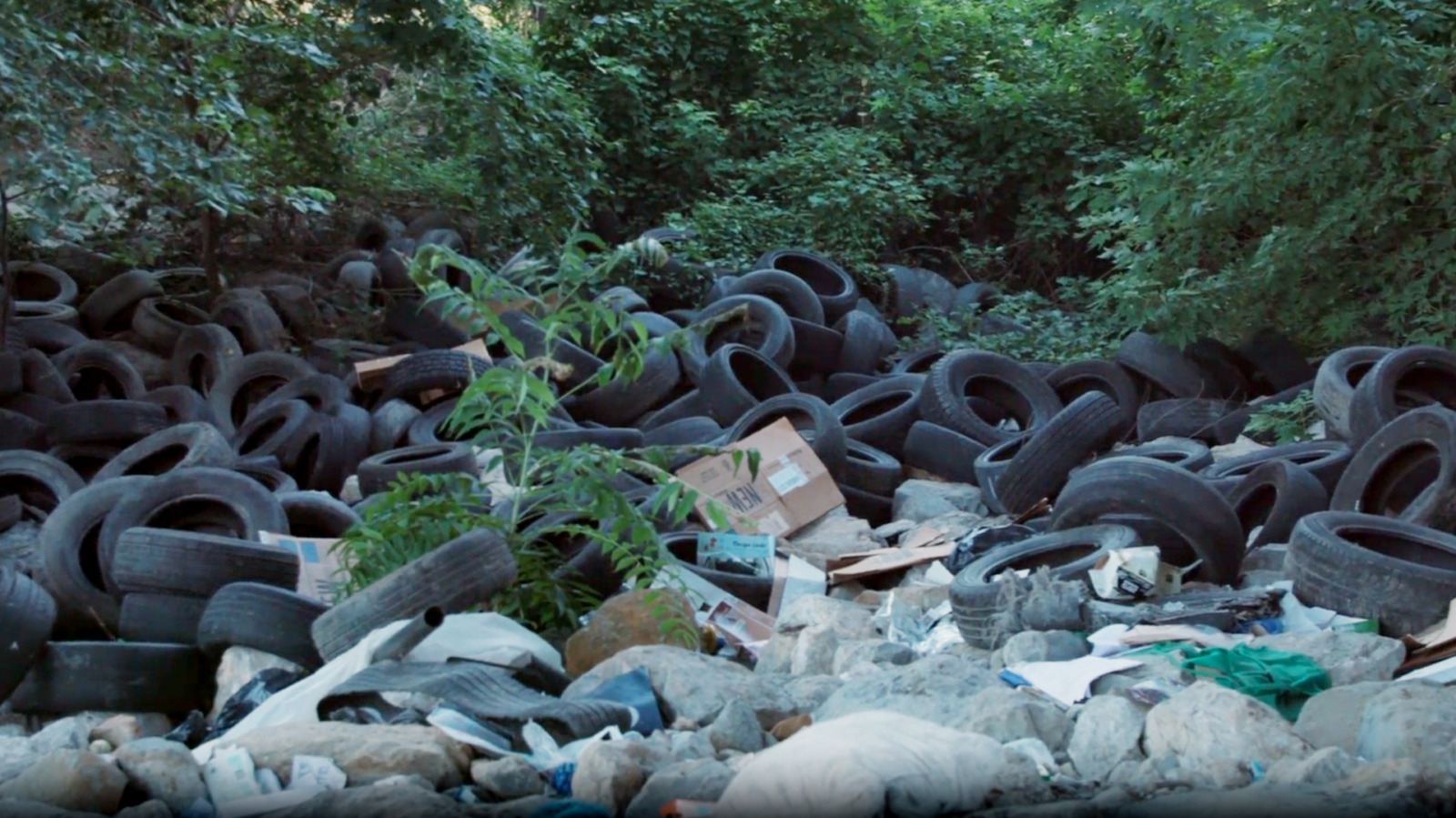
A restoration project is underway along the Blue River watershed, a collaborative effort by four nonprofit partners: The Heartland Conservation Alliance, Bridging The Gap, Deep Roots, and Mid-America Regional Council. The groups signed the contracts officially in May. “The day that we got our signed contract sent to us from the city kind of felt…
The End of the Pesticide Arms Race?
To spray or not to spray, that’s the question for farmers. Pests can be the make-or-break factor for a season’s harvest. Between 20% to 40% of global crop production is lost to pests annually, according to the Food and Agriculture Organization of the United Nations. Conventional chemical pesticides have traditionally addressed this challenge, but their…