
Dietary Guidelines Deliver Win for Midwest Meat Industry
January 10, 2016 | Kristofor Husted | 2 min read
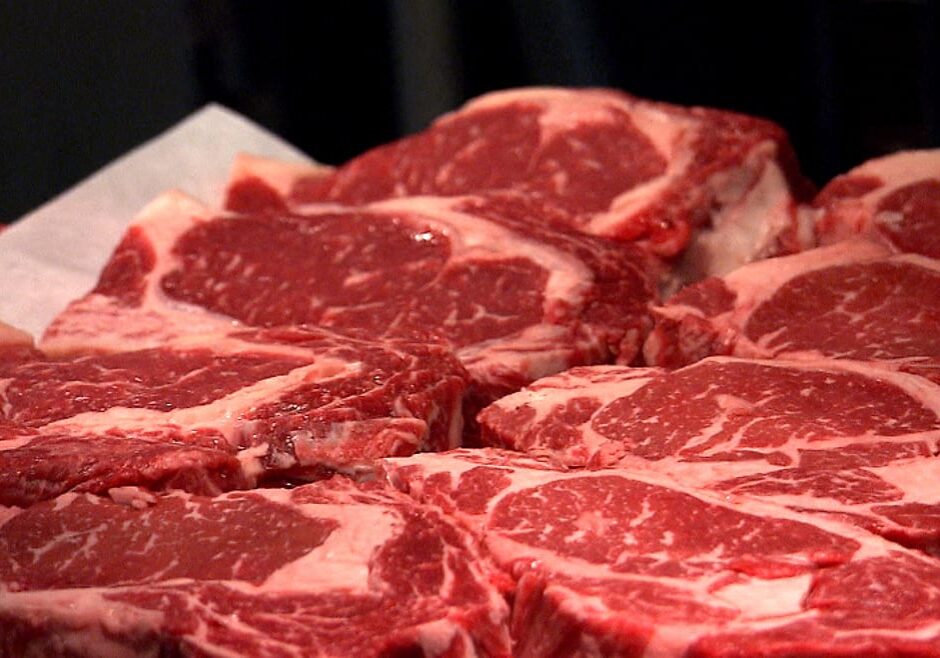
New federal guidelines for healthy eating announced Thursday do not urge Americans to eat less meat, delivering a big win to Midwest meat farmers and ranchers.
Initial recommendations by scientific advisors suggested Americans could be more environmentally friendly by cutting back on meat. Although the final version of the dietary guidelines issued every five years by the U.S. Departments of Agriculture and Health and Human Services propose teenage and adult men reduce their intake of protein, there is no specific request to eat less meat.
Environmental groups has hoped the recommendations would reinforce their campaigns to factor the environment into eating habits.
“There’s plenty of evidence that what happened was strong pushback from the meat industry, as well as allies in congress, for USDA not to do exactly what the science advisors had said,” said David Wallinga, the senior health officer at the Natural Resources Defense Council.
Meat industry groups like the National Cattlemen’s Beef Association maintain lean meat can be part of a healthy diet. Richard Thorpe, a Texas doctor and cattle rancher, defended the NCBA’s position in a press release.
“Numerous studies have shown positive benefits of lean beef in the diet, and I commonly encourage my patients to include beef in their diet to help them maintain a healthy weight and get the nutrients they need to be physically active,” Thorpe said.
Much of the dietary advice remains unchanged from 2010 recommendations.
One big change included in the guidelines: Americans are being told to cut down on their sugar intake.
— Harvest Public Media, based at KCUR 89.3, reports on farm and food issues in collaboration with public media stations across the Midwest. For more information, visit www.harvestpublicmedia.
Reading these stories is free, but telling them is not. Start your monthly gift now to support Flatland’s community-focused reporting.

Related Stories
As High-Tech Farms Take Hold, Can Farm Towns Hold On?
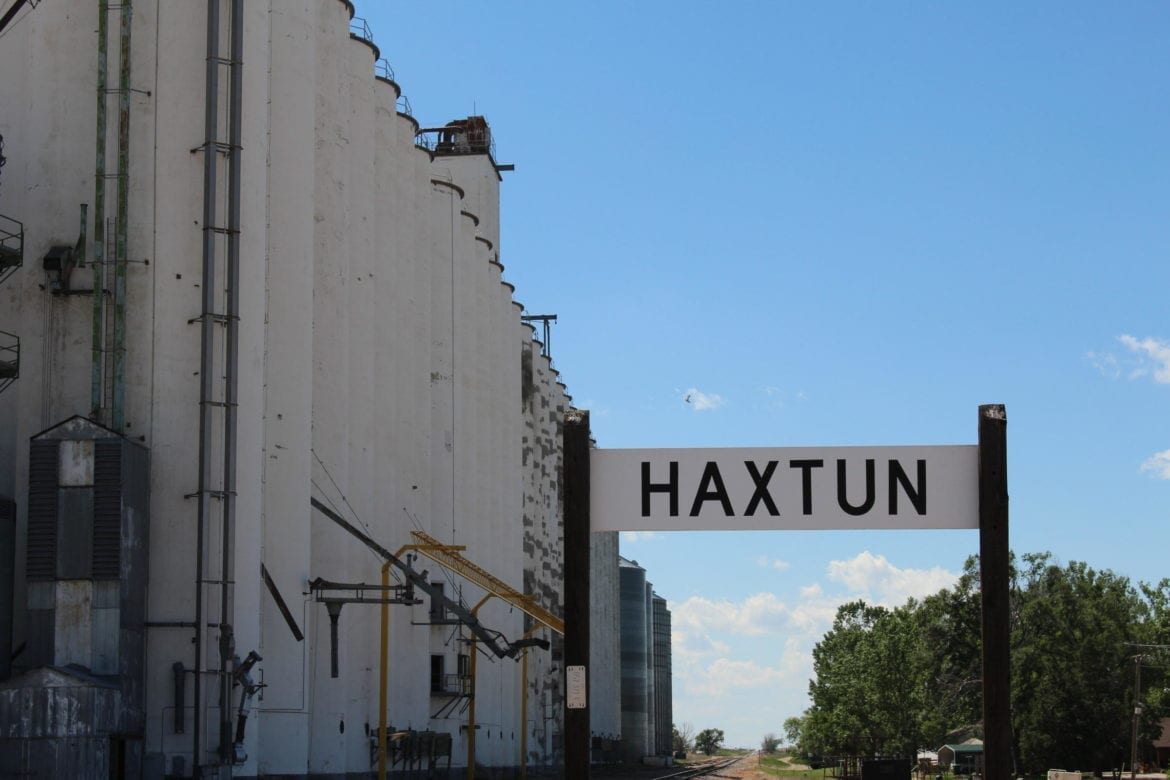
Brandon Biesemeier climbs up a small ladder into a John Deere sprayer, takes a seat in the enclosed cab, closes the door, and blocks out most of the machine’s loud engine hum. It is a familiar perch to the fourth-generation farmer on Colorado’s eastern plains. He turns onto a country road, heading south to spray…
Without Big Trade Deals, Missouri Farmers Worry They’ll Lose Out
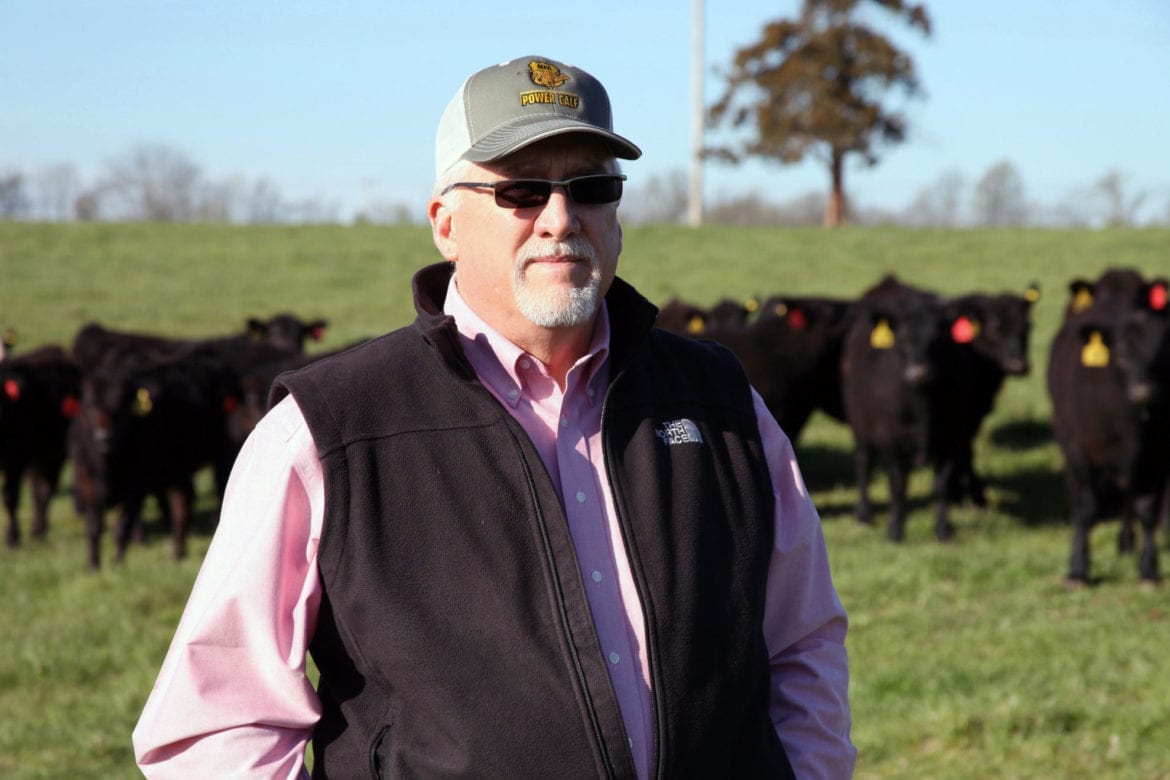
President Trump made campaign promises to pull the U.S. out of big international trade deals and focus instead on one-on-one agreements with other countries. But that has farmers worried they will lose some of the $135 billion in goods they sold overseas last year. Two years ago, Missouri rancher Mike John expected the U.S. beef…
Big Data Is Transforming How Scientists Create Better Seeds
This summer, in cornfields in Iowa and Nebraska, about a thousand small point-and-shoot digital cameras will be enclosed in waterproof cases, mounted on poles and attached to solar-powered battery chargers. They will take pictures every ten minutes as plants grow; all part of a plan to create better seeds. “We watch plants go through their…