
Personal Reflection | The Year My Hero Died Cast a Light on Mental Health
November 4, 2019 | Vicky Diaz-Camacho | 4 min read
For the past 30-plus years of my life, Dia de los Muertos (Day of the Dead) didn’t click with me. This year it does.
When my grandpa died this May, I didn’t immediately feel his absence in my life. But during the past five months, I have noticed that my small family’s backbone is gone. That recurring realization hits me in waves. He was the only father figure my sister and I had.
We miss his guttural, cackling laugh, his deep, booming voice, and the strange concoctions he made like Raisin Bran drenched in cafe con leche and cream cheese. The man was a treasure—a diamond in the rough. He wasn’t perfect but he was brilliant and resilient.
His story also inspired me to become a storyteller.
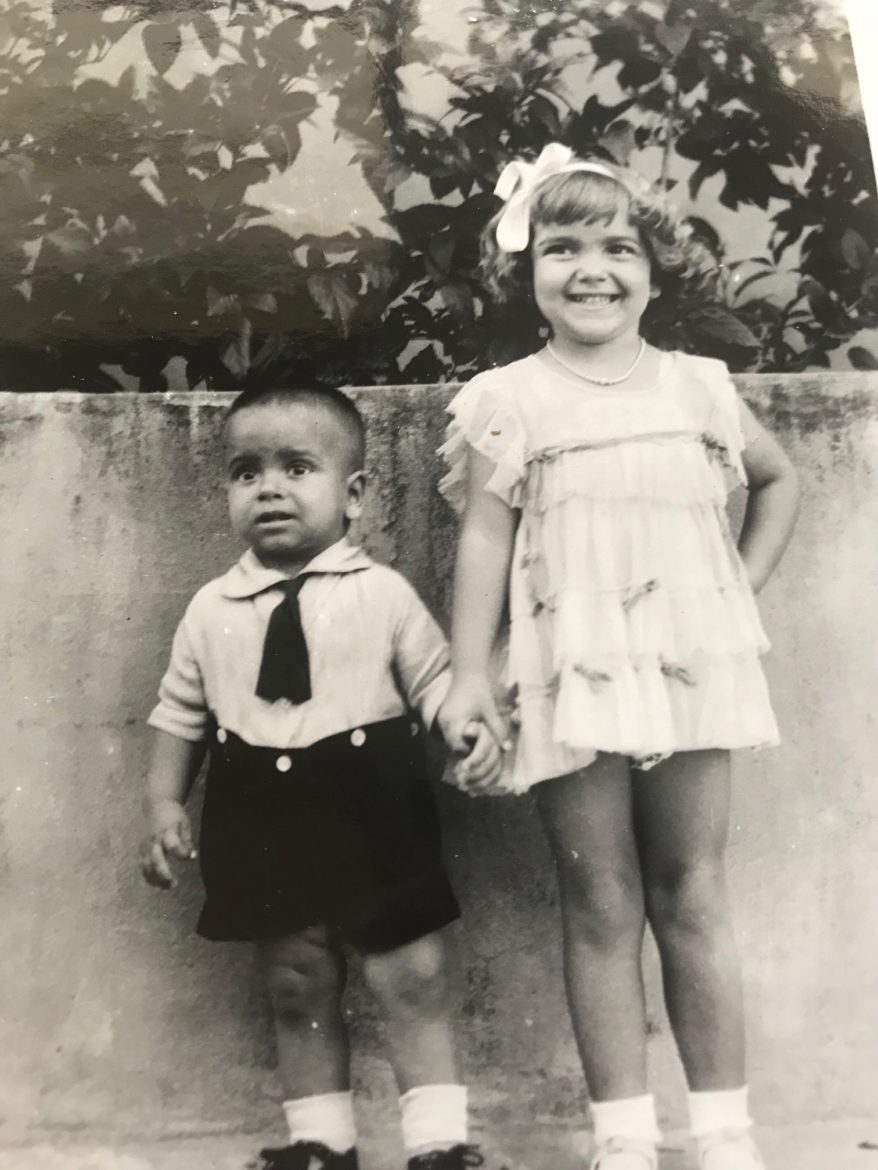
My grandpa, Fernando Luis Diaz-Ball, was born into a dysfunctional, impoverished family in Puerto Rico. His father had schizophrenia, and his older brother Puruco had severe epilepsy, which left him and his sister Enid to keep the house in order. They were the best of friends.
Though there were other siblings, Fernando and Enid were the only ones able to pick up the pieces for their parents. Fernando would mop up the blood spilled on the floor in the bathroom as Enid bandaged their father’s wrists. And when their brother had a grand mal seizure, Fernando rolled Puruco to one side and held his brother’s head. He was a caregiver at seven years old. That’s why he wanted to be a doctor, he often told me.
The way he overcame his traumatic childhood motivated me to power through my own dysfunctional childhood. We connected on that level and never shied away from talking about what hurt. He spoke candidly about his father’s many suicidal attempts, which helped me grapple with my mother’s mental illness and, as I’ve realized recently, my own mental health.
Fernando – I called him Nani – died before my 31st birthday. I got the call the minute I stepped on the plane returning to Kansas City after visiting him in an El Paso hospital. Soon thereafter, I sought help for the first time. I’m proud of the steps I’ve taken to find and consistently see a therapist. His absence merely amplified the need. The grief prompted me to write about him, which counseling experts say is healthy, and now I want to partake in traditions I used to only observe.
This is why Dia de los Muertos means so much more to me this year.
My memories with him are so vivid. He would always cheer me up and talk my ear off. He was my confidant.
Today I can’t call him to vent about how to navigate conversations with my mother, who is bipolar. And I can’t call him to share my latest accomplishments. This is when I really feel the weight of his death.
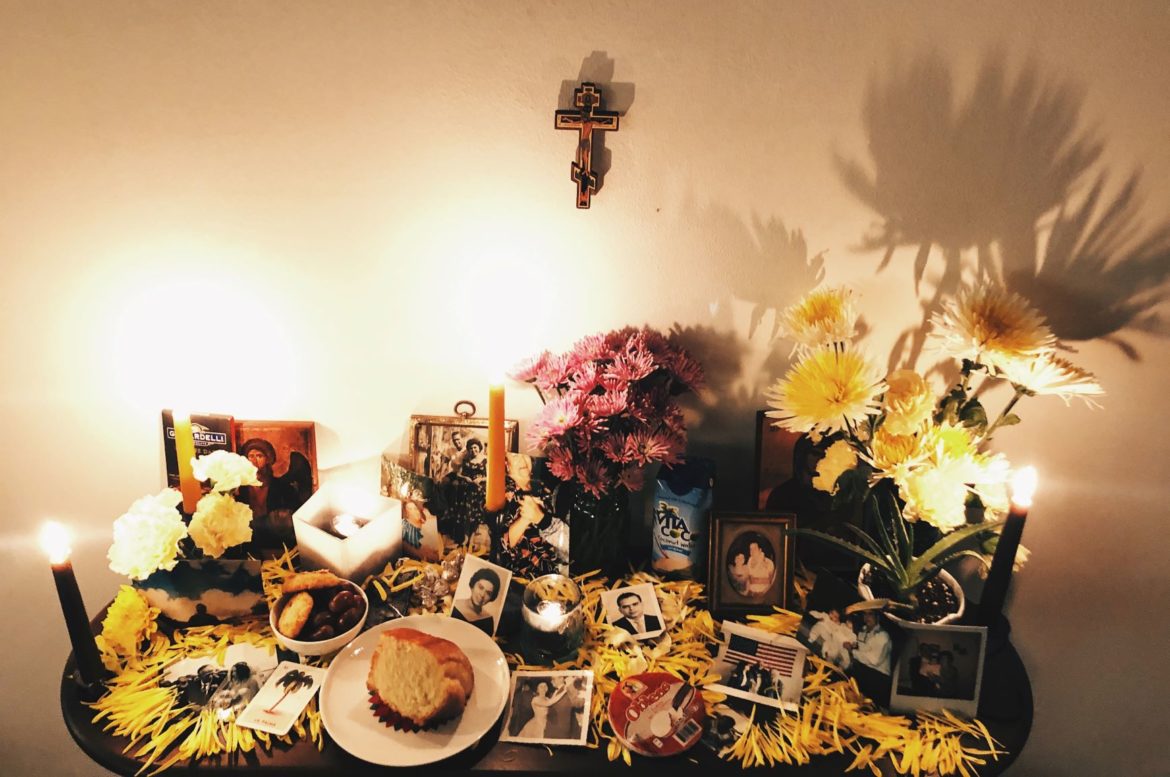
But with Dia de los Muertos – a Mexican tradition that spans three days remembering loved ones who have died – I can cook his favorite food, surround myself with his photos and play his favorite songs. We can reconnect.
There’s a dish he and I equally loved—pastelillos de queso, or cheese empanadas.
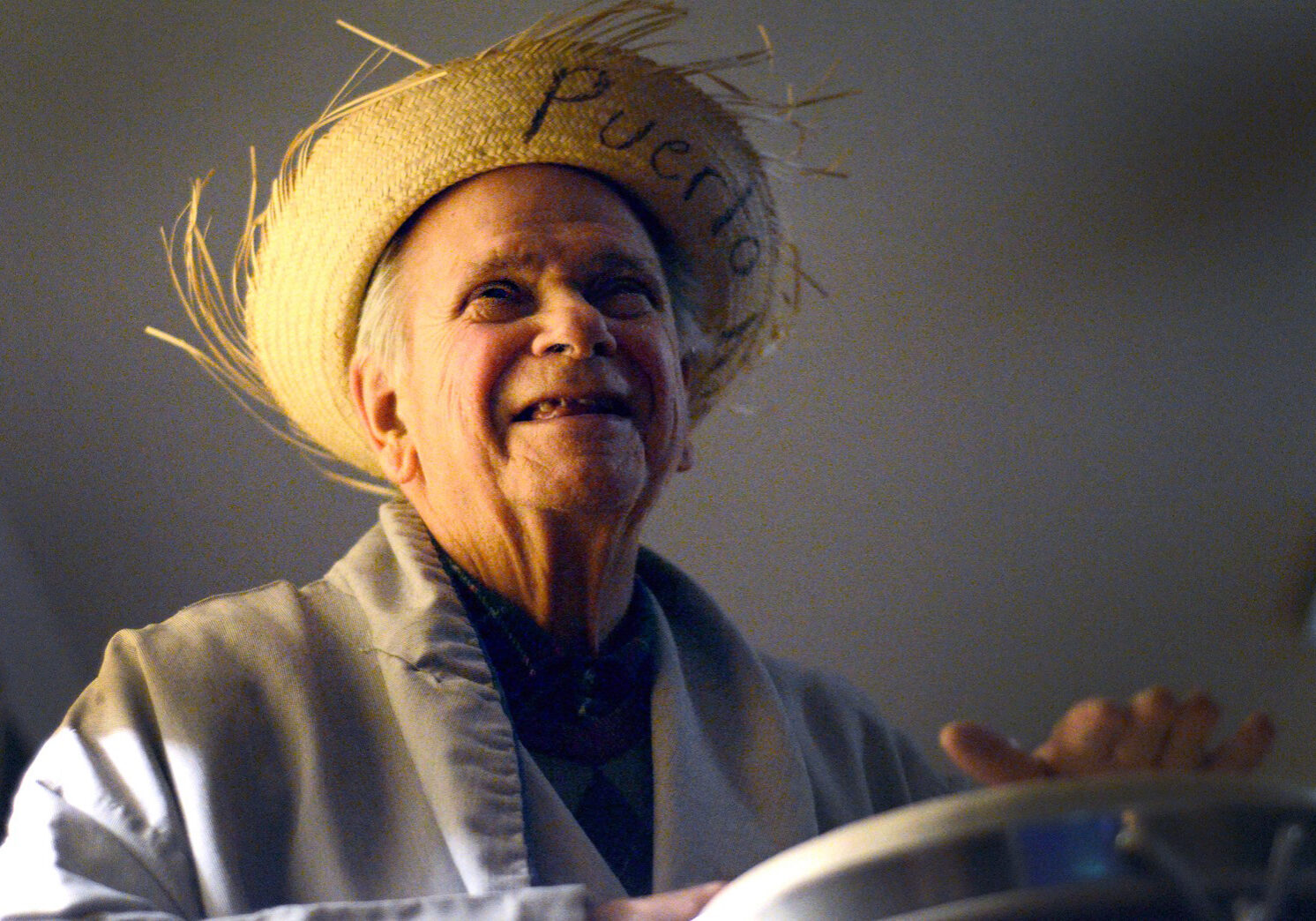
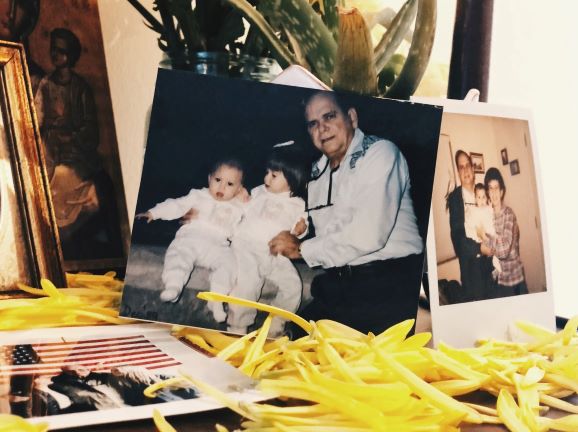
There are two photos I particularly love. One is of me as a baby on his belly. The other is one I took of his infectious smile and flushed cheeks as he played the congas in a straw hat with “Puerto Rico” painted on it. That one always makes me smile.
Finally, we reconnect through music. He was an amateur musician and often serenaded my grandma. But the song I dedicated to him in NPR Alt. Latino’s sonic altar, Sabor a Mi, always makes me cry because I visualize him dancing with my late grandma, Nana, in our kitchen at the house on Craigo Avenue in El Paso.
These exercises, though temporary, revive sensory associations I have of the man I long considered my hero. And for a moment this weekend, it was like he was sitting there with me again.
Reading these stories is free, but telling them is not. Start your monthly gift now to support Flatland’s community-focused reporting.
Related Stories
Kansas City Rabbis Feel Local Impact of Israel-Hamas War
Kansas City rabbis are grappling with the effects of the ongoing war in Gaza between Israel and Hamas and a surge of antisemitism.
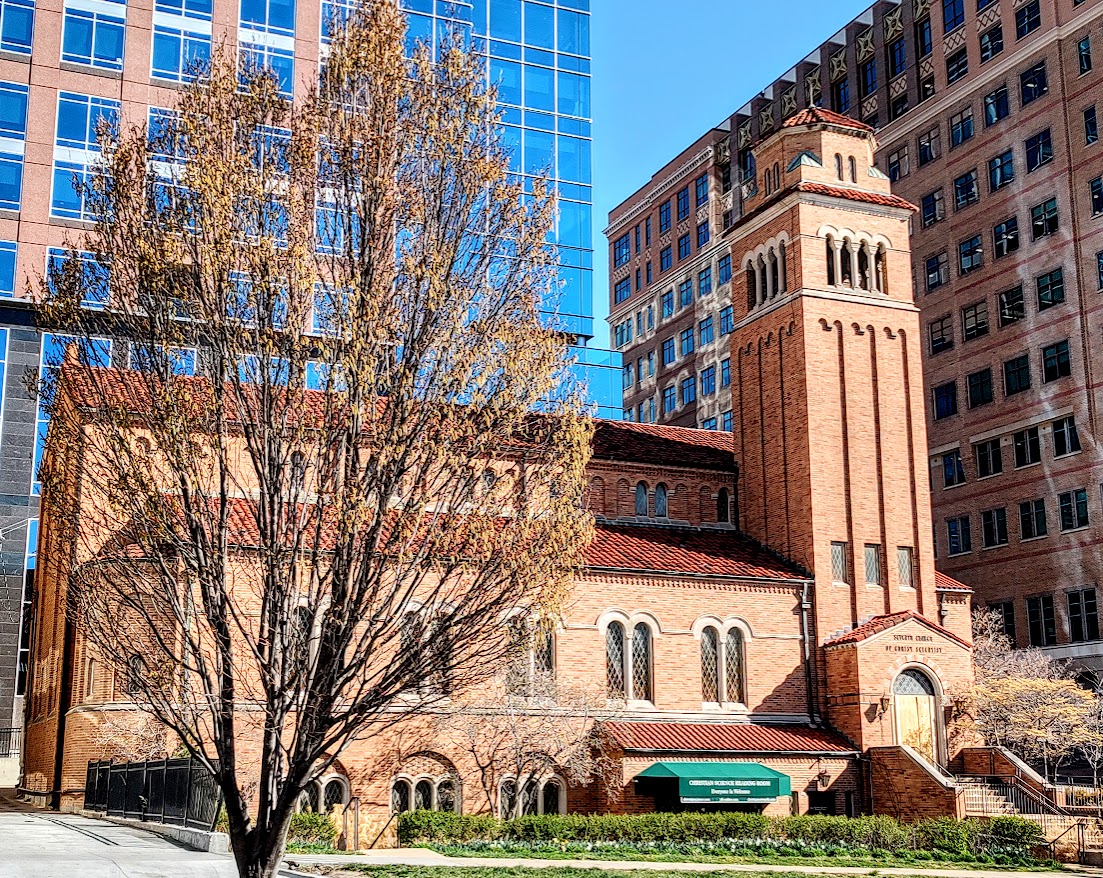
Houses of Worship Define the Landscape of Kansas City
Houses of worship have played a key role in shaping the landscape of Kansas City. It is a story of almost constant change.
‘False Certitude’ Defines Our Religion, and Our Politics
Institutional religion has set a pattern for the sad reality of political divisions among our citizens — encouraging a false certitude about what we believe.