
The murderously cruel attack on Israel by Hamas terrorists last Oct. 7 and the ensuing war and resurgent antisemitism have profoundly affected life for Jews and their rabbis in the Kansas City area.
Rabbi Stephanie Kramer of Congregation B’nai Jehudah puts it this way: “Everything has really shifted since Oct. 7. It is forefront on our minds as far as prayer, services, programming, pastoral care.”
Jonathan Rudnik, the community rabbi for Jewish Family Services, adds this: “Oct. 7 and everything that has unfolded since then has changed everything. For every individual Jewish person I know, it’s a nightmare. It’s a daily, even hourly ongoing trauma.”

And Rabbi Doug Alpert of Congregation Kol Ami says that “virtually every day now something comes up (related to the war). And if it’s a day when no one has physically approached me, then I’m reading the next article or set of articles.”
As I wrote recently in this Flatland column, clergy often are among the people who serve as first responders. In emergencies, they show up along with police, firefighters, physicians, paramedics and others to assess the needs of people and provide support to get them through various types of trauma.
Like many Jews around the world, Kansas City’s Jews have felt that the Hamas attack was aimed at them, too.
Since that day, of course, much has changed as Israel, in turn, has unleashed its military to try to destroy Hamas in Gaza, complicating matters there and abroad in ways that affect more than just Jewish people. The result is that priests, imams, pastors and other clergy members also have been called to respond in some way.
But it’s Kansas City’s rabbis who still feel and still respond to the effects of the initial shock and an appalling resurgence of antisemitism since then.
For example, Rabbi Mark Levin, the now-retired founding rabbi of Congregation Beth Torah, says that because of the Hamas-Israel war, “the narrative of Israel as a protector of the Jewish people, as David against Goliath, of the nation of the Little Engine that Could after the Six-Day War and Entebbe, is entirely gone. Not even Jews know the narrative, the origin story of Israel anymore. That’s a tragedy, and therefore people are confused. And the rising antisemitism has people scared, very scared.”
In fact, since the start of the war, the staff of the Midwest Center for Holocaust Education has been asked to give many more presentations about antisemitism and how to confront it than programs about the history of the Holocaust.

Rabbi Kramer has noted that same phenomenon in her synagogue: “We are pulling double time teaching antisemitism and how to combat it and we’re teaching Israeli history and Middle East history and all of those different pieces” in addition to basic Judaism.
The reality of resurgent antisemitism recently led Michael Zedek, former senior rabbi at Congregation B’nai Jehudah and now rabbi in residence at St. Paul School of Theology, to share with a gathering of that seminary’s faculty, staff and students a story that he says “offers the only path out of the mess that is destroying the hope for any kind of peace in that part of the world. When (Egyptian President Anwar) Sadat made his precedent-breaking (1977) flight from Cairo to Jerusalem, (former Israeli Prime Minister) Golda Meier was among the dignitaries to meet him at the airport. She purportedly said to him, ‘Why did you decide to come?’ He responded, ‘I decided to love my children more than I hated yours.’
“That,” says Zedek, “has been my guide throughout this horrifying mess because there will be no change until that becomes the heart embrace of all the combatants.”
By contrast, a rabbi with an uplifting story to tell amid all this is Jacques Cukierkorn of Temple Israel of Greater Kansas City. He says he got a surprising recent phone call from a man he didn’t know who said, “Hi, Rabbi. I’m just calling to let you know that we love you and support you.”

But Cukierkorn also described how a different man “called me and said: ‘Do you guys have guns? Are you good at shooting?’ I wondered if this was a guy who wanted to know if he could come shoot people in my synagogue or a guy who is trying to offer help. He said, ‘I want to help. I could teach you how to shoot. I’m happy to take you to a shooting range.’ I quickly answered, ‘No, no. We’re good.’” And ended the call.
The recent protests on various college campuses have received much attention from area Jews and, thus, also from their rabbis.
“It’s on everyone’s mind,” says Rabbi Kramer. “People are outraged, upset, disappointed in biased media. I absolutely think it has colored people’s decision about where their kids are going to school next year.”
It should surprise no one that there’s disagreement about all of this among area Jews.
As Alpert notes: “One of the sad pieces is how it has divided people within the Jewish community. There are some who are on the side of Israel in that once Hamas attacked Israel on Oct. 7, every counteraction is justifiable until Hamas is eradicated — as much as I think that’s an impossible task. And if you believe Hamas could be eliminated, is (Israeli Prime Minister Benjamin) Netanyahu the guy you want winning your war?”
One of the inevitable questions for all clergy is who ministers to them. For Rudnick, that’s a pressing issue because his regular rabbinical work has been complicated not only by the Hamas-Israel war but also by a difficult illness in his family.
So he says that along with the biblical idea that his help comes from God, he also relies on individual therapy, a weekly Alanon meeting, an online weekly meeting of other clergy who support one another and the support he gets from a chaplaincy group of which he’s part.
“I don’t know how I function day to day,” he says, “but part of it is those four pillars.”
There’s no international news story that doesn’t become local. So Kansas City’s Jewish community and its rabbis are among the people with ties to the Middle East (along with area Arabs, Muslims, Palestinians and others) who have been dragged into this despicable war. They are trying to work through it, but it has profoundly complicated their lives and ministries.
Bill Tammeus, an award-winning columnist formerly with The Kansas City Star, writes the “Faith Matters” blog for The Star’s website, book reviews for The National Catholic Reporter and for The Presbyterian Outlook. His latest book is “Love, Loss and Endurance: A 9/11 Story of Resilience and Hope in an Age of Anxiety.” Email him at wtammeus@gmail.com.
Reading these stories is free, but telling them is not. Start your monthly gift now to support Flatland’s community-focused reporting.

Related Stories
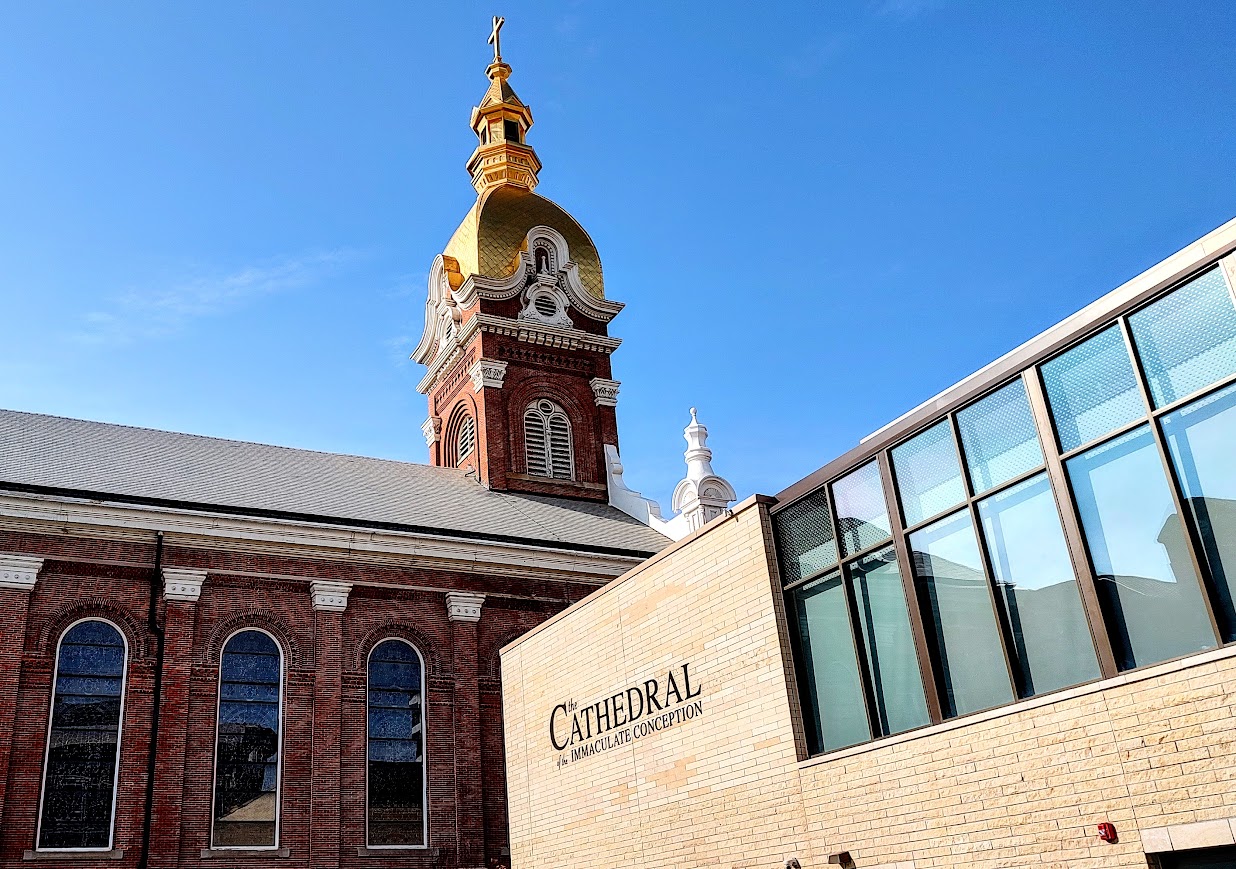
Downtown KC Renaissance Seeds Congregations
As civic, commercial and residential life has blossomed in Kansas City’s Downtown in recent years, religious life has grown there, too. But that doesn’t mean it’s been easy for newly planted Downtown faith communities to flourish. “It’s been tougher in one sense than we thought it would be,” says the Rev. Troy Campbell, pastor of…
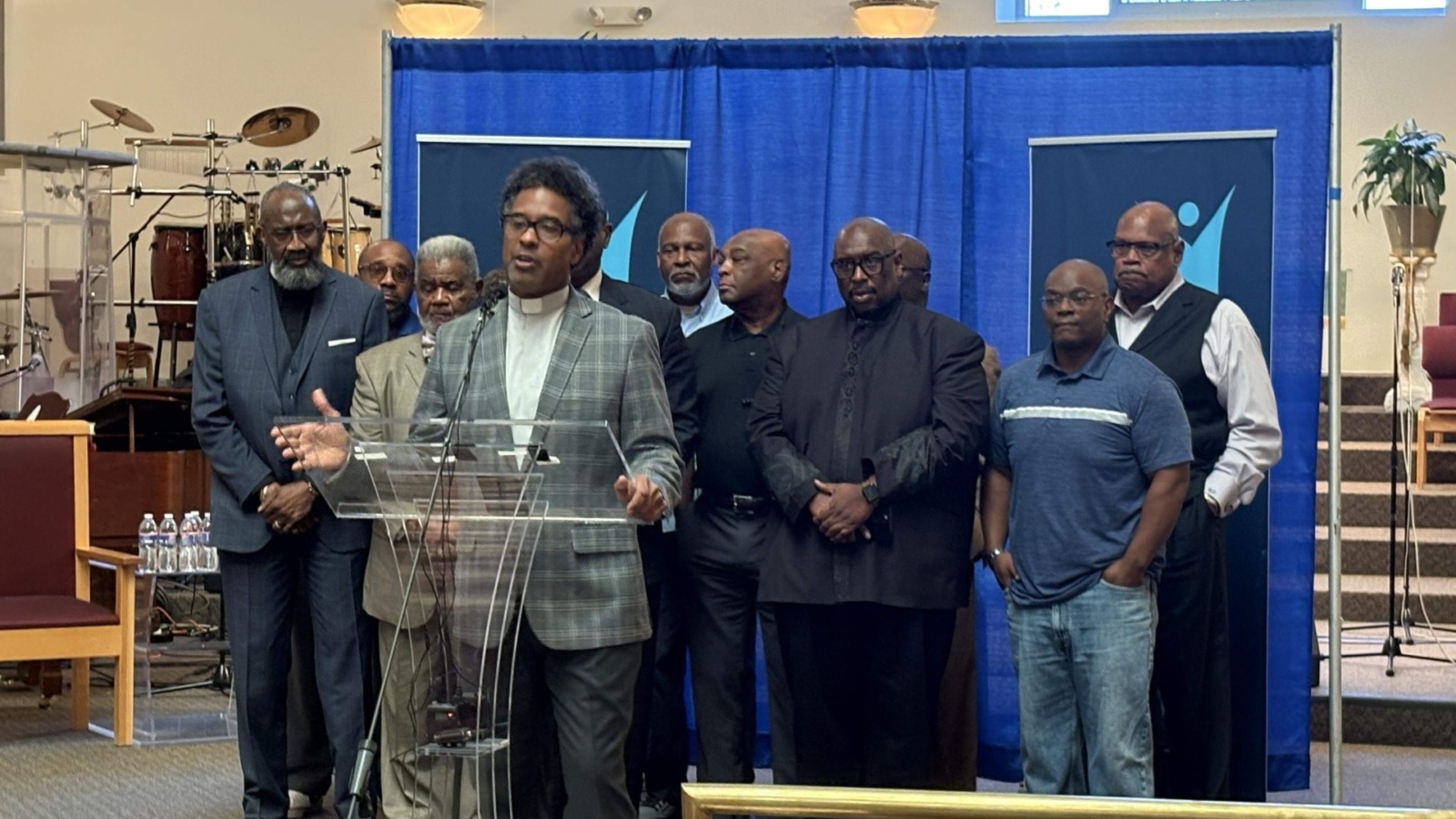
Taking ‘Bold Political Stances’ To Fight Injustices
It didn’t take long for the new Greater Kansas City Pastors Association to spring into action. As The Kansas City Star reported in early September, just one “day after thousands of people descended on the Missouri Capitol to demonstrate their outrage over congressional maps aimed at minimizing Kansas City’s voting power,” the new pastors’ group…
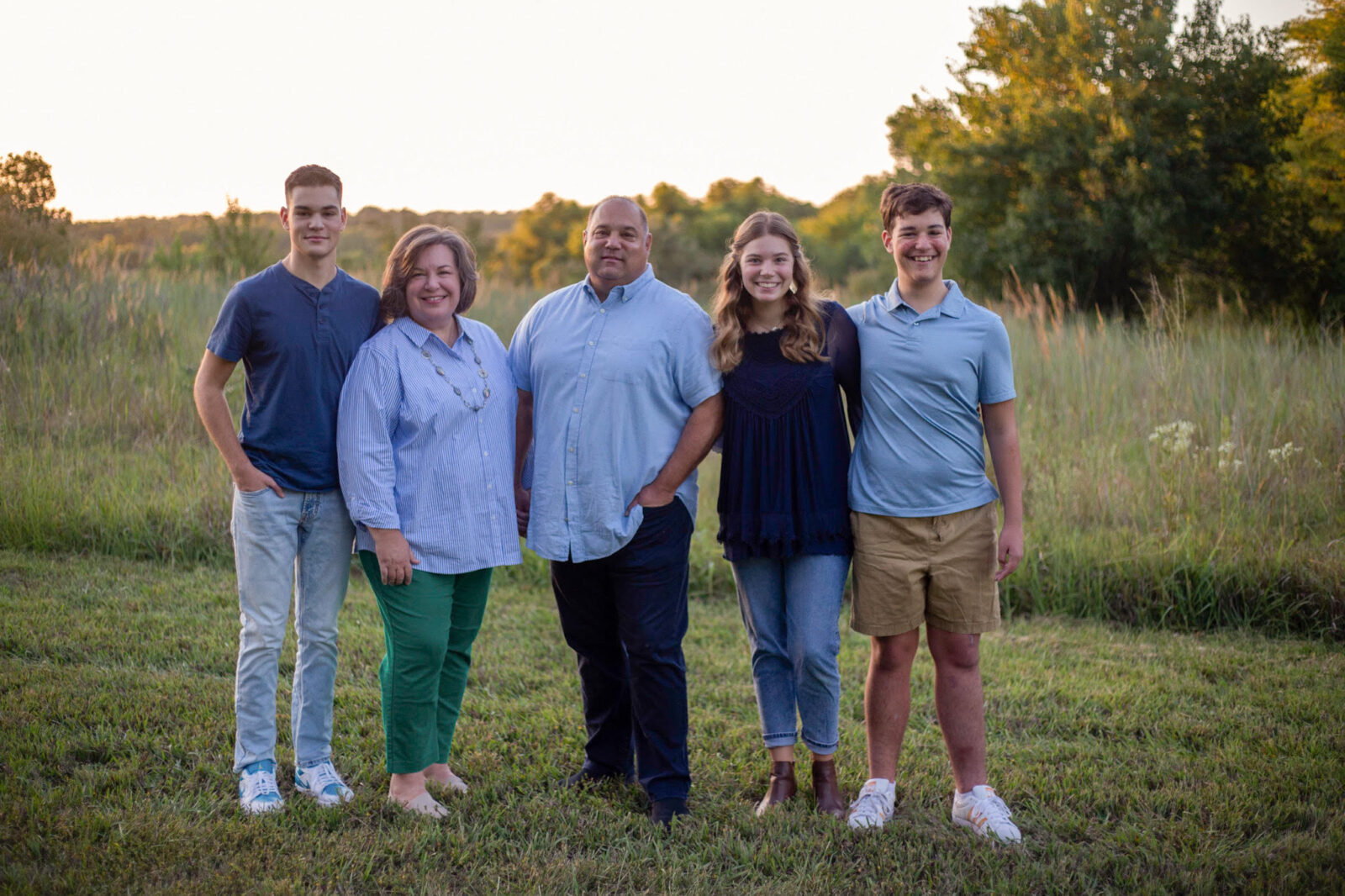
Ministering to Children With Disabilities
When Michael Palacio was born 18 years ago this month, he was diagnosed with a rare genetic disorder, tuberous sclerosis, which causes epilepsy and autism. And Michael now has both. As his parents began to respond to Michael’s needs — and continue to parent Michael’s two older siblings — one issue that arose quickly was…