
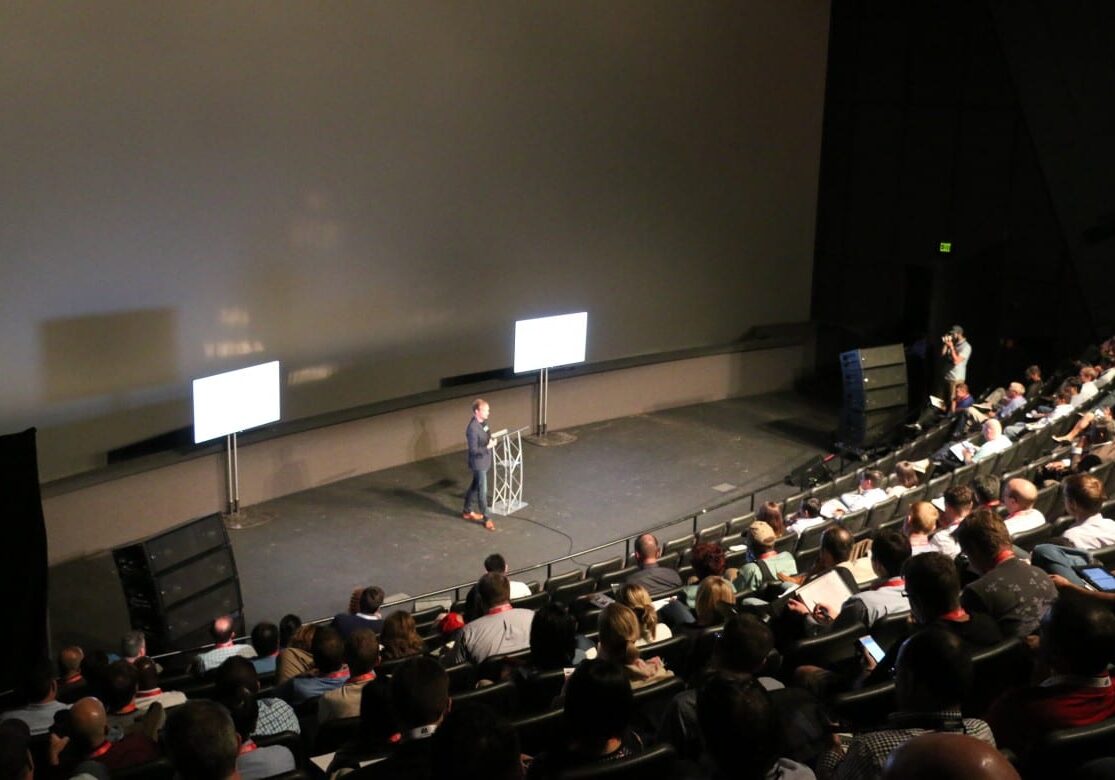
As Techweek at Union Station in Kansas City, continues, the Big Data Summit began its series of lectures Wednesday morning discussing the next breakthrough in technology: healthcare.
“The Big Data Summit is not just about the cool new app, it is not just about a new wearable technology,” said Don Peterson, emcee of the Big Data Summit and CEO of Infusion Express. “It is really about designing treatments specific to the individual that can have the greatest impact on their health and well-being. That is the goal,” he said.
Infusion Express is a Kansas City infusion center that provides intravenous drug therapy for people with chronic conditions, like crohn’s disease, and multiple sclerosis.
Peterson is also the founder of the Big Data Meetup Group in Kansas City. With close to 800 members, it is probably the largest big data group in the country per capita, he said.
The term “big data” is used to describe an immense amount of both structured and unstructured data that is so vast it is nearly impossible to process or analyze using traditional database or software techniques.
Companies like Intel, IBM, and Cerner are developing systems that can handle the massive volume of information, like the healthcare system, and help doctors make better recommendations for their patients.
The Big Data Summit aimed to suggest that population health statistics, if analyzed properly, can inform doctors about what treatments are most effective, and what treatments are not.
“Today, most healthcare operates on anecdotal evidence, rather than hard data. And that is what big data is all about for healthcare–moving from anecdotal information to real experiential knowledge based on the population we have seen with similar or like conditions,” Peterson said.
Peterson explained that instead of a person’s physician giving their best guess on a particular condition, they will soon rely on big data for their diagnosis.
“Your particular makeup determines how things work, he said. “And unless doctors know that, they are only guessing. How many times has your doctor said, ‘Let’s try this, or let’s try that,’ but wouldn’t it be great if your doctor said, ‘Well, based on your makeup, this is what you need. And it has had an 87% success rate with people just like you (for example),” Peterson said.
[FLEX-CONTENT]
The summit began with Dr. Bob Roberts from Intel, who spoke of Intel’s efforts to better the healthcare system through the use of a new big data analytical system that can read through, organize, and evaluate patient forms and doctors handwritten notes. The system can then compile them into a large library, while simultaneously creating a personalized profile for individual patients’ health history.
“Using a text mining approach proved invaluable,” Roberts said from the Sprint Center Stage at Union Station to a few hundred people. “We have used big data to fill in the gaps to help us optimize health care across a huge health care system,” he said.
Following the event, Peterson said he was proud of how far Kansas City had come in the big data industry.
“Three years ago, we started doing these annual events as a result of large corporations who are involved in the big data technology space saying, ‘Hey that is a great audience there in Kansas City, can we be more involved?’ Companies like Cloudera, Intel, IBM–them coming here together and opening the event is just staggering.”
Staggering, but not the least bit surprising.
“That was what this morning was all about, to showcase that we are not just some backwater here. We have smart people doing incredibly innovative things in Kansas City,” he said.
The Big Data Summit series of lectures continues through Thursday at Union Station.
Reading these stories is free, but telling them is not. Start your monthly gift now to support Flatland’s community-focused reporting.
Related Stories

KC’s Connection to the Heavens: Webb Telescope Images Trigger Elation
As pictures from the James Webb Space Telescope (JWST) popped up Tuesday in front of astronomers and space lovers in mid-America, their ecstasy bubbled over – prompted by new knowledge captured in the hauntingly beautiful images.
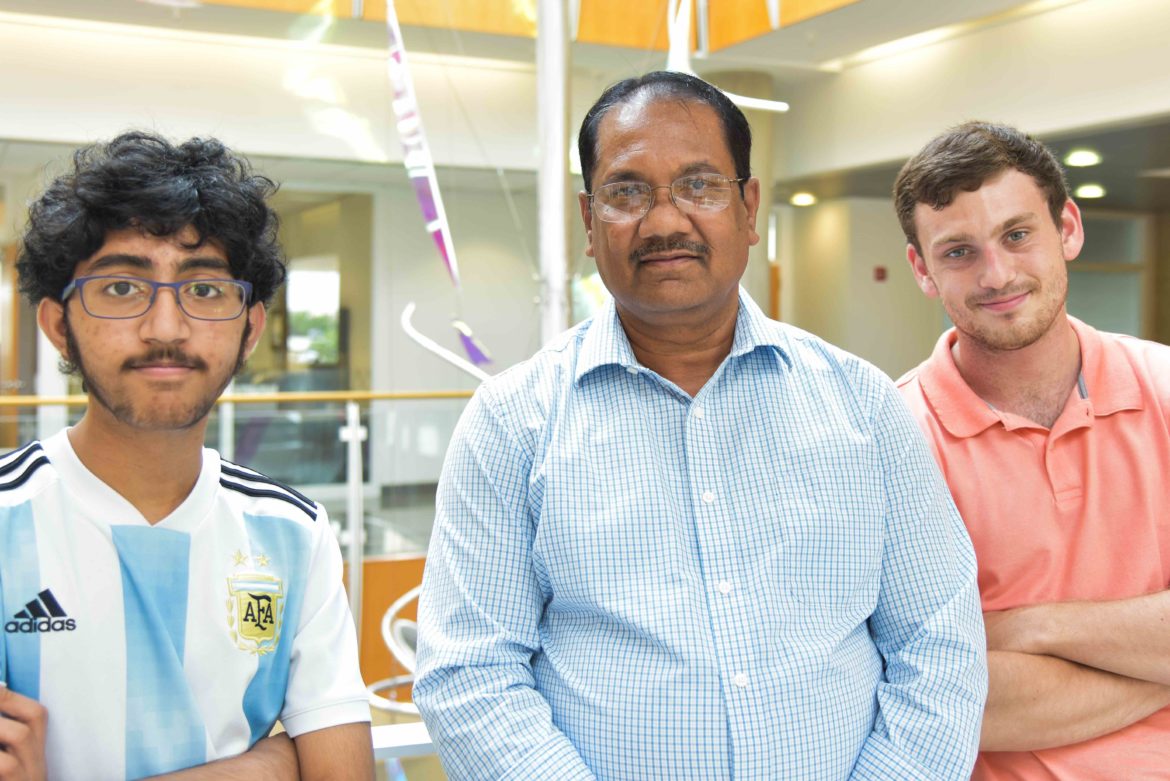
MU Professor, High Schooler and Undergraduate Mathematician Lead the Research on Variants
At MU, a veteran scientist, high schooler and undergraduate student identified 46 mutations of the omicron variant.
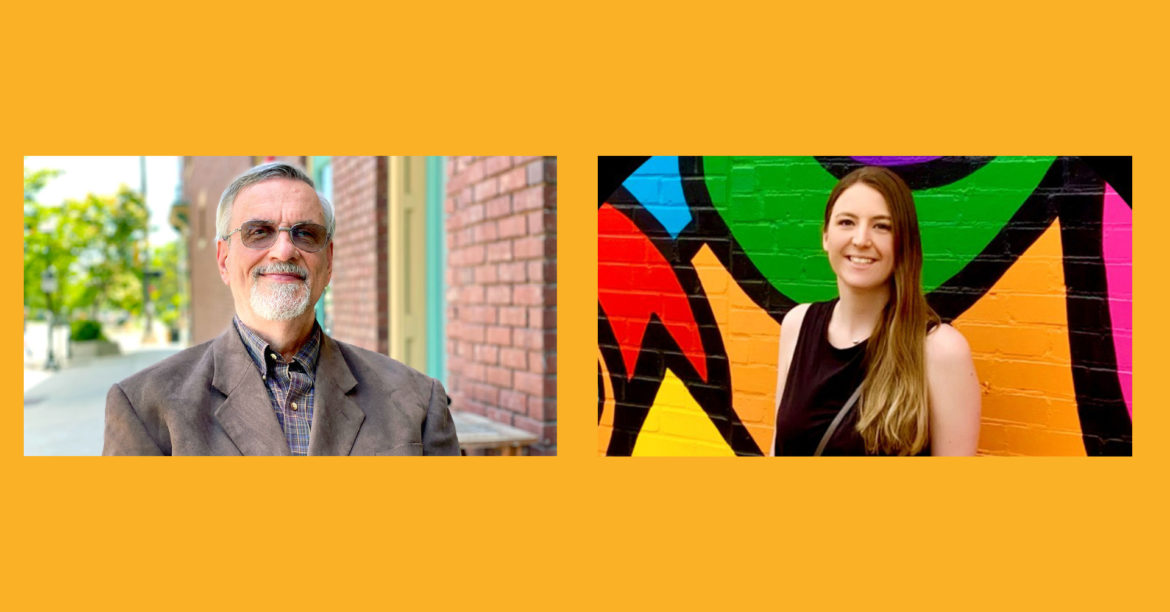
Meet 2 Scientists From KC Who Worked on COVID-19 Vaccines
Meet and learn from two of the scientists from the Kansas City area who worked first-hand in creating the vaccine to combat COVID-19.