
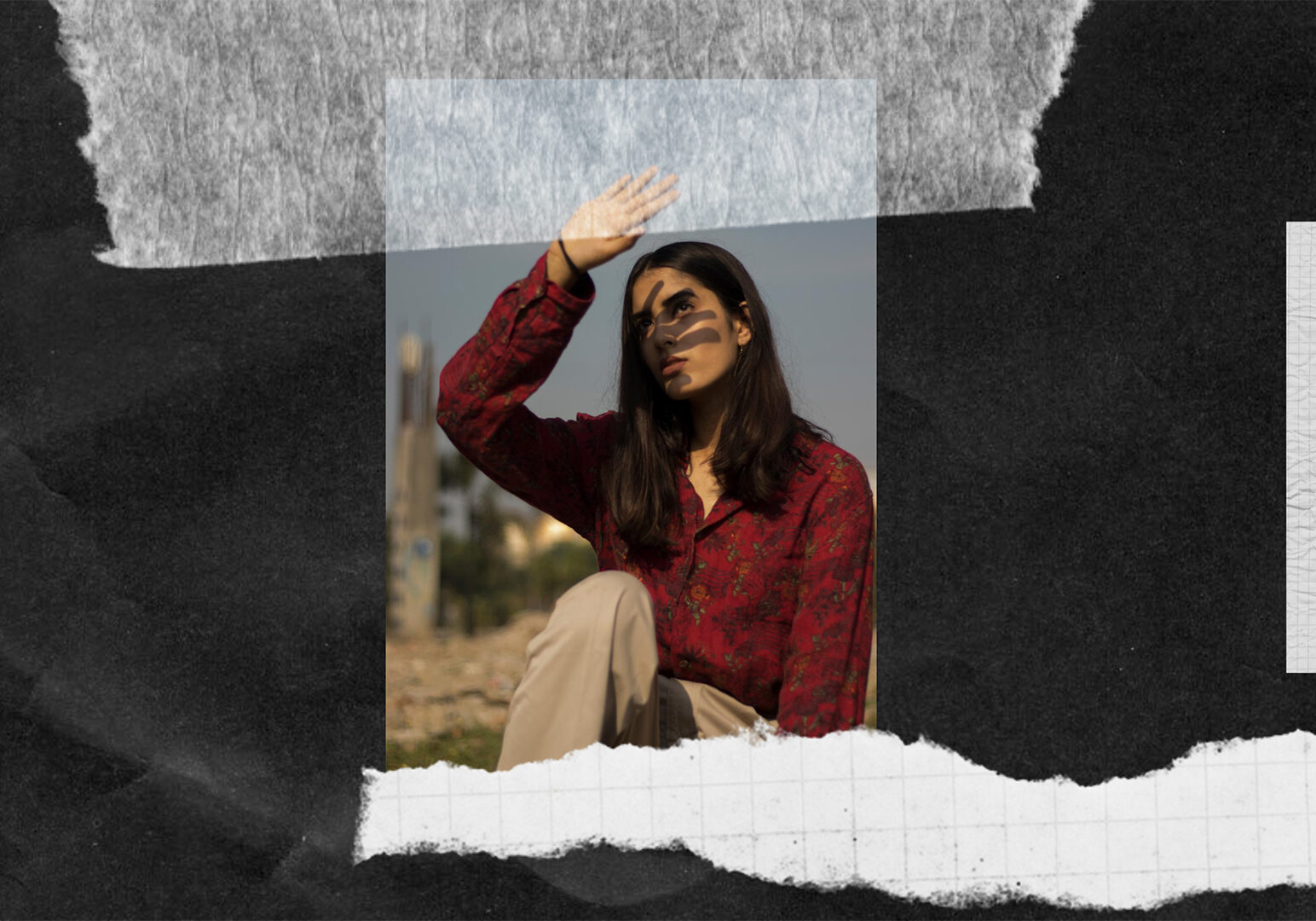
The Filter Ep. 6 | ‘Melanin’
July 29, 2020 | | 3 min read
Race has been even more top of mind lately. But there’s a little-discussed aspect to the conversation of race. Colorism and featurism are forms of discrimination that affect folks in all racial and ethnic groups, solely based on a person’s shade of skin tone and facial features.
Such discrimination lurks in the background of protests around the world, minority journalists spilling the tea on Twitter about racial inequity in newsrooms and discussions on the racist history that shaped our culture and institutions.
Colorism and featurism can affect relationships we have with our families, friendships, coworkers and, well, just about everyone. They also affect an individual’s success in school or the workplace because implicit biases based on skin tone or certain features can influence who gets a promotion or a raise. They can even affect behavioral and mental health outcomes.
In the 1950s, psychologists Mamie Clark and her husband Kenneth Clark conducted an experiment to measure the psychological effects of segregation with a group of children using two dolls, one Black with brown eyes and one White with blue eyes. Both Black and White children pointed to the White doll when asked, “Which doll is pretty?” or “Which doll is good?” Their research was later used in Brown v. Board of Education to overturn segregation in the ‘50s.
Where else does colorism or featurism manifest?
They are rife in popular culture. For instance, almost all Disney princesses have Euro-centric features — small noses and wide eyes. Another example is how lighter-skinned actors, even those in minority communities, often snag lead roles in films or shows versus their darker-skinned peers.

Here are just a few examples. “Martin,” a sitcom from the 1990s, cast the lighter-skinned character Gina as the love interest, and the darker-skinned Pam played the goofy best friend. The Netflix telenovela “La Casa de las Flores” only shows light-skinned Mexican actors. And it’s evident in the new “Indian Matchmaking” show on Netflix where being “fair skinned” is praised.
The Filter is here to talk about the personal implications of colorism and featurism and what experts know about the science behind this kind of discrimination.
In this episode, we tap an expert on the subject, Antoinette Landor, a social science professor at the University of Missouri. Then we get personal with special guest and Kansas City PBS summer intern Mawa Iqbal, whose parents are from Pakistan.
We bare all in this season finale, so sip your tea, coffee, beer or wine and hang with us.
Production credits: Jacob Douglas, Bryan Truta, Chris Cosgrove and Felicia Diaz contributed to this episode.

Reading these stories is free, but telling them is not. Start your monthly gift now to support Flatland’s community-focused reporting.

Related Stories

Nick’s Picks | Roads, Bathrooms, Costco and More …
New Toll Road Opens Kansas City’s first toll road opens this week. Starting Saturday, you’ll pay up to $3.50 to travel the new express lanes on U.S. Highway 69 from 103rd to 151st streets in Overland Park. There are no toll booths — cameras scan your license plate, and a bill arrives by mail. KTAG…
Up From the Ashes: Warwick Theatre Revival Draws Applause
Two years ago, John Cleary met a fellow Kansas City actor for drinks. Their conversation centered on the fate of the Metropolitan Ensemble Theatre. A large portion of the ensemble’s home, the Warwick Theatre, was ash, charred timbers and soot-saturated costumes and props — remnants from a recent massive fire. The destruction was so great…

Nick’s Picks | Baseball, Drones, Romance and More …
Royals Reveal Next week, the Kansas City Royals head to Arizona for Spring Training. And that’s the mayor’s self-imposed deadline to lock in a stadium deal. So, is this finally the week owner John Sherman steps to the plate and unveils where the Royals will build their next home? At last week’s council meeting, Mayor…