
Posts Tagged ‘Water’
When Water Is More Valuable Than Crops, Farms Struggle To Compete With Thirsty Cities

Few things are more valuable to a farmer in the arid West than irrigation water. Without it, the land turns back into its natural state: dry, dusty plains. If a fast-growing city is your neighbor, then your water holds even more value. Farm families in Western states like California and Colorado are increasingly under pressure…
Read MorePlentiful access to water fuels prosperity in rural Republic County community

In mid-fall, trucks full of corn and soybeans rumble through the north-central Kansas town of Courtland on their way to the grain elevator at the south end of Main Street. While neighboring counties struggle to survive, the western half of Republic County, including Courtland, population 273, isn’t doing too bad. Technology and insurance companies support the…
Read MoreKansas Water Talk Slows to a Trickle

Securing Kansas’ water supply — once a hot topic of the legislative session — has faded into the background in Topeka amid pounding rains and a grinding budget crisis. Rep. Tom Sloan, a Republican from Lawrence, led weeks of hearings on water issuesearlier in the session as chairman of the House Vision 2020 Committee. But, sitting in his office between largely unproductive recent House floor sessions, Sloan said the concerns raised during those hearings largely have been forgotten.
Read MoreA water success story, in Kansas
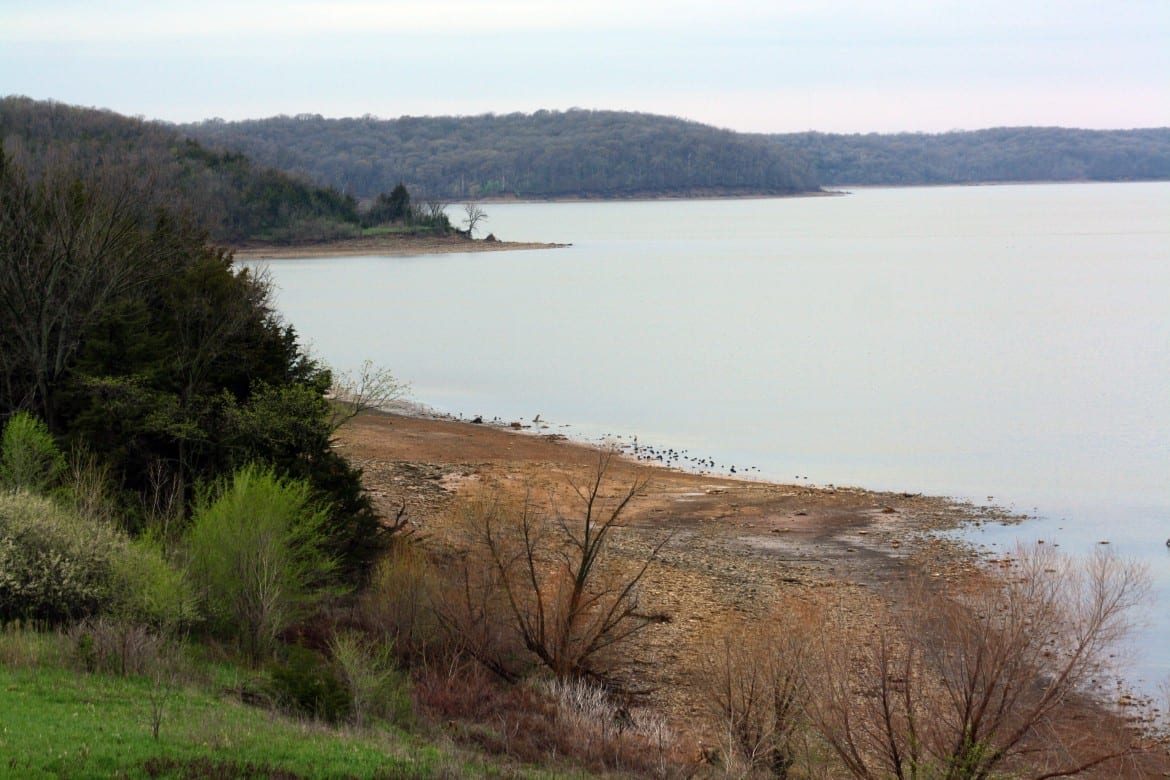
There are also some who believe that the main water source for western Kansas, the Ogallala Aquifer, is past the point of no return when it comes to natural recharge. A plan to build a giant aqueduct to transport water from the Missouri River hundreds of miles has been floated, but it would involve tremendous expense and is not formally a part of the 50-year water plan.
Read MoreIs an aqueduct a practical answer to the water crisis in western Kansas?

A lot has changed in the three decades since the idea of building an aqueduct from the Missouri River to western Kansas was first studied and shelved. For one thing, the water shortages that were mere projections then are now imminent. That reality has prompted state officials to dust off the study and re-examine the aqueduct idea.
Western Kansas is heavily dependent on the Ogallala Aquifer. But since 1950, that ancient supply of underground water has been rapidly depleted by irrigation. That irrigation produces corn, which is fed to livestock to support the beef and, more recently, dairy industries, which are the foundation of the western Kansas economy. But water levels have dropped so low in parts of more than 30 counties that irrigation pumps can no longer be used there. That’s why rivers in western Kansas are little more than dry stream beds.
Read More