
Rural communities rely on this USDA agency. Trump’s cuts threaten that
March 31, 2025 | Frank Morris, KCUR | 5 min read
USDA Rural Development is Washington’s chief tool to promote economic growth in rural counties — providing funding for everything from renovating old hospitals to providing faster internet service.
Sometimes the agency sweeps in to clean up an urgent mess.
For instance, last year in Dunklin County, in Missouri’s Bootheel, a sewer system failure sent raw sewage churning up out of residents’ toilets, into their homes and flowing through their yards.
“We had to get this issue taken care of, and within a few weeks, we had a million-dollar emergency grant for that wastewater plant that was run in part by the county and in a city down there so they could start fixing that as quickly as possible,” Kyle Wilkens said.
Related Content
Wilkens ran USDA Rural Development in Missouri under President Joe Biden and says the agency spent $4.6 billion in Missouri alone over the past four years.
Now the funding and support is likely to slow.
The Trump Administration’s Department of Government Efficiency, or DOGE, first pressed USDA Rural Development employees to retire, then terminated hundreds. Now courts are forcing the agency to rehire workers with back pay — at least temporarily.
“Think of the time that you’re taken away from these folks doing their actual job and that is money,” said Wilkens. “It’s all it is. It’s money.”
The agency does things local governments can’t afford in places without many options.
“In a lot of these communities, USDA Rural Development is the most important partner,” said Owen Hart with the National Association of Counties. “You can’t rely on private investment coming in. The market’s just not there for it. You can’t rely on philanthropy, like you can in a lot of urban areas to meet some of these needs. It is a really, really crucial partner to a lot of these folks.”
On the farm
While Trump won the vote in rural counties by an average of two-thirds, the administration has frozen funding for many rural-focused projects, including grants for solar power paid for through Biden’s Inflation Reduction Act and distributed through Rural Development.
The USDA has since released portions of that funding, but some farmers awarded grants last year are still waiting for the 50% federal reimbursement for money they spent upfront installing solar power.
USDA Rural Development is rooted in the Great Depression, when the Rural Electrification Administration brought power lines to hundreds of remote communities. The agency has sustained thousands of towns over the decades, often by supporting the businesses and farms that bring money into the local economy.

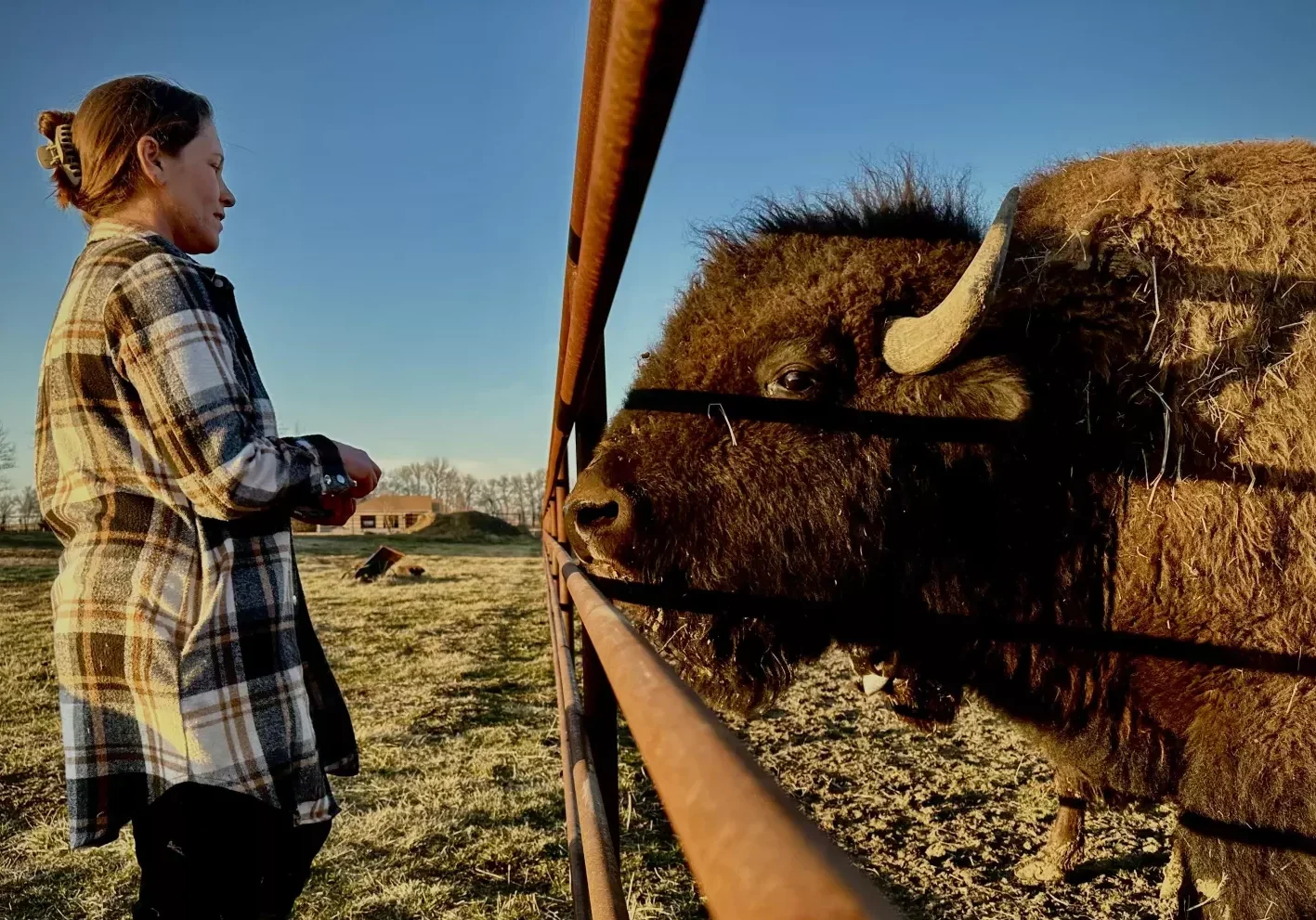
It did that for Batchelder Family Farms. Brad and Jenna Batchelder, with help from their four kids, raise bison, cattle, pigs and poultry near Belton, Missouri.
“It was really almost life changing for us,” said Batchelder.
Five years ago, big meat packing plants shut down as the COVID pandemic swept through the workforce. That triggered a meat shortage. Suddenly strangers were driving up Batchelder’s long driveway to ask if he could sell them a few cuts of meat.
Brad and his wife Jenna Batchelder saw an opportunity to expand their business by selling the meat they produce to retail customers. But going from raising livestock to processing the meat into individual cuts, packaging that and marketing it is an enormous step.
“And we needed an updated website. We needed shipping availability. How do you ship? What’s the best way to ship? How do you get your name out there?” Jenna recalled asking.
After a long series of consultations and an extensive grant application, USDA Rural Development gave the Bachelders a grant to cover half the cost of getting their pork, beef and buffalo meat processed into steaks and other cuts and to start selling meat themselves. Jenna Batchelder says the staff also provided a crash course in business education.
“They were kind of getting us started, but also giving us the platform to kind of go on our own afterwards, and giving us the tools and the knowledge that we needed,” said Jenna.
Now Brad and Jenna are running a busy shop out of the corner of their barn. The $242,000 grant the government provided flows through the local community to butchers and suppliers. Their farm brings money into rural Cass County from nearby Kansas City, and the food supply chain becomes a little more robust and a bit more sustainable.

“These grants that are provided for us give us the tools to do it the right way and to get our food out to people, get them local, you know, healthy farm-raised food that people are looking for,” Jenna said.
Kyle Wilkens credits outcomes like this to his former staff at USDA Rural Development Missouri. He said the crew there, at least before the cuts and turmoil, was deeply dedicated.
“Every person we brought on had a specific job, a specific meaning to what they were doing. They loved what they did, because not only were they working for the country,” said Wilkens, “they were working for their neighbors.”
Now he worries that a diminished and demoralized staff won’t be able to tackle the workload.
This story was produced in partnership with Harvest Public Media, a collaboration of public media newsrooms in the Midwest. It reports on food systems, agriculture and rural issues.
Reading these stories is free, but telling them is not. Start your monthly gift now to support Flatland’s community-focused reporting.
Related Stories
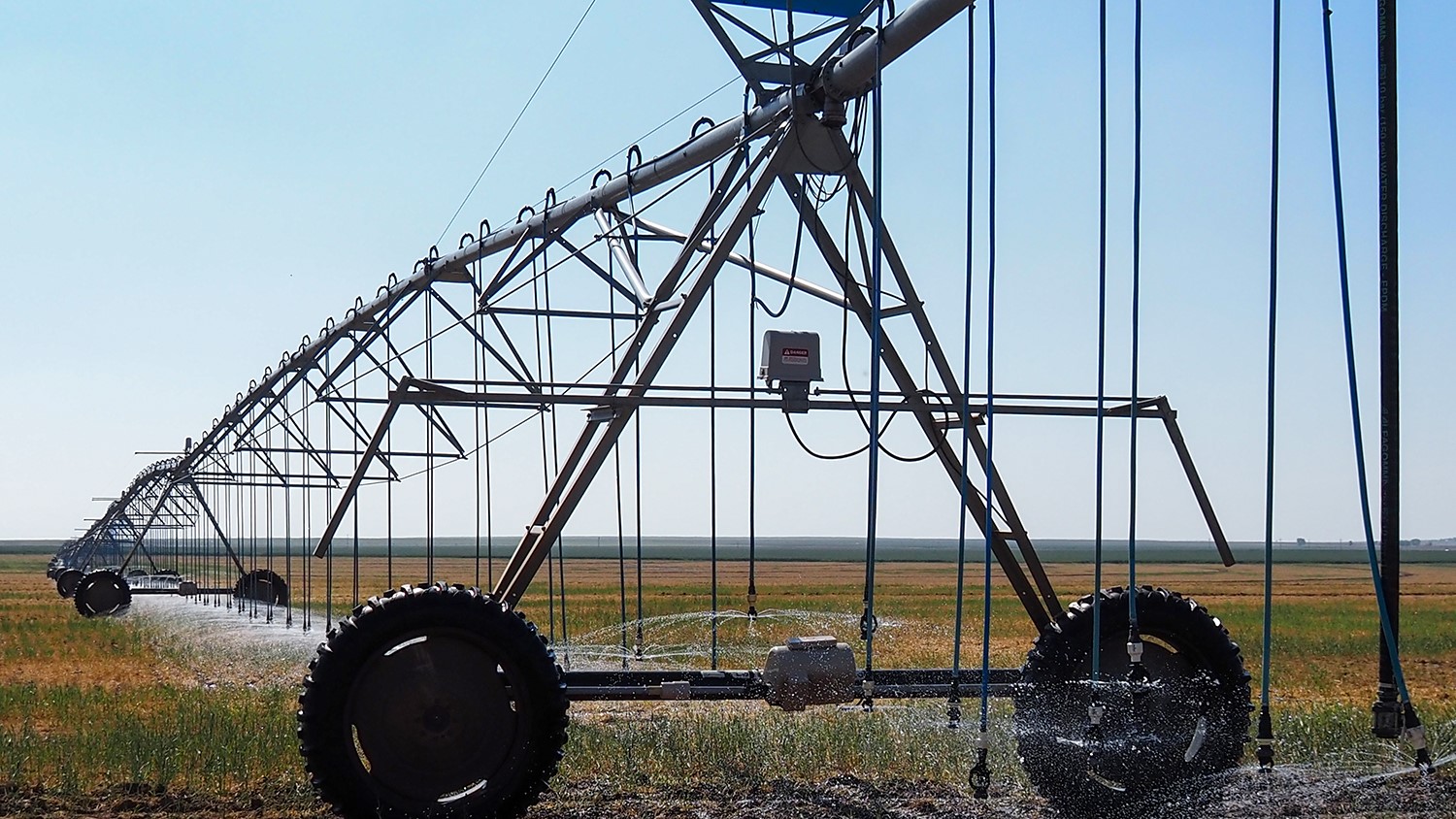
‘Time for a Reckoning.’ Kansas Farmers Brace for Water Cuts to Save Ogallala Aquifer
After decades of local inaction, Kansas lawmakers are pushing for big changes in irrigation to conserve water and save the Ogallala Aquifer.
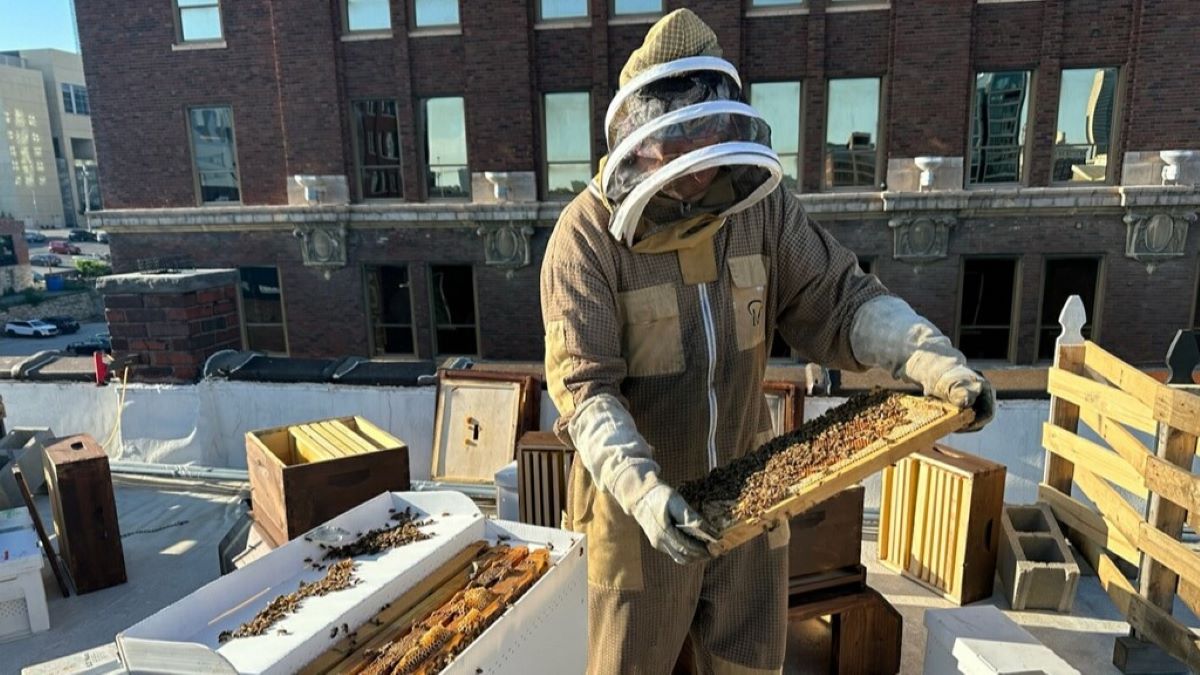
Nurturing the Sweet Nectar of Urban Beekeeping
Kansas City businesses seeking locally sourced honey are embracing urban beekeeping. Meet some who seek to shorten the food chain and support the environment.
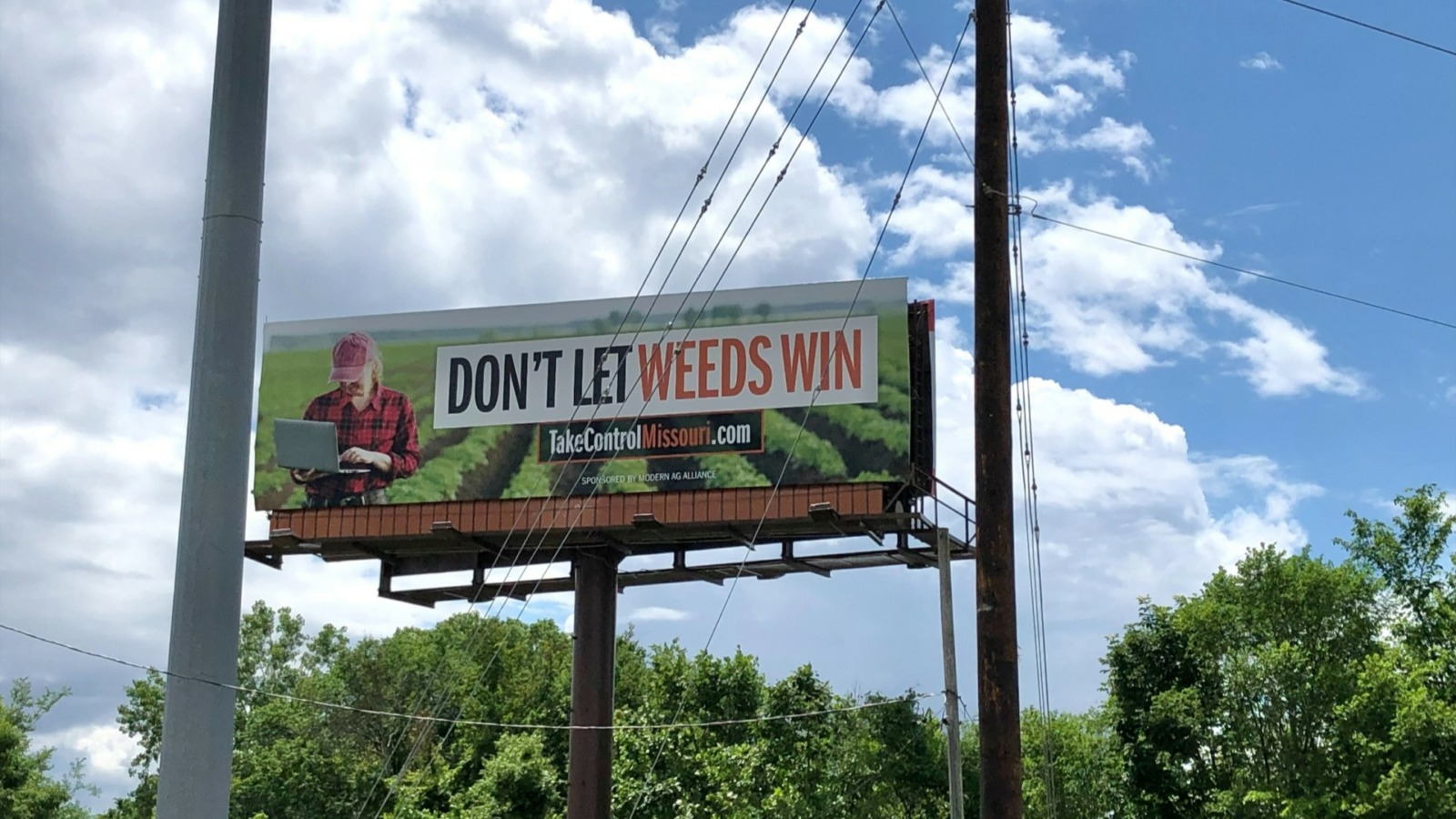
Bayer Pushes Roundup Protection Bill in Missouri
Bayer and the Modern Ag Alliance are pushing Missouri to pass a bill saying EPA labeling for farm chemicals like Roundup satisfies warning label requirements.