
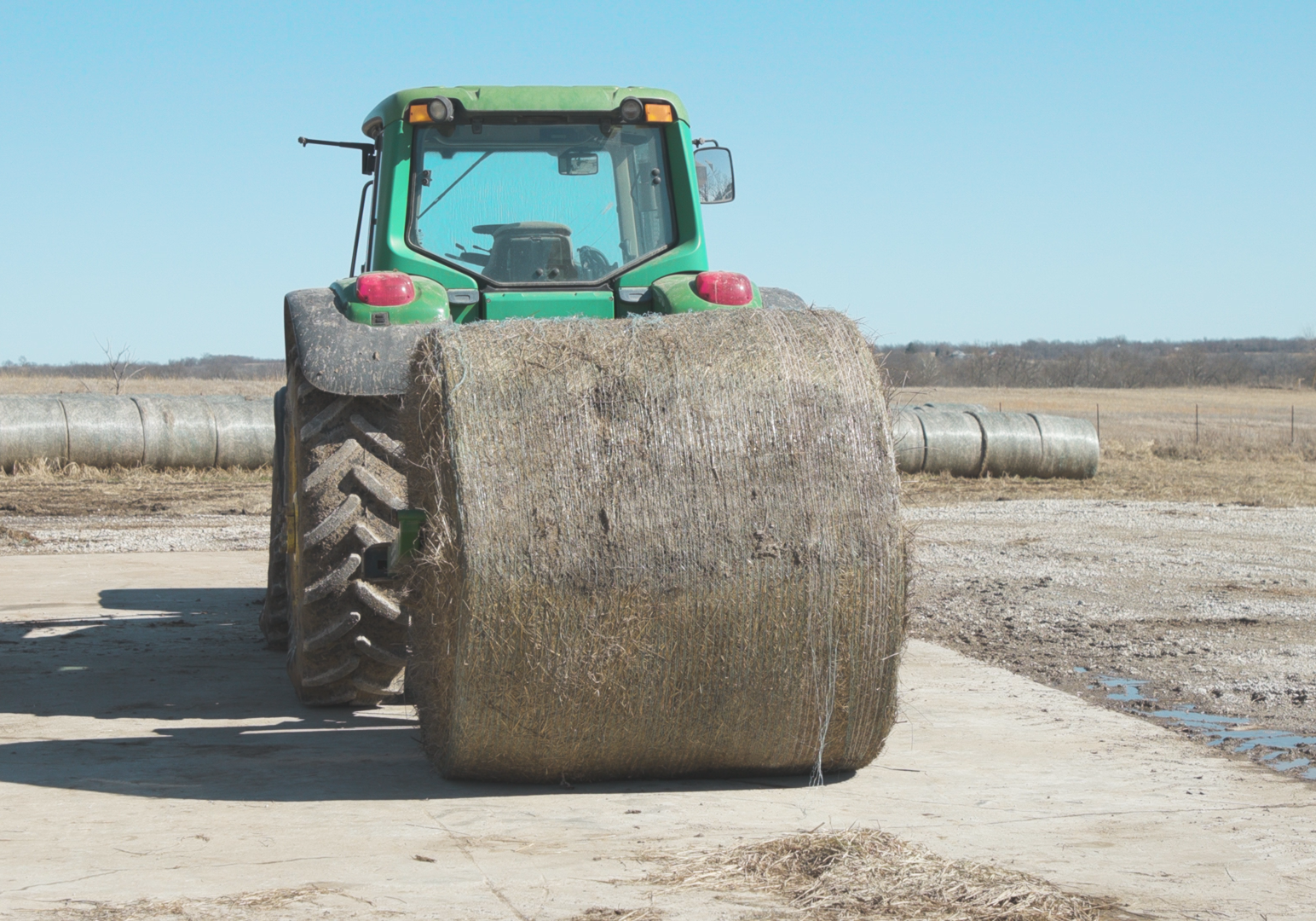
Manufacturers Out of Step with Customers on Repairs
April 17, 2025 | Hannah Davis, Julie Freijat, Mike Sherry | 3 min read
Would you want your livelihood to depend on your daughter’s choice of dance escorts?
Don’t laugh.
Nathan Proctor has heard anecdotes to that effect in his role with PIRG, a Denver-based federation of state-based public interest research groups.
Proctor is the senior director of PIRG’s right-to-repair campaign, which aims to break down the barriers that consumers face from manufacturers in trying to repair everything from tractors to iPhones.
Limited certified repair shops are one hurdle that can be particularly problematic for farmers. If there’s just one such business in town, and the owner gets miffed when your daughter rejects his son’s prom invitation, you might suddenly find it difficult to get that carburetor fixed.
“These things are happening all over the country,” Proctor said, “and people are just fed up with having this monopolized service where you have to go to one person to get your thing fixed.”
The right-to-repair movement began in the early 2000s when products became increasingly complicated and consumers found manufacturers less than forthcoming with repair information.
Massachusetts was the first state to pass right-to-repair legislation in 2012. Lawmakers in Missouri and Kansas have considered, but not passed, right-to-repair legislation.
Right-to-repair advocates suggest companies have a profit motive to restrict repair information, arguing the manufacturers do not want to reduce revenue generated by repairs, replacement parts, or a new purchase.
Proponents also argue that the right to repair reduces electronic waste by allowing consumers to keep their existing technology instead of discarding it for a new replacement.
Industry counterarguments include the potential for loss of intellectual property, cybersecurity breaches, injuries from improperly repaired equipment, and increased compliance costs that will be passed along to consumers.
Tractor Prices
One ironic outgrowth of the current situation is that the cost of decades-old tractors is spiking because of demand from farmers who know they can fix them themselves, said Nick Levendofsky, executive director of the Kansas Farmers Union, which has about 4,000 members across the state.
Ten, 15, or 20 years ago, you might have been able to get an old model for as little as $10,000, he said, but a 40-year-old tractor nowadays can cost as much as $80,000.
“So it’s kind of crazy how things have come around full circle, so to speak,” Levendofsky said.
He also noted that right-to-repair goes beyond agriculture. There’s not a wheelchair mechanic on every corner, he noted.
“The big issue here is that we’re all in this boat together; we’re all having to deal with this,” Levendofsky said, “so why don’t we work together, so that we can address some of these issues and make it all-encompassing.”
Correction: The story has been updated to reflect the first state to pass right-to-repair legislation.
Reading these stories is free, but telling them is not. Start your monthly gift now to support Flatland’s community-focused reporting.
Related Stories

The End of the Pesticide Arms Race?
To spray or not to spray, that’s the question for farmers. Pests can be the make-or-break factor for a season’s harvest. Between 20% to 40% of global crop production is lost to pests annually, according to the Food and Agriculture Organization of the United Nations. Conventional chemical pesticides have traditionally addressed this challenge, but their…

Hundreds of Bee Species Face Decline in Missouri and Kansas
To Tom Schroeder, every bee is a work of art. His own words, backed up with hundreds of photos in his camera roll from the prairies and woods of Kansas City WildLands. With more than two decades of volunteering with the group, he’s become a bee enthusiast– but not an expert, he’ll clarify. “We’re the…
Developers eye idle KCK power plant as the region pursues data center projects
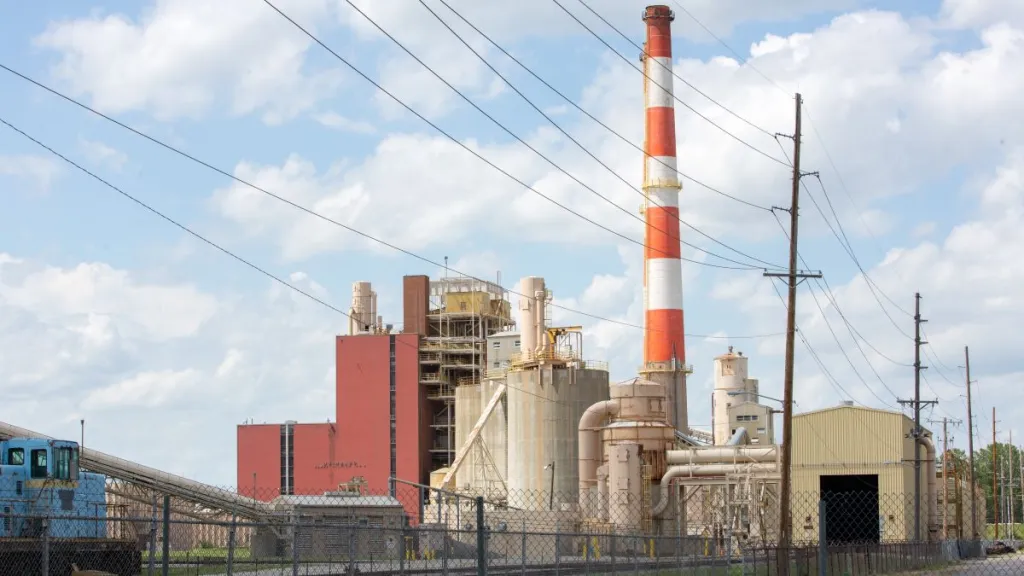
A defunct Kansas City, Kansas, power station astride polluted land has caught the eye of investors eager to develop an energy-hungry data center. The investors have offered to pay millions of dollars for the environmental remediation of the Kansas City Board of Public Utilities’ defunct Quindaro Power Station — and then some. The Unified Government…