
Stitch in Time: Sewing Nonprofits Evoke Old Garment District
August 25, 2023 | | 7 min read
When it comes to fashion, the Midwest is not typically on the radar.
Schooling for fashion merchandising and design in Kansas is not very extensive. Johnson County Community College, Kansas State University and the Arts Institute in Lenexa are the only places that offer it in a school setting.
But did you know that Kansas City was once home to one of the largest garment districts in the nation? Around World War I, seamstress Nelly Donnelly Reed became a pioneer in women’s ready-to-wear clothing and revolutionized the American fashion industry.
Her idea was to make garments that the average woman could feel stylish in, and she believed that being well dressed was not reserved for the wealthy.

“I think of her brand (Nelly Don) as the premier garment brand,” said Amy Barickman, local seamstress and creative arts entrepreneur. “She was very progressive in the way she worked as a leader to her people.”
Barickman is the founder of the sewing pattern company Indygo Junction.
“I launched it from my apartment building over by the Nelson in 1990, and I was able to grow it by selling millions of patterns and publishing upwards of 80 different instructional booklets on quilting and crafts,” Barickman said.
“I worked with a lot of local designers in Kansas City, and I would license designs by different artists and then publish the sewing patterns or applique patterns for their designs.”
Barickman believes that combined with the low cost of living and a strong sentiment for shopping locally makes the Midwest a great place for budding creative entrepreneurs.
“I don’t think you can go to another city and find the love that you see in retail merchandise that’s devoted to a theme that you find in Kansas City,” she continued. “That’s thanks to the Royals World Series, the Chiefs Super Bowl and just people’s love for the Midwest.”
Sewing is not just a hobby, but a trade skill.

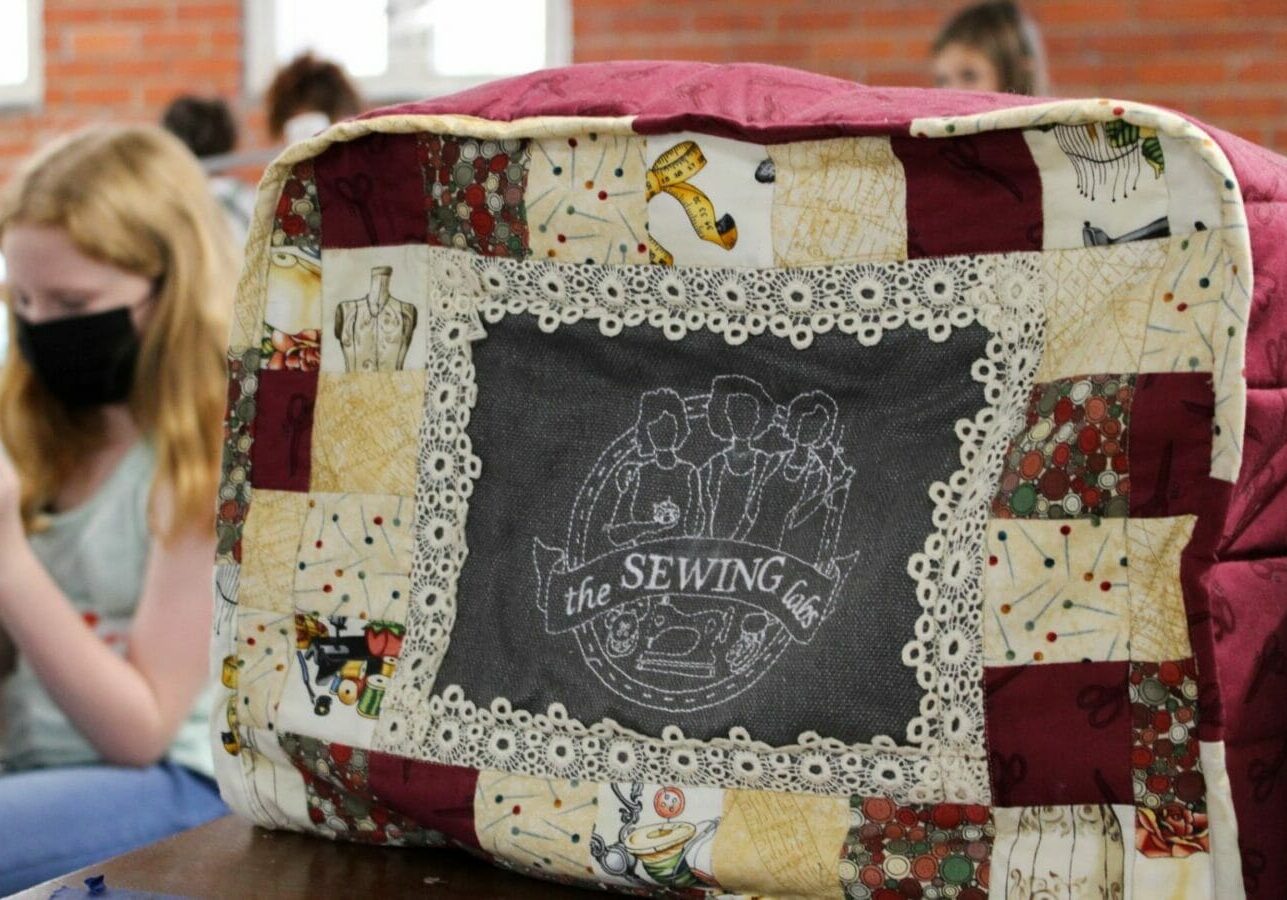
The Sewing Labs is a nonprofit in Kansas City that offers classes on sewing and quilting, as well as job training programs and apprenticeships for aspiring seamstresses.
“We’re partnered with other nonprofits to help find students for the program, especially if they have a workforce development or job training component,” said Eileen Bobowski, manager of development and outreach at The Sewing Labs.
“We’re also always looking to partner with sewing machine companies and different quilting businesses around town like Missouri Star Quilt.”
The Missouri Star Quilt Co. is located in Hamilton, Missouri, a town with a population of less than 2,000 people. It also just so happens to be one of the largest quilt hubs in the country, known colloquially as “Quilt Town, U.S.A.”
Sewing, quilting and embroidery are all taught at the Sewing Labs. They even have summer camps for kids to learn how to develop these skills.
“We are approached by people all over the country who want to learn how to sew,” Bobowski said. “It’s not in the schools anymore. There are tons of (sewing) machines at thrift stores. People are getting rid of them because they don’t know what to do with them anymore.”

Although Bobowski said The Sewing Labs’ primary goal is job training, she also mentioned the perks of learning how to sew as a hobby.
“You can make a decent living wage as a stitcher and your worries will fade away while you’re sitting there,” she said. “There’s a real mental health benefit to this room.”
After the pandemic, sewing saw a surge in popularity. Memberships to a resource for beginner sewers known as Seamwork have jumped by 50% since 2020.
“When I talked to companies in my industry, they had huge increases in sales during the pandemic,” said Barickman. “A lot of people put out tutorials and lectures online during the pandemic that contributed to people’s interest and excitement for sewing.”
Rightfully Sewn is another sewing nonprofit in Kansas City. Unlike The Sewing Labs, they have a bigger hand in manufacturing.

The organization manufactures everything from clothing apparel to car seats to tourniquets for the military. They’re a subsidiary of Alphapointe, an organization dedicated to employing and educating individuals who are blind or visually impaired.
“When COVID happened, the nonprofit sector was especially hit,” Bennett said. “We had opportunities to talk to Alphapointe about partnerships, so we’re our own 501(c)(3), we’re just owned by them.”
Both sewing nonprofits got work during the pandemic making and selling masks to different places.
Similar to The Sewing Labs, Rightfully Sewn also offers classes.
“There’s a seamstress training program, which is a professional training program for those who want to work on the production line,” said Lacey Daniels, academy programs manager. “And we offer public classes that range from beginner to advanced.”
Tahera Hosainzada is a seamstress and supervisor at Rightfully Sewn, and is originally from Iran.

“Back home, sewing is necessary for girls to provide for themselves and their families first,” Hosainzada said. “Here, sewing can also be a job and the girls can make money from it.”
Of all the Rightfully Sewn employees, 60% have refugee status. Some are hired from the training programs and others already have the necessary sewing skills, like Hosainzada.
“We don’t just accept, but we affirm the diversity,” said Bennett. “Five languages are spoken in the room, and we just celebrated Ramadan.”
The Rightfully Sewn team mentioned the growing number of people interested in learning how to sew. One motivation is to slow down the cycle of fast fashion.
Fashion culture in Kansas City is only getting bigger, Bennett added.
“There’s a Kansas City Fashion Week with full events, runways, demonstrations, local designers featured and all that,” he said.

“One thing we’re really trying to ramp up is fashion intensive classes for young designers who want to learn how to elevate their line,” said Potsie Camarena, operations assistant and social media manager. “We give them access to industrial sewing machines, big cutting tables, mannequins and other stuff they might not have at their house.”
Learning how to sew, whether for a job or just as a hobby, is a good skill to hone, The Rightfully Sewn team argues.
“I think when individuals learn sewing it helps them understand better why they maybe need to pay appropriate prices for clothes,” said Shelby Ellis, pattern and design assistant. “When you do it yourself, you realize how much time and work it actually takes.”
“It’s so much more than just sewing clothes,” Bennett continued. “We’re working with individuals that are trying to design functional clothing and garments, and I couldn’t describe them any differently than inventors. It’s for a purpose.”
Yasmine Ferhat is a summer reporting intern with Kansas City PBS. She is studying journalism and film at the University of Kansas.

Reading these stories is free, but telling them is not. Start your monthly gift now to support Flatland’s community-focused reporting.

Related Stories

Nick’s Picks | Roads, Bathrooms, Costco and More …
New Toll Road Opens Kansas City’s first toll road opens this week. Starting Saturday, you’ll pay up to $3.50 to travel the new express lanes on U.S. Highway 69 from 103rd to 151st streets in Overland Park. There are no toll booths — cameras scan your license plate, and a bill arrives by mail. KTAG…
Up From the Ashes: Warwick Theatre Revival Draws Applause
Two years ago, John Cleary met a fellow Kansas City actor for drinks. Their conversation centered on the fate of the Metropolitan Ensemble Theatre. A large portion of the ensemble’s home, the Warwick Theatre, was ash, charred timbers and soot-saturated costumes and props — remnants from a recent massive fire. The destruction was so great…
Nick’s Picks | Baseball, Drones, Romance and More …
Royals Reveal Next week, the Kansas City Royals head to Arizona for Spring Training. And that’s the mayor’s self-imposed deadline to lock in a stadium deal. So, is this finally the week owner John Sherman steps to the plate and unveils where the Royals will build their next home? At last week’s council meeting, Mayor…