
Stay Safe Kansas City!
U.S. Data and a KU Physician Highlight The Dangers of Fireworks
July 3, 2019 | Brian Perlman | 6 min read
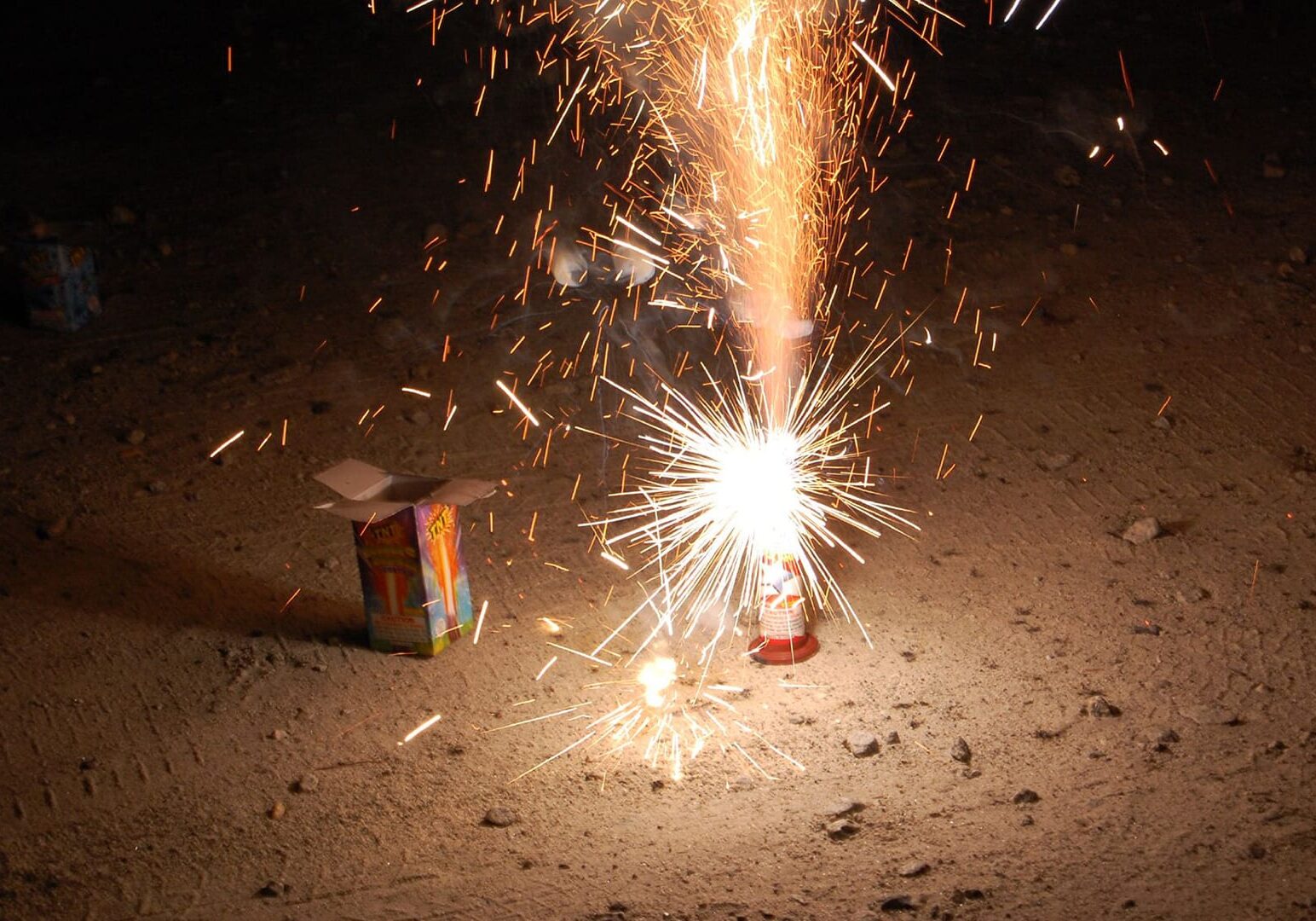
Fireworks can be fun — until they aren’t. Unfortunately, along with hotdogs and ice cream, the Fourth of July also brings with it a barrage of fireworks injuries.
As a reminder of how dangerous these Independence Day explosives can be, Flatland analyzed data from the U.S. Consumer Product Safety Commission and talked (below) with Dr. Dhaval Bhavsar, a plastic surgeon and co-director of the burn unit at the University of Kansas Health System. All of the graphics below contain data on fireworks injuries that took place in the month around July 4 each year.
Q: What kind of injuries do you see related to fireworks around July 4th?
A: The most common injuries that we see are related to curious male[s] wanting to make sure that [a] mortar goes off, and they’re not satisfied with the speed, so they try to relight it and end up either having it blast in their hands or close by. Next is the sparklers and then a few other fireworks. Most commonly it will be a younger male, but we have seen it range as much as very young kids like 4-year-olds or younger, and as old as 50s and 60s also. And most of these injuries would be for the hand, sometimes the face. Sparklers or other fireworks wouldn’t go off as expected in a timely fashion in a few seconds and they tried to relight it and then kind of are bending over it and it will just go off exactly that same time.
Q: Are the injuries mostly burns or contusions or what type?
A: [The injury] will be a combination [of burn and contusion/laceration]. So for the hand, if it’s a mortar, it will be burned from the flame itself, and from the blast that would be laceration/contusion. Many times additional injuries will involve the tendons, nerves, even something that can risk the fingers also. So we have seen all that spectrum. For the face, usually it is mostly those kind of flash-flame kind of burns that it will be sudden and then the person kind of falls back.
Q: What severity does it take for a patient to be admitted to the hospital for a firework-related burn?
A: Most of the patients will be admitted for when they have third degree burns or deeper burns — third- or fourth-degree burns. Sometimes they have a larger area and they have secondary burns, which is difficult to manage. It will require specialized wound care, pain management, and they are admitted for that. Pediatric patients and young patients with some amount of burns, we can keep them because it’s very difficult to manage their pain and anxiety.
Q: What about staffing concerns? Do you have enough doctors and nurses to take care of patients that come in?
A: If any patient comes in we have a full team available to take care of them in the emergency room. It would include one physician, our nursing staff or wound-care technician, and emergency room staff who would be able to provide the sedation for analgesia for doing the dressing change and take care of the entire process in the emergency room right away. And there is no delay if the patient comes in—essentially they are put into urgent care rooms and they would be taken care of right away. That helps us manage the large number of patients we get during this time and to unnecessarily avoid admissions because then we will run out of beds. We will have like 25 patients over three days, four days, five days’ period, we don’t have that many beds to cover those patients, or it will be very difficult, so we create a system where we are able to manage these patients very quickly.
Q: What’s the capacity of the burn unit, and who staffs it?
A: We have 16 beds. We have hand surgeons who are part of the plastic surgery department, as well as hand surgeons that are part of the orthopedic department. They would be covering, but usually depending on the coming week, it will be the plastic surgery service that will be covering for more complex hand injuries. Some of our burn surgeons are plastic surgeons who manage most of the hand injuries, but if it’s more complex, they would need a more complex surgery and hand surgeons will be involved also.
Q: As co-director of the burn unit, do you manage the staffing of the burn unit, as well?
A: Correct. So we would be discussing this ahead of time. So in most of the years, either end of May or June, we would have discussed exact staffing requirements, and then each of the days and how we will manage that staffing will be discussed ahead of time—how the staffing will be on July 2, 3, 4, 5, 6 and the entire weekend, and we’ll have one of the attending physicians, one of the resident physicians and additional personnel from the physician or provider side of it. The nursing team will have [an] additional person who would be just doing specifically triaging of the patients, and one additional nurse for wound care plus the wound care technician. So this will be all arranged for day and night, both shifts, for the heaviest of the three or four days.
Q: And this is all specifically to augment the staff in case of more burns coming in because of the holiday.
A: Right, and which we expect. It does happen. I mean there is not a single year that we did not see more burns. There are the years that we saw more than not. Some years we have seen like, say, 30 plus burns few years back, versus now last year we had a total of 25 between our clinic and inpatient side or emergency room and clinic. But we have to be prepared that this would be a heavier admission and a burn injury incident time.
Q: We analyzed data from the U.S. Consumer Product Safety Commission and found that the hand and fingers are most likely to be injured by fireworks, followed by the head/face/ear region, followed by the legs. Is this commensurate with what you see in your patients in the burn unit?
A: Yes, absolutely. I think the hands would be number one, then the face, and then other areas including the lower legs and then some other areas. We rarely see patients having much, much larger burns. Most of times these are smaller [burns] — when it’s smaller it’s only most like 2 or 4%, and it will not be super extensive. The largest would be, say, 10% that involves the face and hands and a few other spots.
—Brian Perlman is a summer intern for Kansas City PBS
Reading these stories is free, but telling them is not. Start your monthly gift now to support Flatland’s community-focused reporting.
Related Stories
Nick’s Picks | Roads, Bathrooms, Costco and More …
New Toll Road Opens Kansas City’s first toll road opens this week. Starting Saturday, you’ll pay up to $3.50 to travel the new express lanes on U.S. Highway 69 from 103rd to 151st streets in Overland Park. There are no toll booths — cameras scan your license plate, and a bill arrives by mail. KTAG…
Up From the Ashes: Warwick Theatre Revival Draws Applause
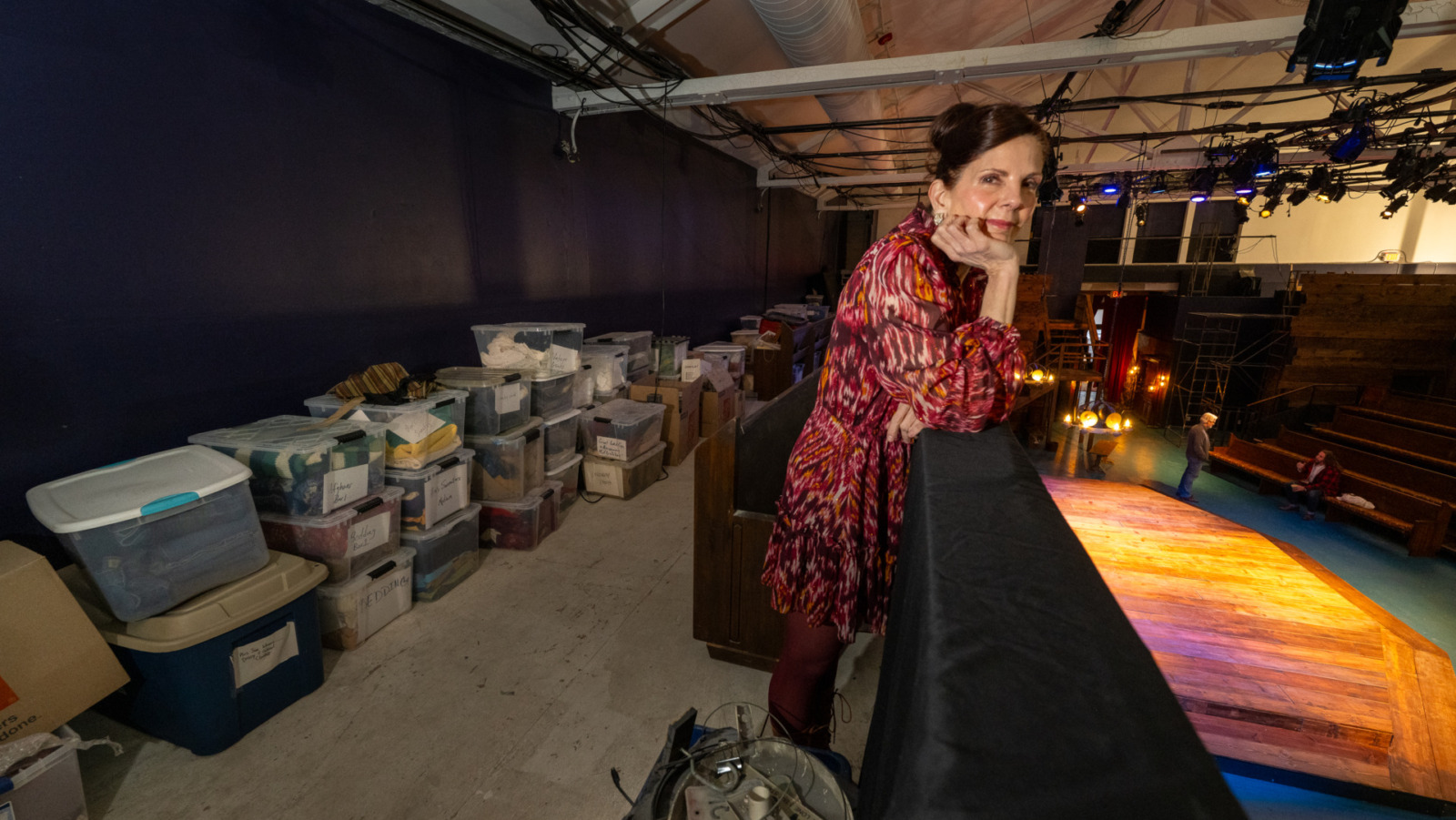
Two years ago, John Cleary met a fellow Kansas City actor for drinks. Their conversation centered on the fate of the Metropolitan Ensemble Theatre. A large portion of the ensemble’s home, the Warwick Theatre, was ash, charred timbers and soot-saturated costumes and props — remnants from a recent massive fire. The destruction was so great…
Nick’s Picks | Baseball, Drones, Romance and More …
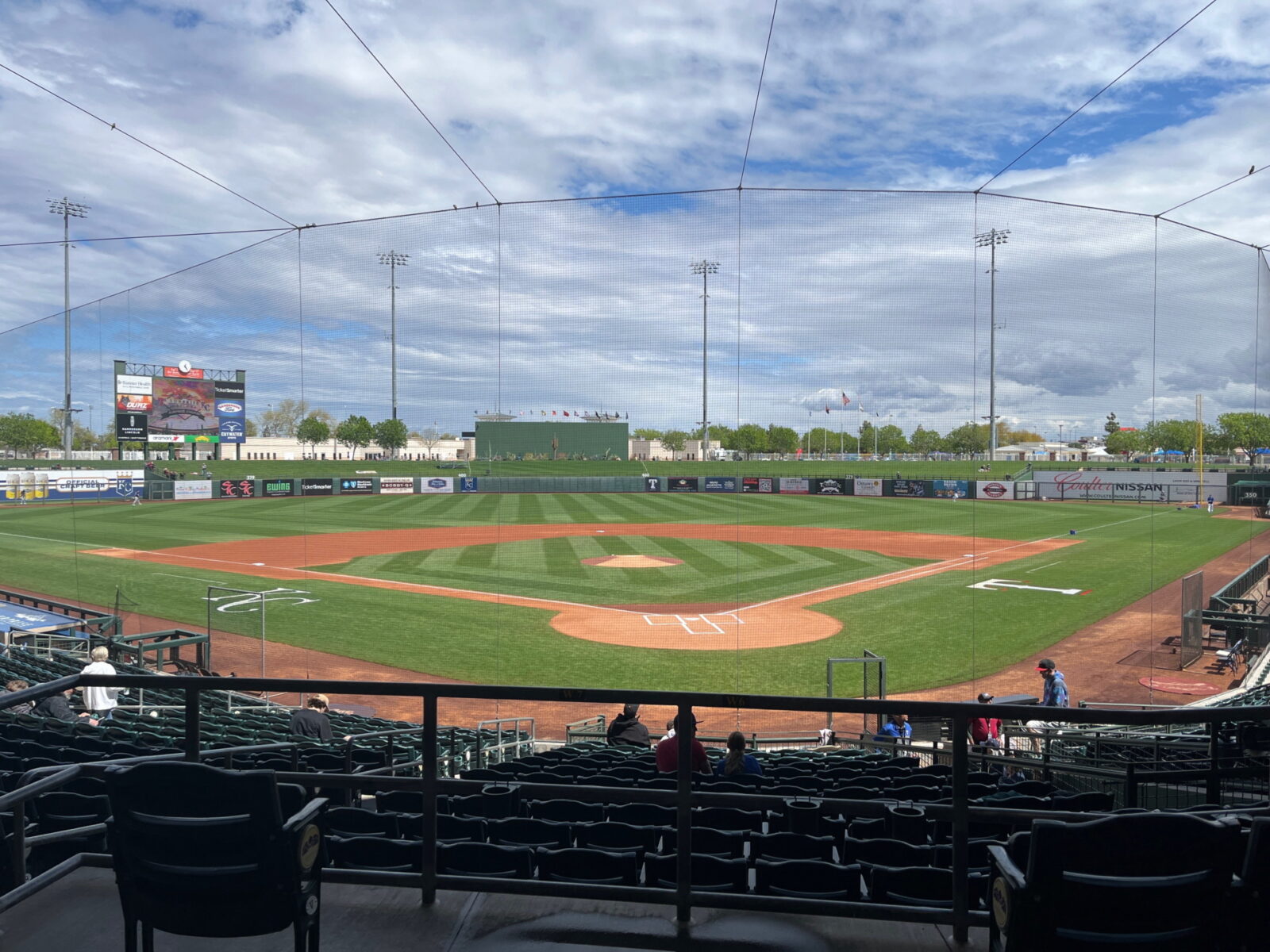
Royals Reveal Next week, the Kansas City Royals head to Arizona for Spring Training. And that’s the mayor’s self-imposed deadline to lock in a stadium deal. So, is this finally the week owner John Sherman steps to the plate and unveils where the Royals will build their next home? At last week’s council meeting, Mayor…