
Cami Koons
Reporter
Flatland contributor Cami Koons is a freelance journalist focusing on food chain and sustainability issues.
Stories by Cami Koons
Room to Roam with No Money Down
Rural development loans from the USDA allow folks to pay 0% down on a properties out of the city.

‘Dial Up Was Faster’: Rural Folks Still Struggle for Reliable Internet
Government funding means rural broadband is expanding, but many still struggling for decent connectivity.

‘Pulled Over: The Hannah Fizer Case’ Tells the Story of a Sedalia Shooting
A new, 16-minute documentary from Independent Lens chronicles Hannah Fizer’s death at the hands of a Pettis County deputy.
curiousKC | Who is Combating Climate Change in Kansas City?
Many organizations across Kansas City deal with climate change, but here are some of the big players and what they do.

‘Highway to Hemp’: Building, Making and Dreaming Big with Hemp Fiber
Manufacturers are finding new ways to make sustainable products using hemp fiber.

Signs of the Times, Past and Present
Fossil Forge sign shop has been a force in bringing back neon signs in Lee's Summit and the rest of the Kansas City area.
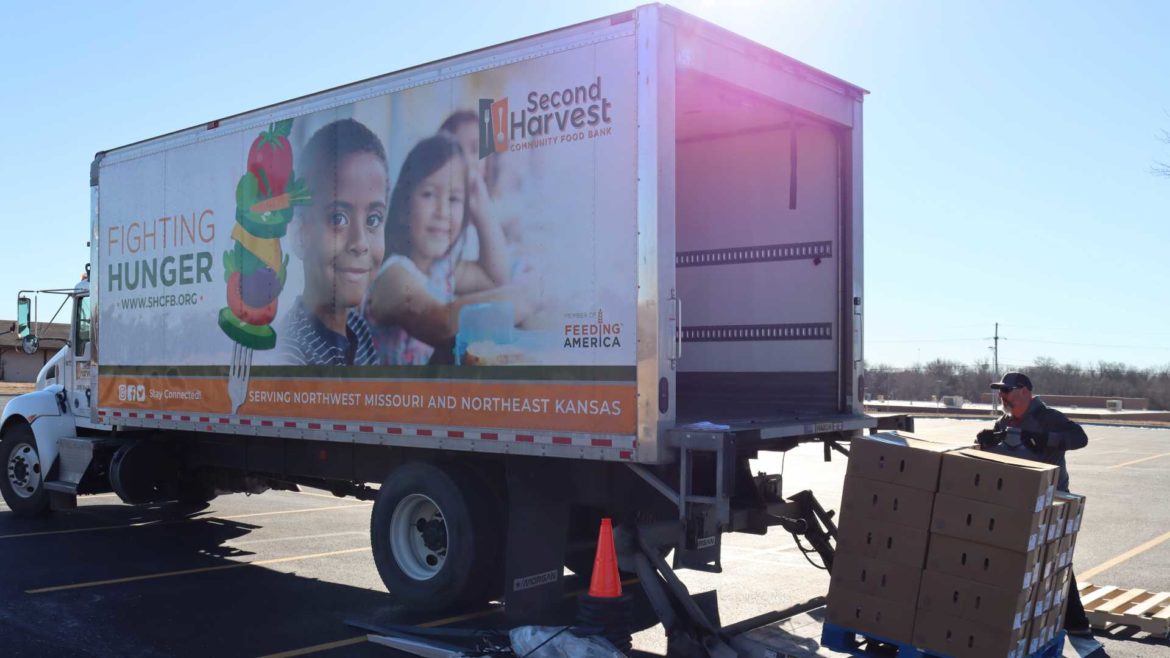
Hunger Pains Hitting Hard in Rural America
Rural counties account for 87% of the counties with the highest rates of food insecurity in the nation. About 2.2 million rural households face hunger.
Highway to Hemp: ‘Wild West’ of the CBD Market
Prices for CBD plummeted in 2019 as producers flooded the market, but those who stayed in the game are hopeful that FDA approval will blossom the industry.
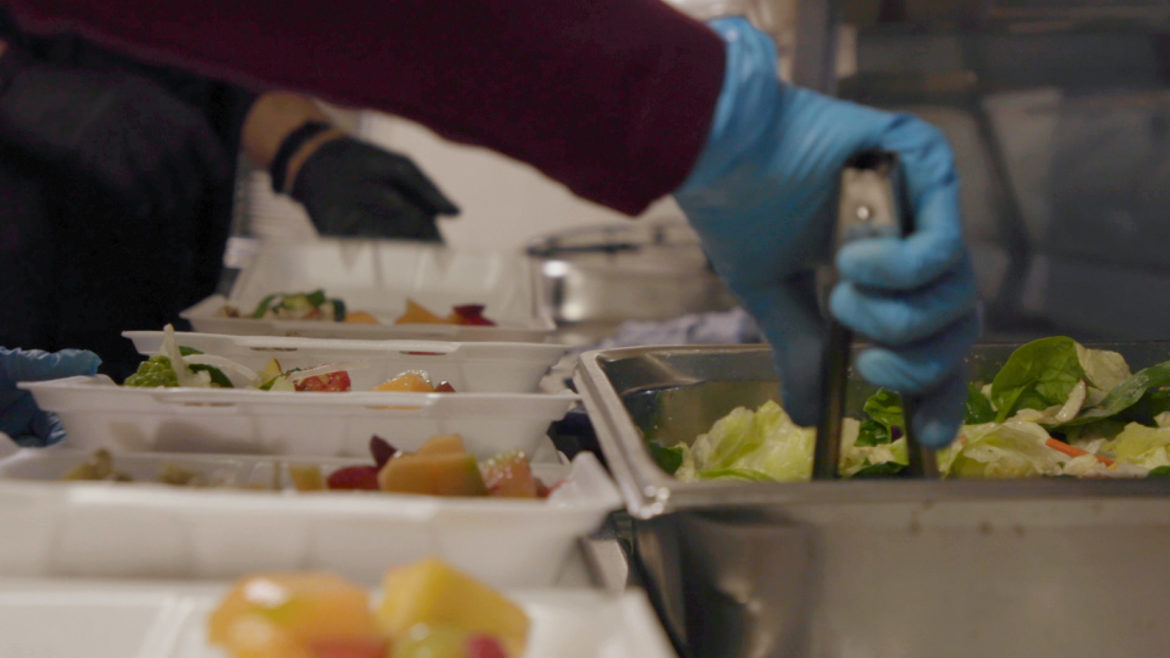
curiousKC Resource Guide | Finding Food in Kansas City and How to Get Involved
In 2020, the U.S. Department of Agriculture found that 6.7% of all Americans used a food pantry at some point to help fill the gaps when feeding their households. Food pantries and kitchens are vital to those who don’t qualify for federal food assistance programs, can’t stretch their benefits through the month, or just need…
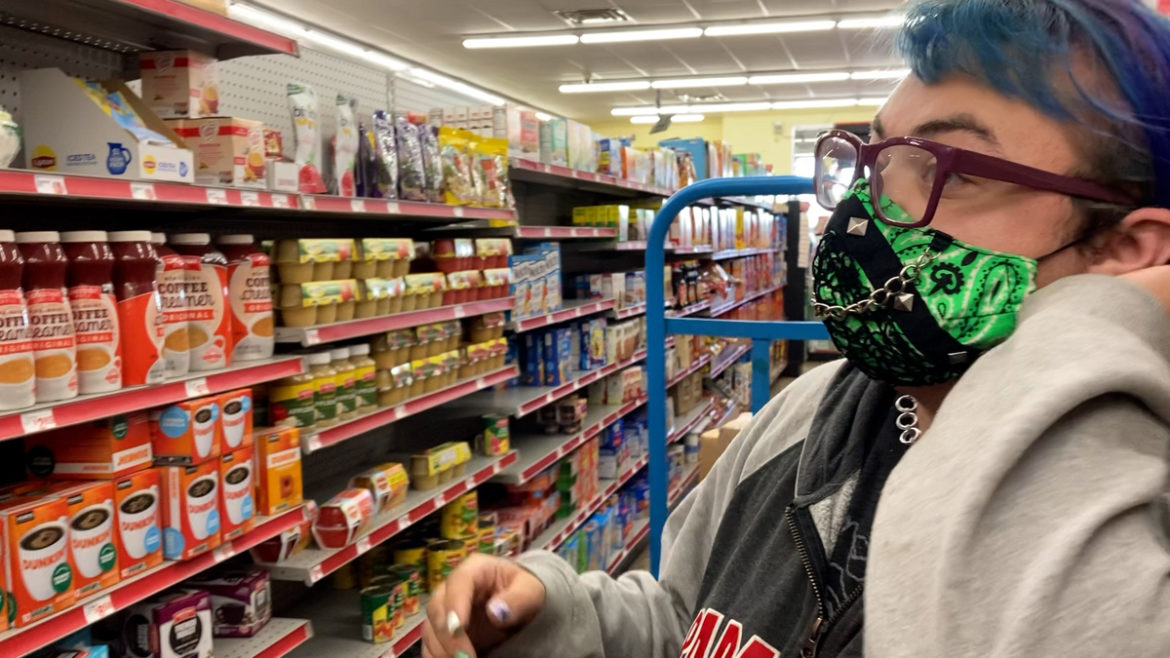
Food Fight: How Kansas City Struggles to Feed Its Families
According to Feeding America, one in eight people in the United States face food insecurity. Of those who are food insecure, only 50% are eligible for SNAP benefits. The result is a food chain stretched to the breaking point, families going hungry, people losing hope and a charitable sector struggling to help.