
Brian Burnes
Stories by Brian Burnes
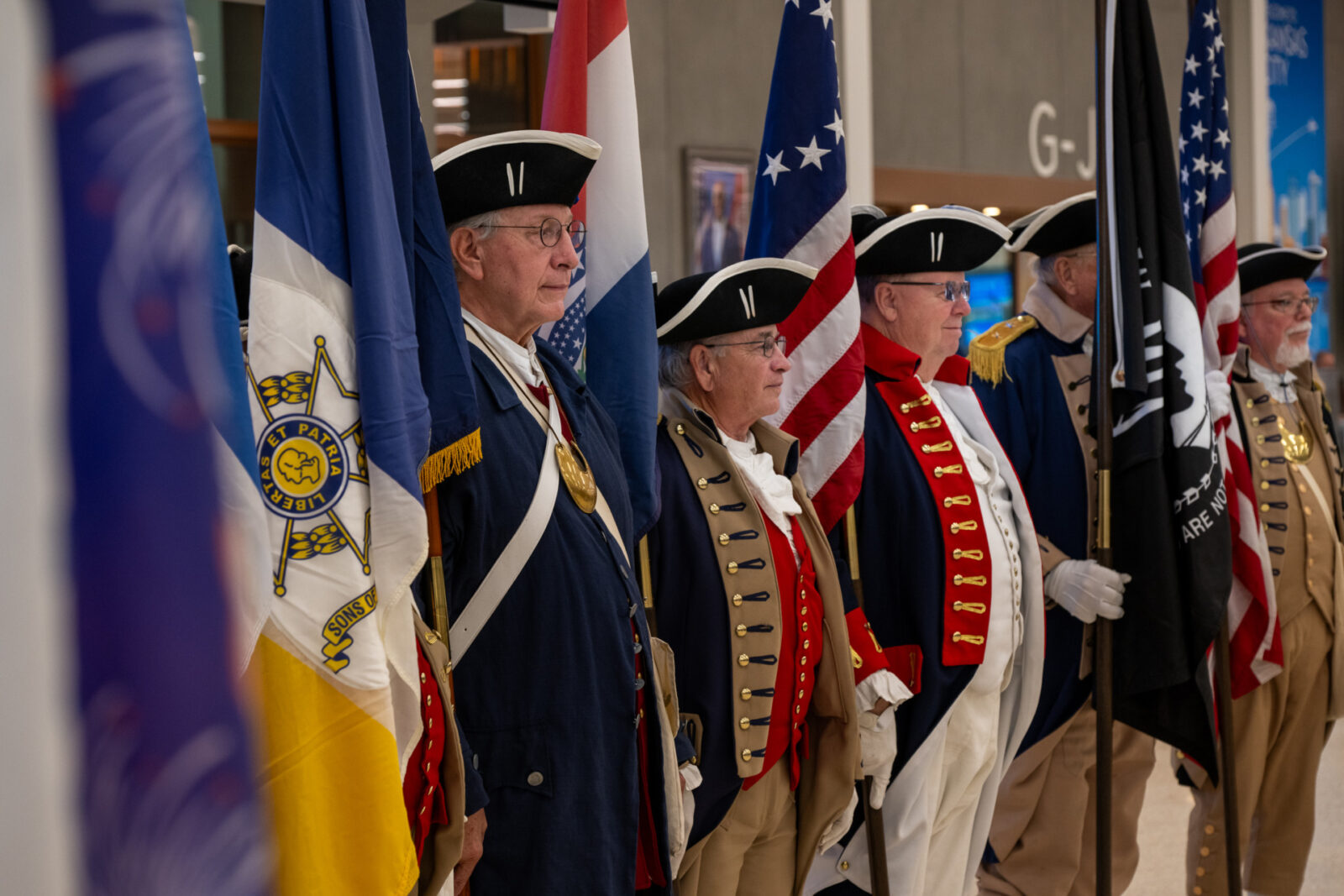
Flatland Explores Local American Revolution History in Light of Latest Burns Documentary
It was 10 p.m. on Veterans Day when the returning service members stepped onto the terrazzo floor between Baggage Carousels 5 and 6. The veterans, many from the Vietnam War era, were returning to Kansas City International on the return leg of their trip through Honor Flight, the nonprofit that takes veterans on free, day-long…
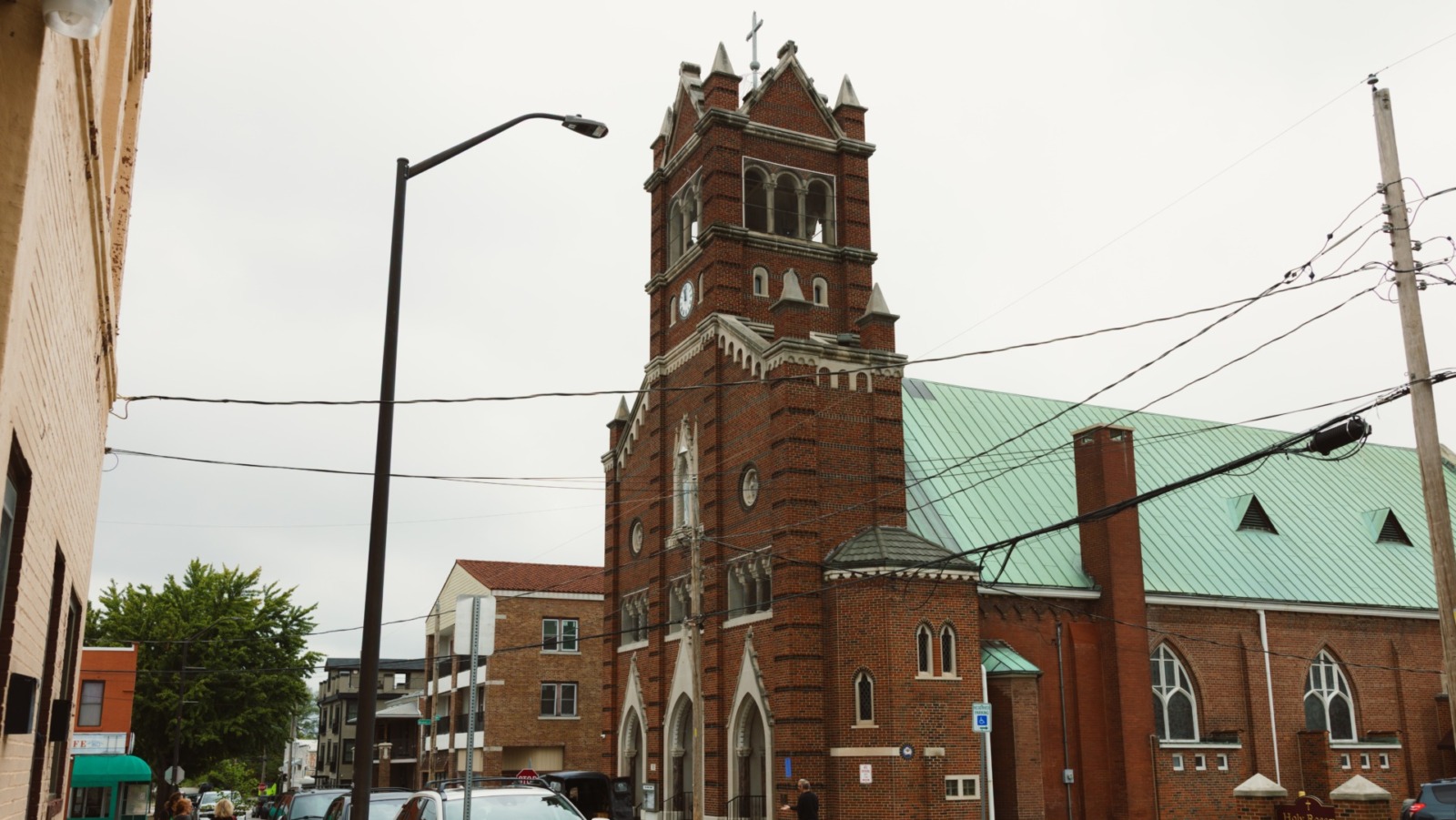
Two Documentaries In The Works About KC’s Historic Northeast
Those seeking to find Kansas City’s Italian-American community can start at Holy Rosary Catholic Church. Inside, at 526 Campbell St., stand statues of canonized historical figures — Frances Xavier Cabrini and Francis of Assisi among them — venerated by the immigrants who worshipped on this very spot upon their late-19th-century arrival. Inscribed on the walls…

Kansas City Looks to Build On History of Philanthropy
It started with a conversation on a Lake of the Ozarks dock. Comedian Rob Riggle was describing his recent visit to Kansas City’s Children’s Mercy Hospital. “He had hosted the hospital’s annual Red Hot Night fundraiser [in 2009] and they had taken him on a tour,” Julie Riggle McKee, Riggle’s sister, said recently. Like anyone…
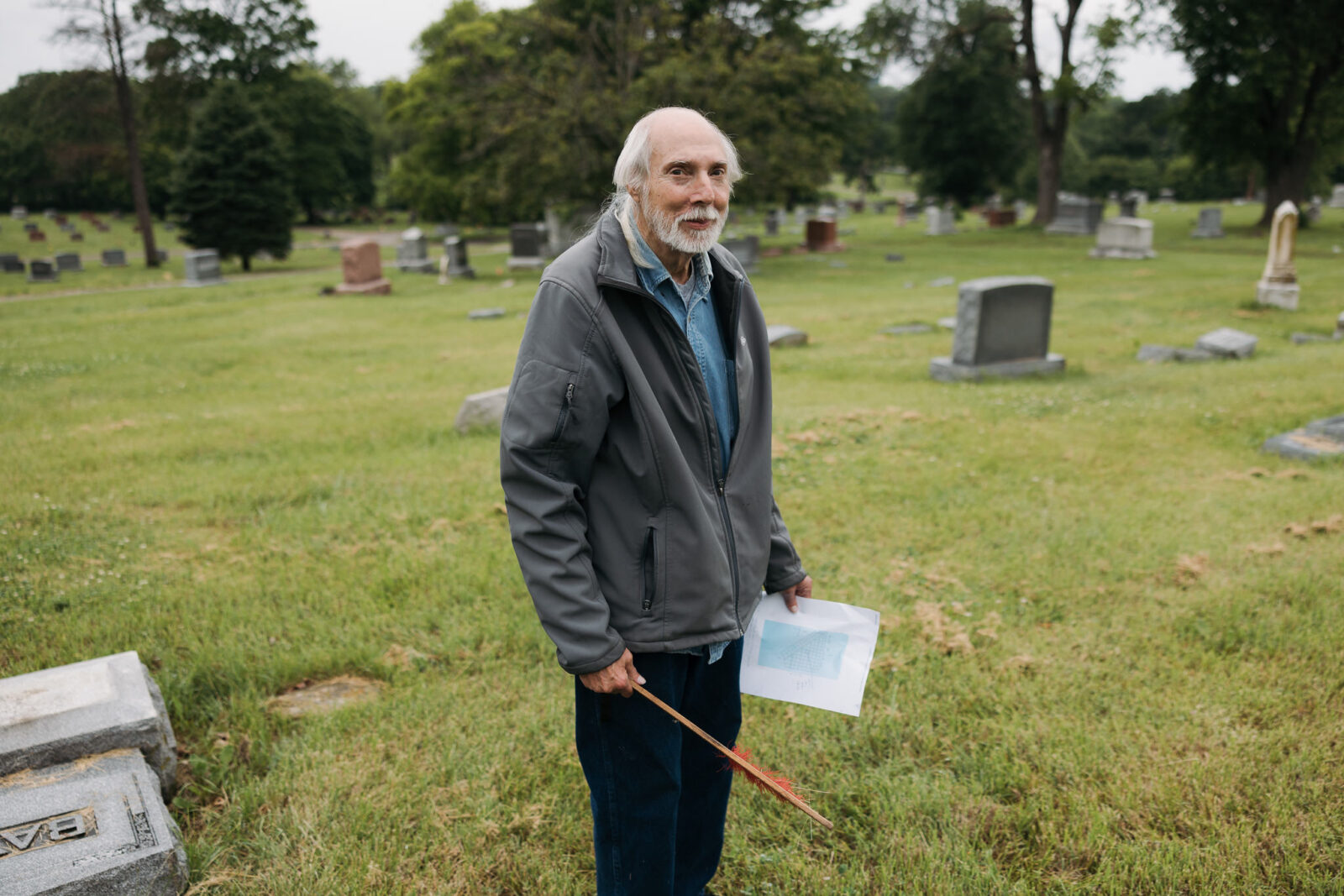
Volunteer ‘Gravers’ Search For Plots After Online Inquiries
Six years ago, Robert Franke’s heart doctor suggested he get more exercise. Some would have received that news and headed to the golf course or pickleball court. Franke headed for the closest cemetery. There he pursued his new calling as a Find a Grave volunteer — or “graver,” as some of them refer to themselves…
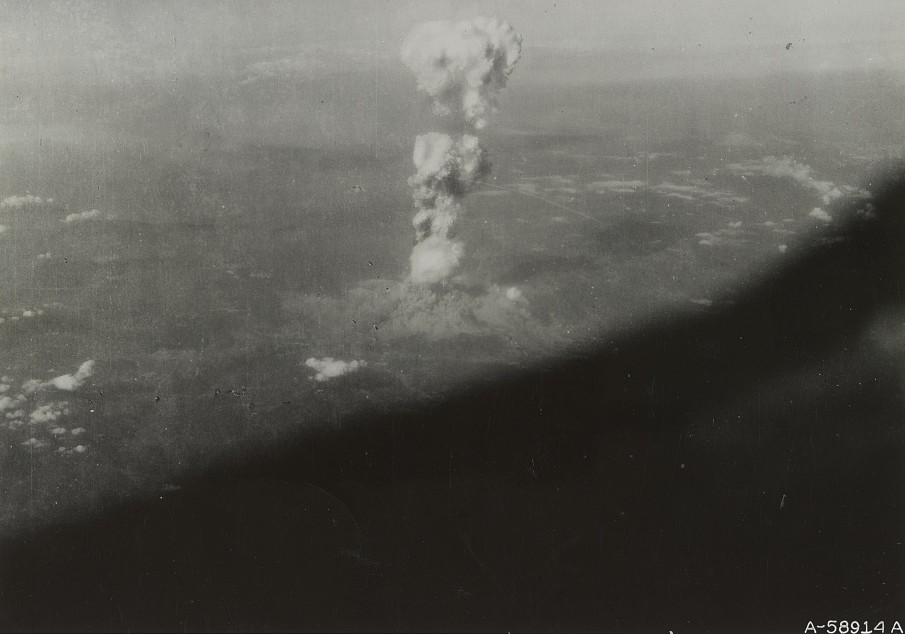
Winning the War: Recalling the ‘Instrument of Deliverance,’ Pondering the Future of Democracy
Second of two installments About 16.4 million Americans served during World War II, according to the National World War II Museum in New Orleans. Just 66,000 — fewer than one out of every 250 who served – were still alive in 2024. Among those, 1,321 lived in Missouri in 2024, while 352 lived in Kansas….
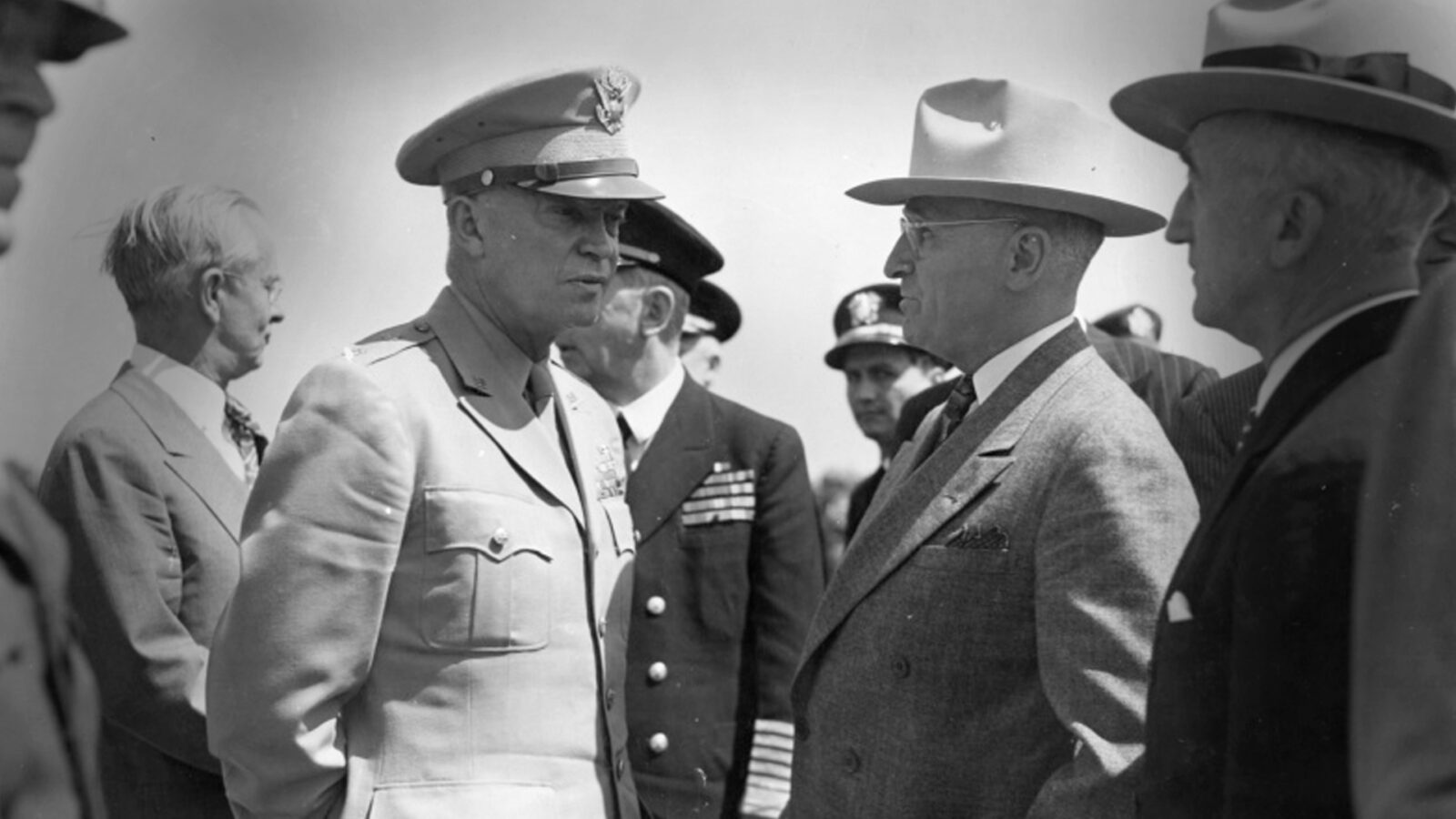
Winning the War: Truman, Eisenhower and the Fight for Democracy
First of two installments Consider it an example of just how small two towering global figures could be. The year: 1961. The event: a high-stakes summit that called for discretion and diplomacy, given that two titans on the world stage — Harry Truman and Dwight Eisenhower — for years had maintained an often-frosty distance from…
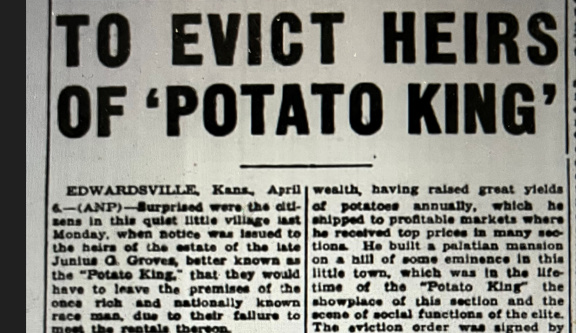
Cultivating History Pt. 3: Business Success Breeds Resentment
Junius Groves had built a potato empire by 1907, when educator Booker T. Washington showcased his success in his book, “The Negro in Business.” Groves then was shipping potatoes across North America while also importing what Washington called “fancy seed potatoes” from distant states. “He would get seed potatoes from Idaho and other places, and…
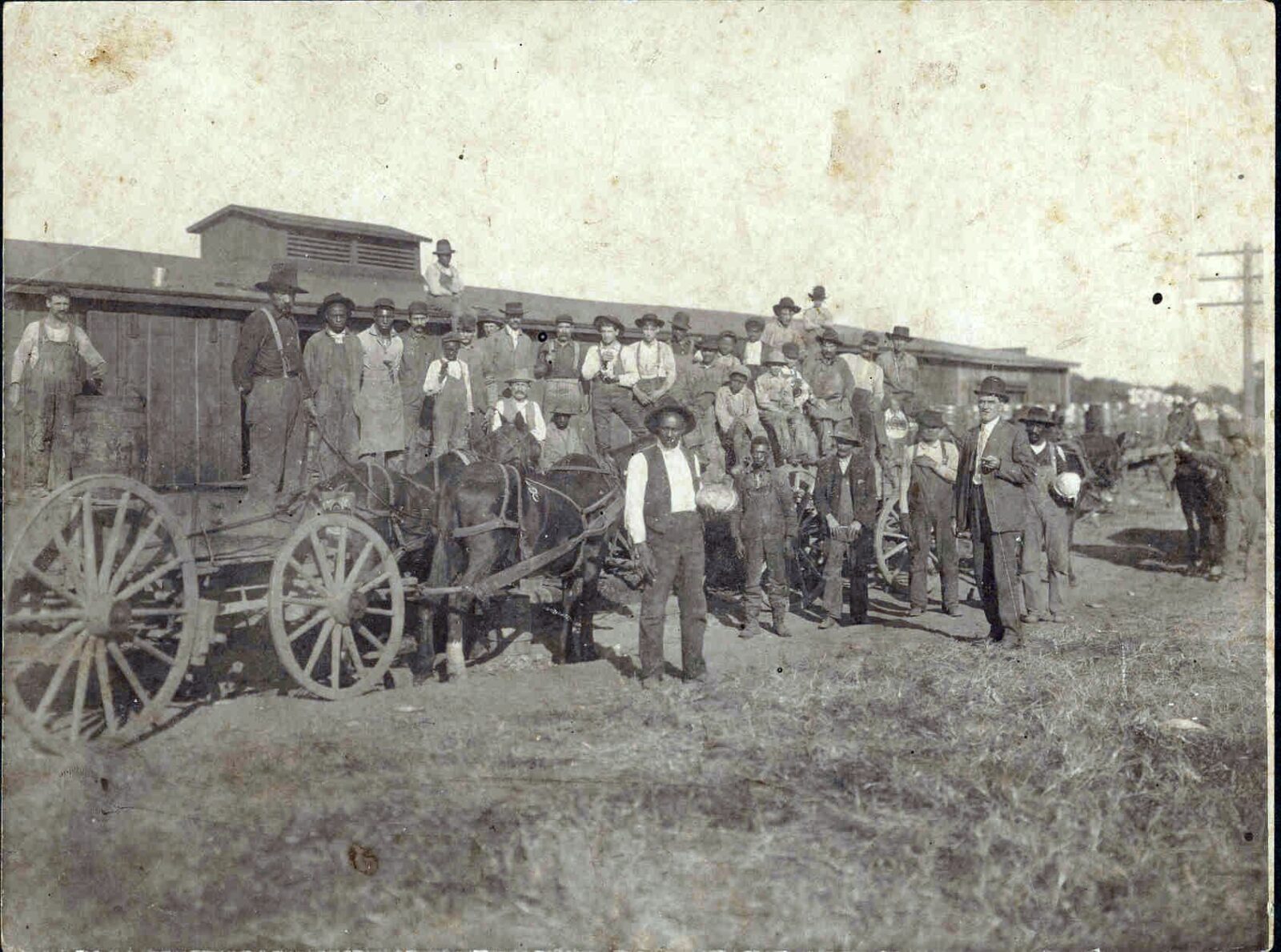
Cultivating History Pt. 2: ‘Potato King’ Thrives Amid Racism
While Kansas would prove friendly to potato growers like Junius Groves, it would not be quite the “free state” envisioned by Exodusters, the African Americans who, following the end of Reconstruction, considered their prospects more promising in the North. “It was about the same time when the Exodusters arrived in Kansas that the state Legislature…
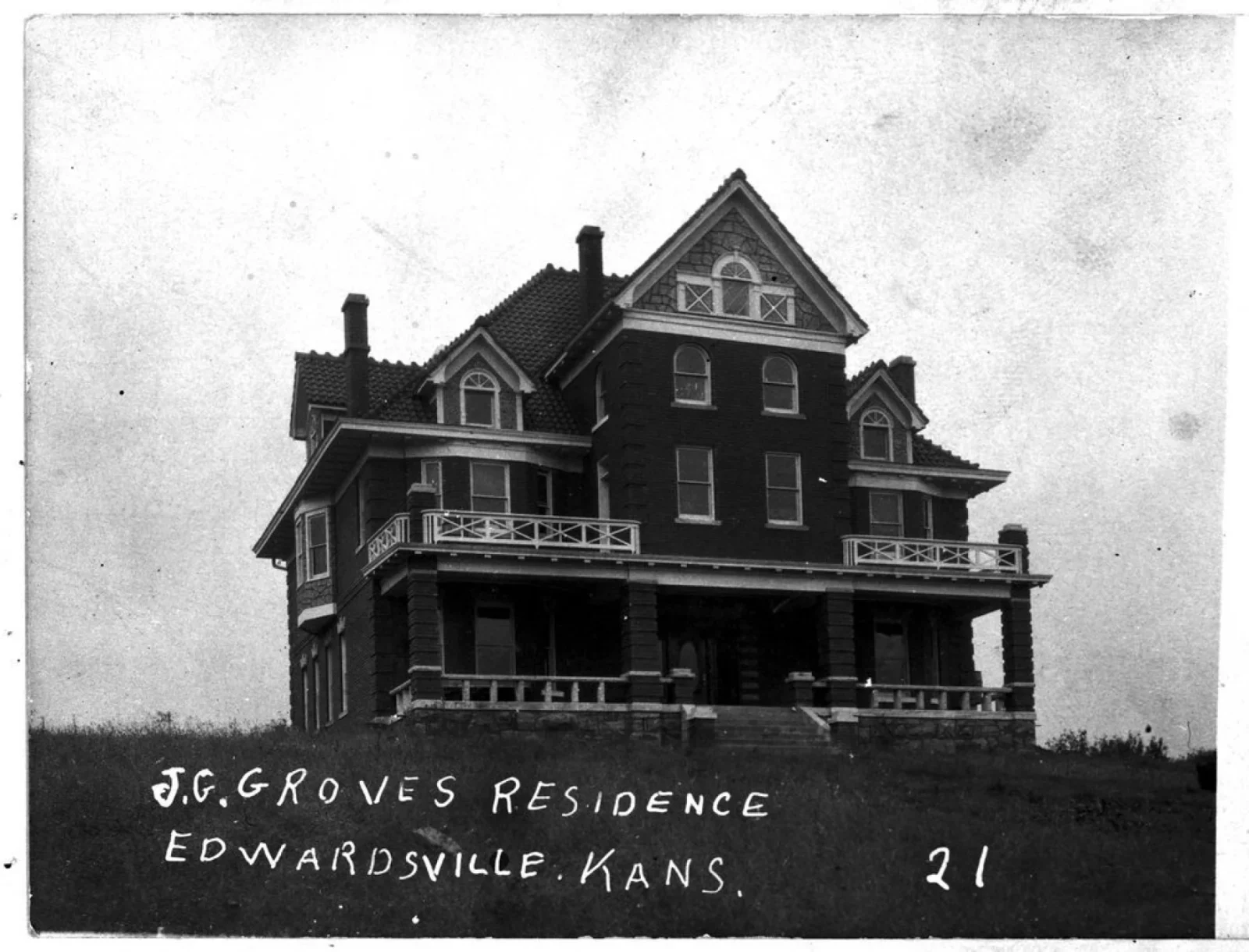
Cultivating History Pt. 1: ‘Potato King’ Earning New Renown
Junius G. Groves is having a moment. Community knowledge of the African American potato farmer, who died 100 years ago this August, is growing after largely having vanished from the collective memory of Kansas, where he arrived carrying 90 cents in 1879. A new documentary, “The Potato King,” directed by filmmaker Jacob Handy, premiers Thursday…

A Black Friday Romp Through the Metro’s Shoplifting History
Not long ago a woman walked into an Oak Park Mall bath and body store carrying two shopping bags. She lingered for two hours, examining the scented candles. Then the phone of Detective Byron Pierce of the Overland Park Police Department buzzed. The caller was an employee of the store. “Everything okay?” Pierce asked. No….