
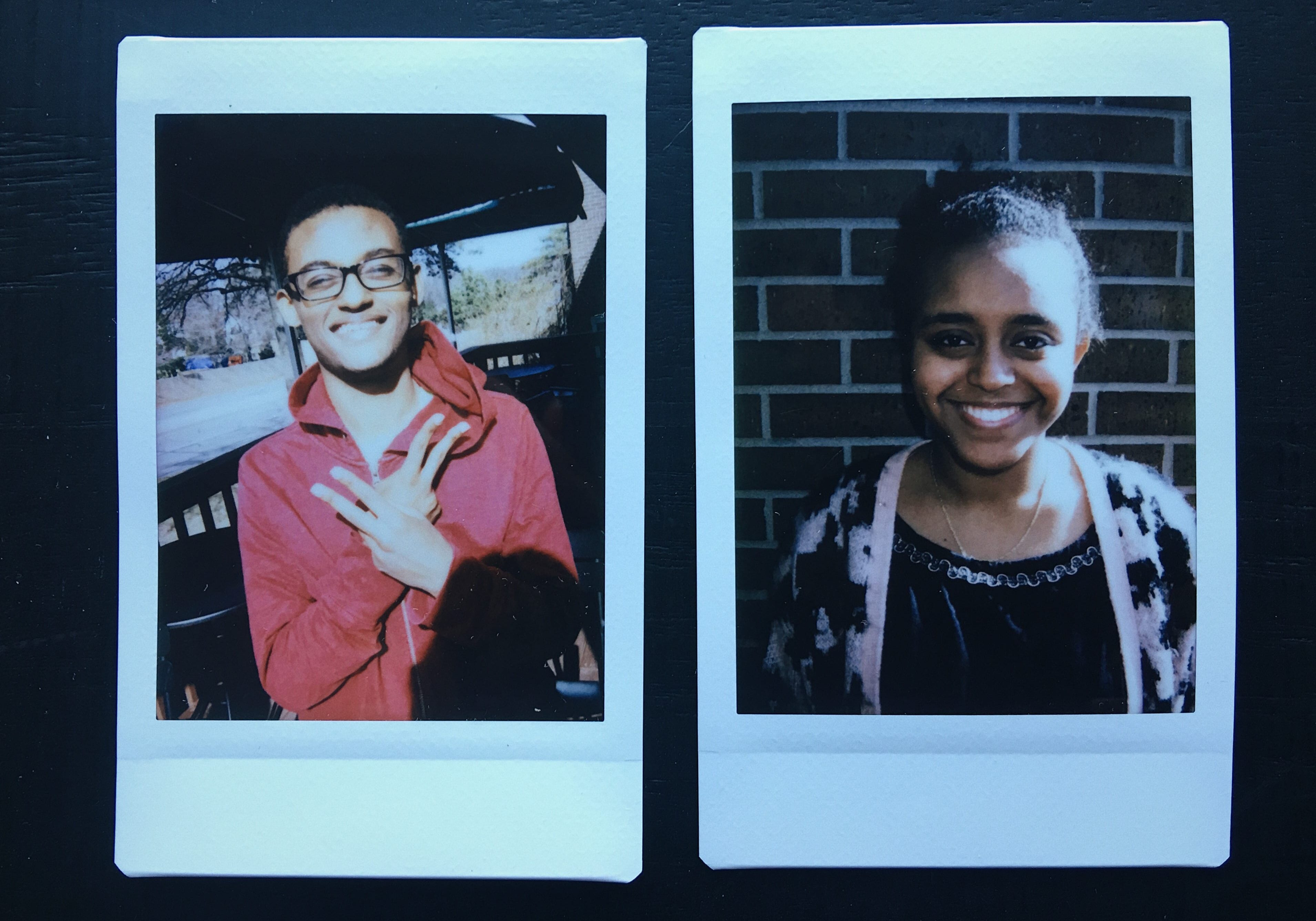
These vignettes are part of a collaboration between "Take Note: Our Schools. Our City. Our Future." and Johnson County Community College’s Advanced Reporting class. Reporting students, directed by Professor Mark Raduziner, interviewed and photographed their subjects, gathering stories from international and local students and families, and bringing perspectives from a wide range of voices.
The stories were edited by Raduziner and the Take Note team. Some names have been changed to protect identities.
The Fear of Separation
By Chris Roesel
Imagine a school environment where during recess the children talk about what they will do if their parents disappear.
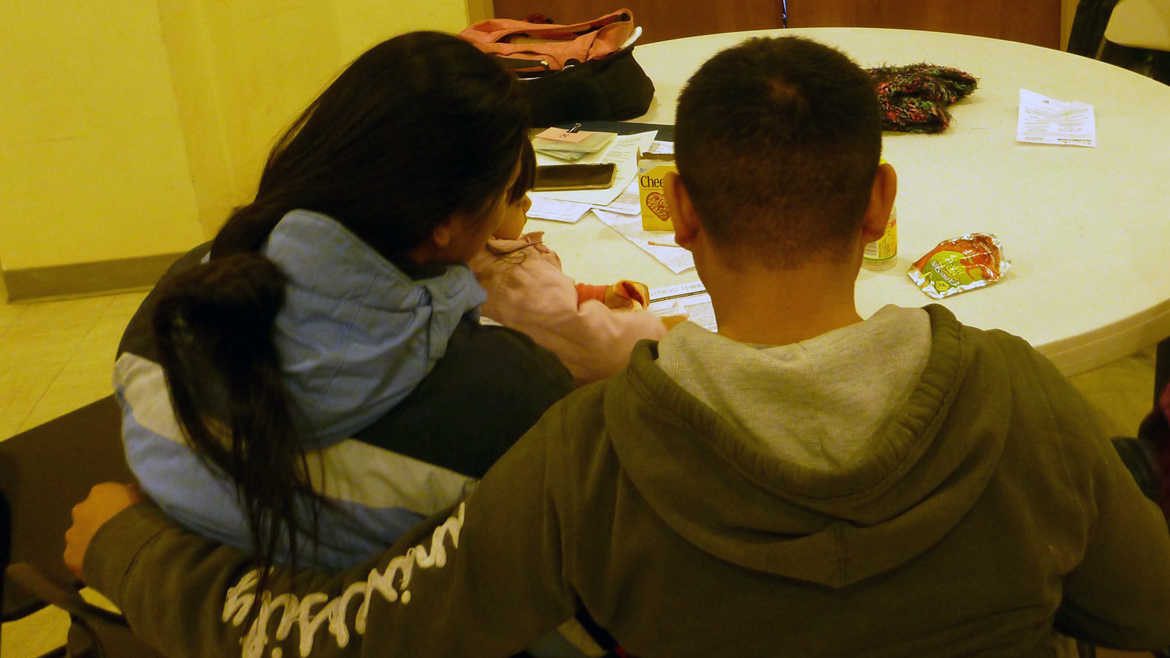
“Our worry is that one of us, or both of us, are arrested by Immigration. What will happen to our daughters?” Leonardo Franco asks. “If we go together, that’s fine. But they don’t have family here.”
His children, Violeta and Rosa, are citizens, but he and his wife are undocumented immigrants in Kansas City.
Violeta has been anxious since the November election, her mother, Alejandra, said. The first-grader talks with her classmates about what they will do if their parents are arrested and deported, and how they will remain a family.
“She asks us what is going to happen to us. Are we going to Mexico? What will happen afterward to her? In her mind, she is a citizen. She belongs in this country. She feels the fear of separation, separation from the family,” Alejandra said.
A 2012 Pew Research Center survey found around 75,000 Kansans were undocumented immigrants.

Foreign-born and Hopeful
By Rebekah Lodos
Nineteen year old Hosanna Girma and her 17-year-old brother, Yohannes, say they have never fit neatly into a category. Classmates often assume they’re African American, though they were born in Ethiopia. Many of their Shawnee Mission School District friends are affluent, while their dad — who used to be a mining engineer — drives a truck, and there was a time not so long ago that they were relegated to an English Language Learner class they could pass with ease. But one word can be applied to the siblings, who came to the United States as asylum seekers as children – optimistic.
“I still have that hope, because it was… worse in Ethiopia,” says Yohannes. “And I’m grateful every day that I’m here.”
The Ethiopian school system was authoritarian and narrow in its options, they say. Here, opportunities are ample.
“You have freedom of choice,” says Hosanna. “I took photography and art classes that would probably never be offered if I was in Ethiopia.”
Hosanna joined a chapter of Business Professionals of America in high school and won second place in a regional competition for her proposal to build a company around the gluten-free grain teff. She wants to build a business that invests in technological innovation for developing nations.
Yohannes, who plays soccer at Shawnee Mission Northwest High School, aspires to become an architect or computer programmer.
Despite national tension over immigration, Hosanna is hopeful about her and her brother’s future.
“My parents, when they came here, it was all for us. And my mom gets really worried, especially when she hears… about the ban and everything but… I’m not defeated by what’s been happening… I don’t think that’s going to hinder me from doing what I want to do and study what I want to study.”
Alternative Education for Homeless Teens
By Ellen Terhune
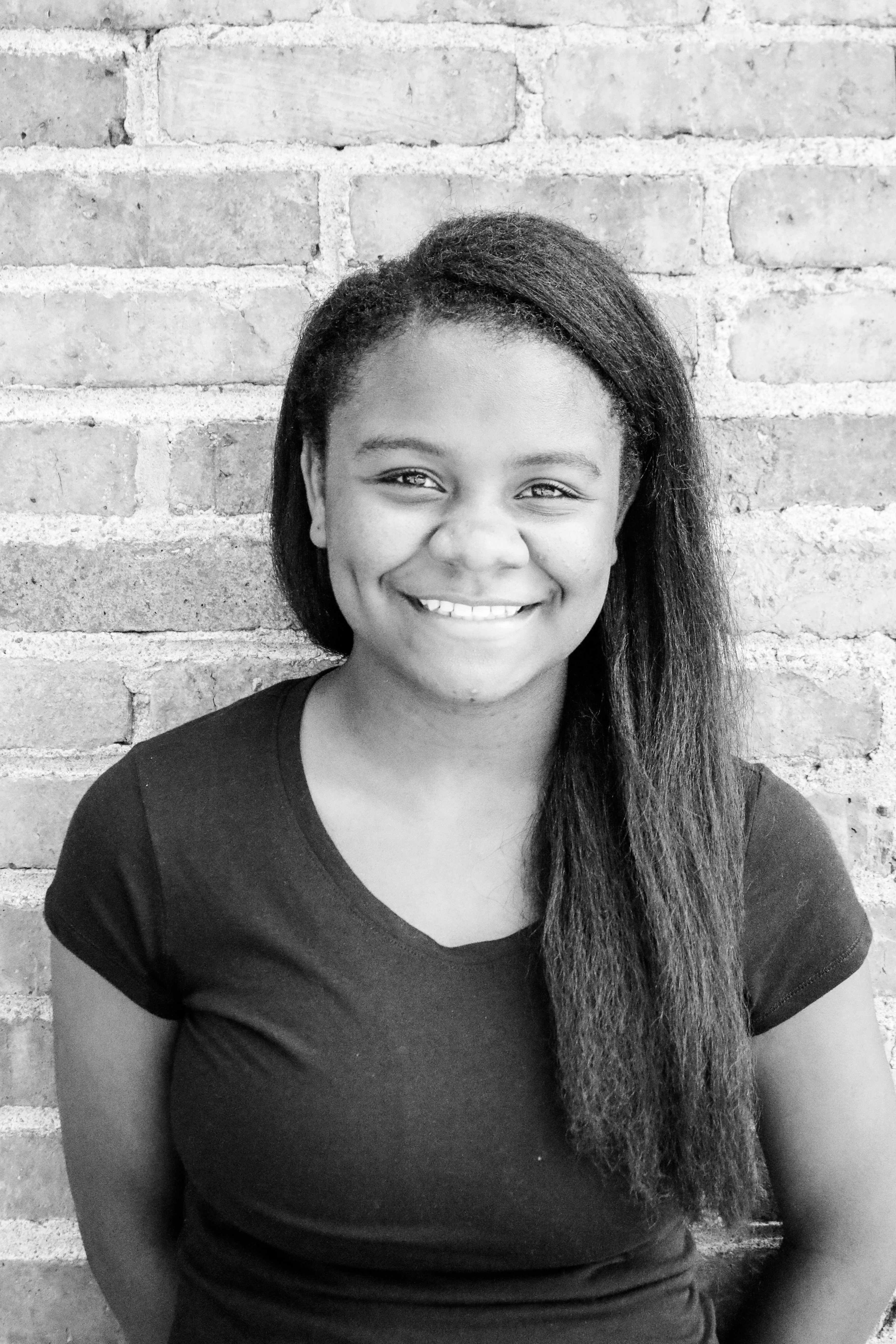
Within the confines of a vacant doorway, dimly illuminated by slivers of moonlight and street lamps, a teenager tries to get a good night’s sleep before another day of school. For an estimated 2,000 youth in the Kansas City metropolitan area, this scenario is a reality. Sixteen year old Marjai is one of those youth.
“I grew up in a really bad neighborhood and got tossed back and forth between my mom’s house and my dad’s house. When I finally spoke up that my dad was hurting me, I ended up in shelters for two years.”
During those two years, she was introduced to HALO, a non-profit organization which provides housing, healing and education to at-risk and homeless children.
“School alone can’t give these kids all the individualized instruction they need,” said Program Facilitator Aubony Chalfant. “At HALO, they have the opportunity to get that one on one attention so they can see how the skills they learn are implemented in everyday life.”
Despite the difficulties Marjai faces, she remains positive and resilient, offering advice to other teens in positions of homelessness, neglect and abuse.
“It’s all temporary; the feeling of hopelessness and having nowhere to go. You may not have a home now, but I promise, you will see better days.”
Marjai was recently one of 25 area high school students to attend Upward Bound, a six-week summer camp at Northwest Missouri State University, aimed at providing tutoring and college experience for teens.
“I’ve come too far not to go to college,” Marjai said.
Increased Standards Bring Changes to College Credit Courses for Teachers
By Sam Stueve
College Now, a way to earn college credit while in high school, is facing a new credential policy that changes the requirements for high school teachers.
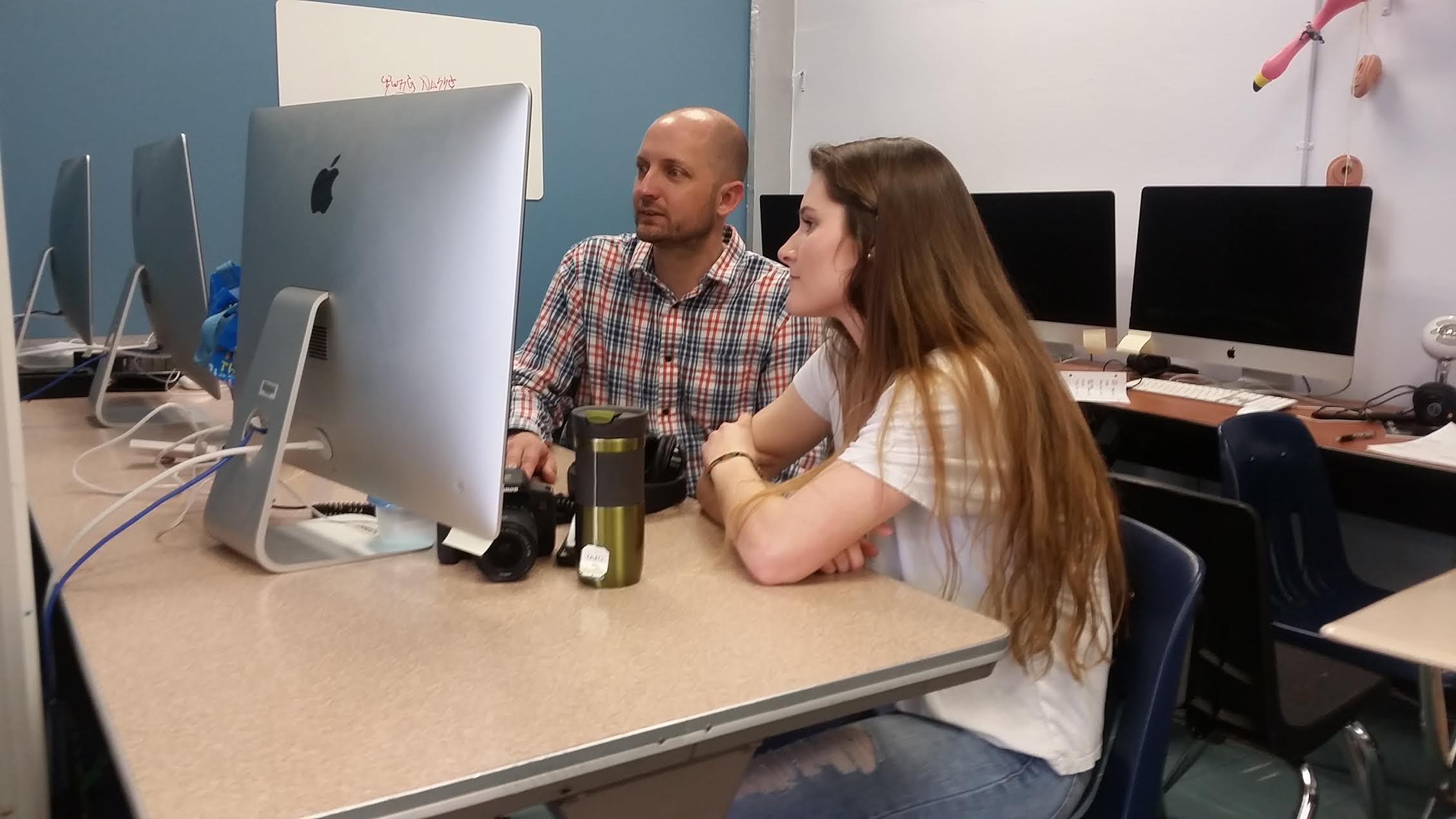
“It’s a great pathway to college and letting [students] knock out some credits in high school before moving on,” said Travis Gatewood, a College Now teacher at Shawnee Mission South High School in Overland Park, Kansas.
Gatewood teaches Johnson County Community College’s Basic Video Production course through the College Now program to his high school students.
During last fall semester, nearly 4,000 Johnson County students were enrolled in College Now through JCCC. Now, some high school teachers are at risk of losing their accreditation from the Higher Learning Commission, the governing body for College Now.
Last year, the commission passed a policy requiring all professors teaching college level classes to have a minimum 18 hours of master’s credit within their field of teaching. Some high school teachers, including Gatewood, do not meet this requirement. Teachers are given the option to create a five-year plan to achieve the hours required for the accreditation.
“Right now, I am not planning on [getting the accreditation],” Gatewood said. He holds a department chair position, teaches six classes, advises two clubs and balances a family life. He says he doesn’t see a way to fit additional schooling into his schedule.
— Follow "Take Note: Our City. Our Schools. Our Future" as together, we tell the stories that matter, the stories that make an impact. We want to know — what stories do you have for us, and what can we find out for you? Email us at contact@takenotekc.org and follow the entire project at takenotekc.org.

Reading these stories is free, but telling them is not. Start your monthly gift now to support Flatland’s community-focused reporting.
Related Stories
Nick’s Picks | Roads, Bathrooms, Costco and More …
New Toll Road Opens Kansas City’s first toll road opens this week. Starting Saturday, you’ll pay up to $3.50 to travel the new express lanes on U.S. Highway 69 from 103rd to 151st streets in Overland Park. There are no toll booths — cameras scan your license plate, and a bill arrives by mail. KTAG…
Up From the Ashes: Warwick Theatre Revival Draws Applause
Two years ago, John Cleary met a fellow Kansas City actor for drinks. Their conversation centered on the fate of the Metropolitan Ensemble Theatre. A large portion of the ensemble’s home, the Warwick Theatre, was ash, charred timbers and soot-saturated costumes and props — remnants from a recent massive fire. The destruction was so great…

Nick’s Picks | Baseball, Drones, Romance and More …
Royals Reveal Next week, the Kansas City Royals head to Arizona for Spring Training. And that’s the mayor’s self-imposed deadline to lock in a stadium deal. So, is this finally the week owner John Sherman steps to the plate and unveils where the Royals will build their next home? At last week’s council meeting, Mayor…