
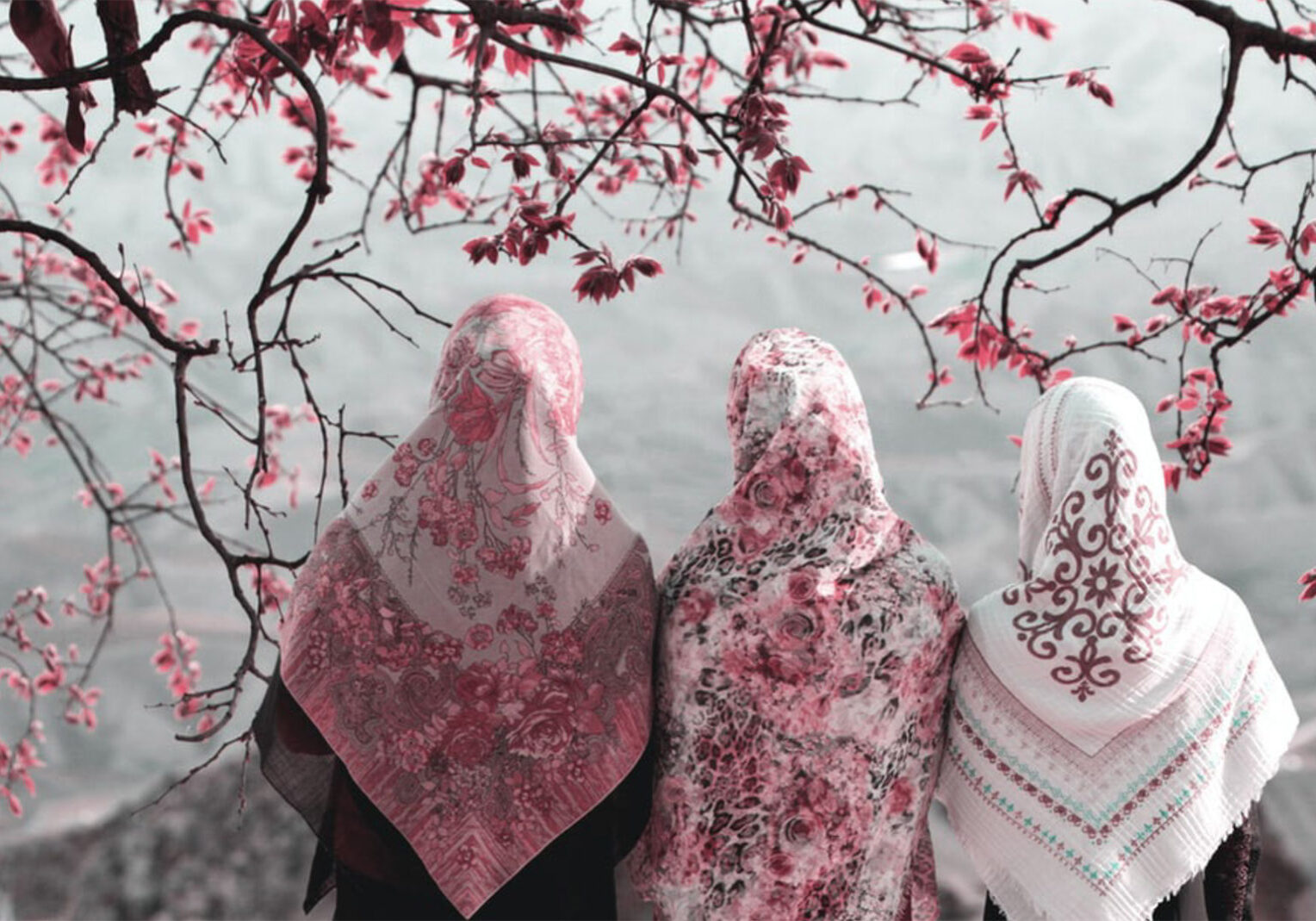
This year, like almost everything, Ramadan looks and feels different than in years past.
At dusk on April 23, Muslims around the world and in Kansas City began the month-long spiritual practice of fasting. Every day, they refrain from eating, drinking and other activities from dawn to dusk. And once the sun sets, it’s time for iftar – the meal that breaks the fast.
Odd-numbered nights during the last 10 days of Ramadan are religiously significant because they represent the nights of decree, power, value, destiny and measures.
“It marks the night in which Quran was first revealed to the Prophet Muhammad by Allah. Muslims regard this as the most important event in history,” said Dr. Hibba Haider, who is the vice president of the Crescent Peace Society, an interfaith organization in Kansas City.
For the Muslim community, the month of Ramadan is one of the most important and social times of the year where families and friends meet to break the fast, pray together and do charity work. But since the COVID-19 pandemic, many have had to turn to virtual gatherings on FaceTime, Zoom and YouTube.
In this special project, three households in the Kansas City area share, in their own voices, what they have been doing to observe the month-long practice of prayer, fasting and community while at home.
Mahnaz Shabbir

Mahnaz Shabbir, a recent guest on The Filter podcast, has been doing virtual hangouts with her children and grandchildren, as well as virtual Ramadan with area residents. Shabbir is a consultant and adjunct at Avila University and has joined in on virtual Ramadan sessions and panel discussions, like this one:
Listen to her interview in the podcast episode here.
Aisha Sharif
Aisha Sharif, poet and lecturer, says Ramadan during a quarantine has been one of reflection. This year, she ordered decorations, focused on self-care and has made more time to teach her young children about Islam.
Here’s her voice memo where she explains what spirituality and faith means to her:


“One positive (of the quarantine) is that it has allowed me to integrate more awareness of religion at home, which I realized I hadn’t been doing,” Kahn said in an interview. “In light of Ramadan, and taking care of others, I am actually an introverted person so I’ve been giving myself grace. I’ve been more focused on the internal.”
Hibba Haider
Hibba Haider, a pediatrician with the Health Partnership Clinic and vice president of the Crescent Peace Society, has had to juggle being a worker in the medical field in the midst of the pandemic. Haider shared her personal thoughts on what this time has felt like for her and the lessons learned so far in this voice memo:

Zaina Haider (left) with her father and mother in their home during Iftar. (Contributed) 
The Haider family’s iftar meal usually consists of dates, a traditional fruit medley – called fruit chat – with an herbal drink called Rooh Afza mixed in water or milk, lassi a yogurt drink, assorted vegetable fritters, lentil dumplings in yogurt followed by a light dinner if appetite allows. (Contributed) 
Hibba Haider is flanked by her two daughters. On the left is 11-year-old Zaina and to the right, 16-year-old Zoha. (Contributed)
Haider’s two daughters also participated in this project, sharing how they are feeling unable to participate in the long-held traditions they’ve engaged in every year.
The eldest daughter, Zoha Haider, is 16 years old. Listen to what life is like for her here:
The youngest daughter, Zaina Haider, is 11 years old. She shared a short video of what she misses most:
Reading these stories is free, but telling them is not. Start your monthly gift now to support Flatland’s community-focused reporting.

Related Stories
Up From the Ashes: Warwick Theatre Revival Draws Applause
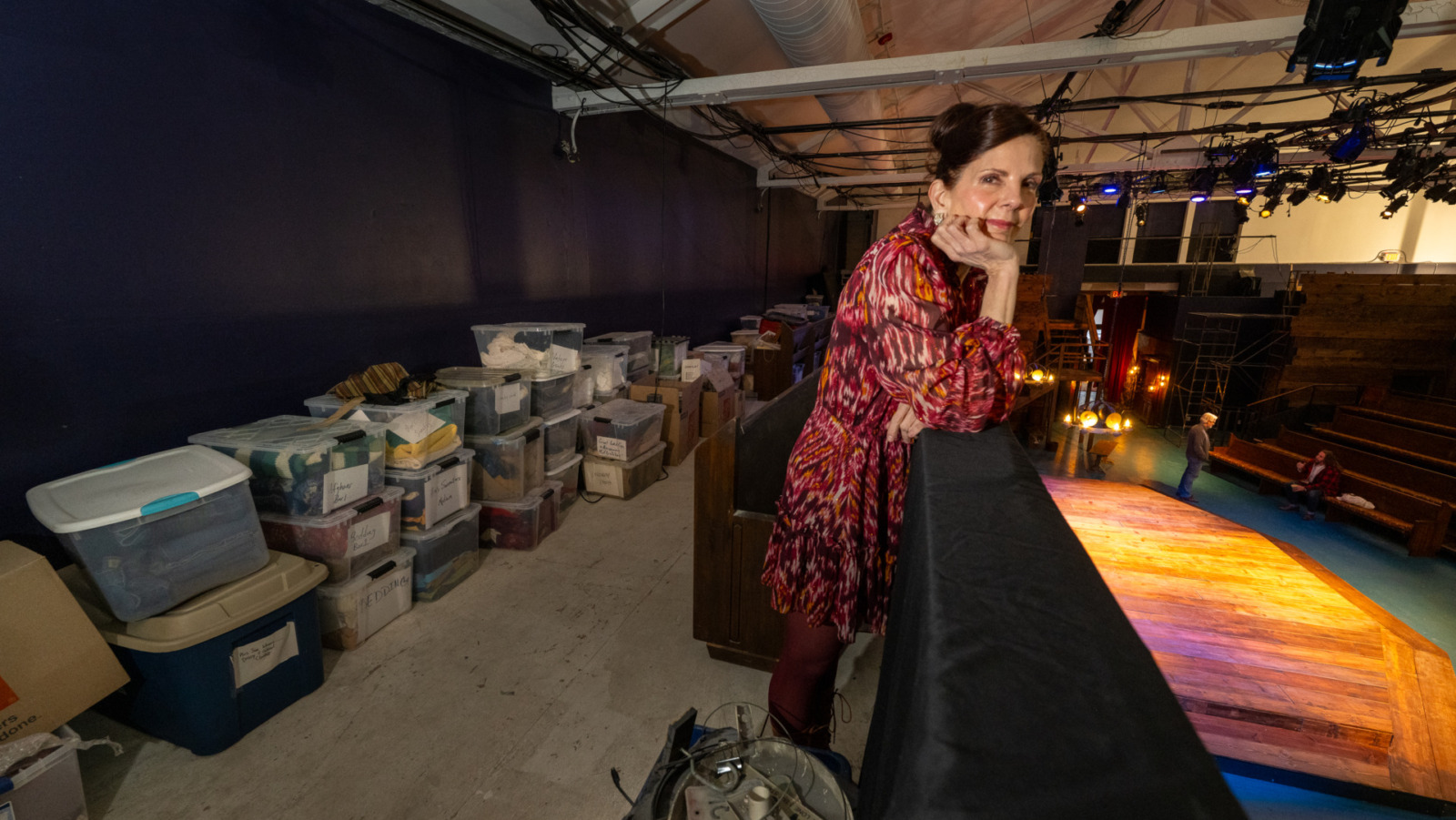
Two years ago, John Cleary met a fellow Kansas City actor for drinks. Their conversation centered on the fate of the Metropolitan Ensemble Theatre. A large portion of the ensemble’s home, the Warwick Theatre, was ash, charred timbers and soot-saturated costumes and props — remnants from a recent massive fire. The destruction was so great…
History of Persecution Binds Black, Jewish Communities
Kansas City icon Alvin Brooks knows more about the Civil Rights Movement here than almost anyone alive. And Brooks, former Kansas City mayor pro tempore, insists that progress for Blacks here would have been much more difficult without the consistent and persistent help of Jewish residents and leaders. “Jews in this community and across the…

Tackling the Scourge of Christian Nationalism
In recent decades, Christian Nationalism’s warped ideas have begun to attract the attention of scholars and teachers at universities and seminaries here in the Heartland. They’re trying to understand both its appeal and its dangers and to give students the tools necessary to make their own judgments about whether it’s good old basic Americanism or,…