
Next Kansas City Mayor Needs to Keep the Line Moving Downtown
March 28, 2019 | | 4 min read
COMMENTARY
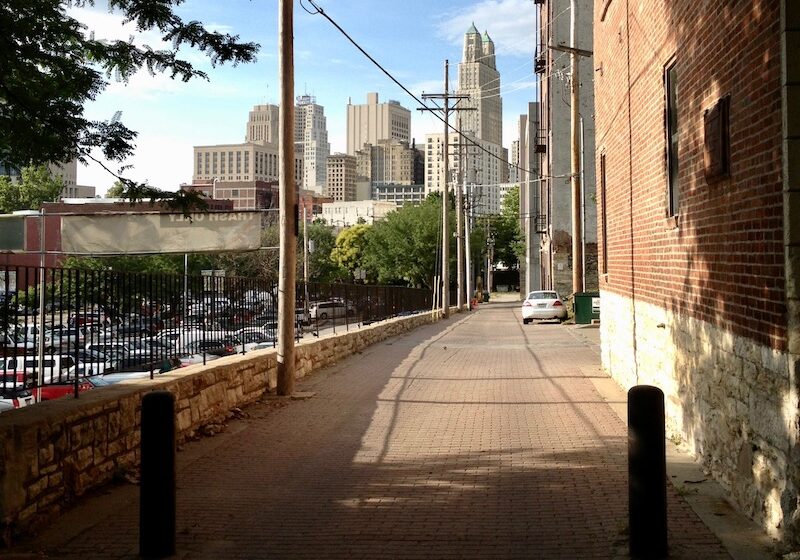
After decades of neglect, downtown is relevant again to the metro and that’s vital not only for the well-being of our city as it competes nationally for talent and investment, but for its nearby neighborhoods as well, particularly the East Side.
Back in 2002, when The Kansas City Star, did an important series on downtown revitalization called “Mending Our Broken Heart,” a scientific poll found about half the residents of the metropolitan area hadn’t been downtown in years.
From the look of the crowds attending the Big 12 Tournament a couple weeks ago, and the throngs coming to First Fridays or residents moving into the thousands of new apartments, that sad state of affairs has changed significantly.
But anybody who’s visited peer cities such as Denver, Minneapolis, Indianapolis, Austin or Nashville knows that while our downtown finally is back in the game, it’s still lagging.
That’s why next Tuesday’s mayoral primary election is vital to continue the momentum. CityScene KC is not going to endorse a candidate, but it does have some things to say about what’s needed in the next mayor.
First and foremost, we need to elect a mayor who does not buy into the divisive and toxic notion taken hold among some critics that’s what is good for downtown is bad for the East Side.
Economic development is not a zero sum game and development, particularly the revival of Troost, doesn’t equal gentrification.
The bottom line: a thriving downtown creates jobs that are accessible to people living in nearby city neighborhoods.
All you need to do is look at a Kansas City bus map and you can see quickly downtown is the best bet for creating employment opportunities that don’t require spending half your income on gas to reach.

Kansas City Area Transportation Authority bus route map shows its downtown focus.
The new Loews Kansas City Convention Hotel alone will create almost 650 permanent jobs when it opens in 2020, many of them entry level positions. The booming Hospital Hill healthcare complex draws 13,000 employees, students and faculty.
And that Hospital Hill growth is spurring a big ripple of redevelopment along the adjoining Troost corridor, with 1,000 apartment units either completed or in the works along the stretch from 27th Street to Armour Boulevard.
Whoever is elected our mayor needs to, as the winning Royals put it a couple years ago, keep the line moving.
That means continuing to push hard attracting more investment downtown, particularly job-creating employers. More housing is needed too, with a percentage set aside as affordable–if we can ever define what that means.
Which leads to another quality important for the next mayor, a smart, judicious approach to the use of tax incentives.
There is a destructive myth, perpetuated either willfully or ignorantly by critics, that tax incentives are hard cash coming from the city treasury and/or money being taken from schools and libraries. It’s not.
Tax incentives are generated by the new revenues that would not have existed without a private developer investing in a project. That property continues to pay the same amount of taxes to the city, schools, libraries etc. as it did before.
In return, a blighted building or a vacant lot that was dragging down property values and a security hazard is returned to useful, productive life. Leaving it abandoned by denying incentives will do nothing to push reinvestment to the East Side.
Believe it or not, there were some people who’d rather see a parking lot continue to pay $52 per year in property taxes than have it replaced by a $38 million hotel that will employ 40 people and accommodate visitors who’ll patronize downtown businesses.
Last but not least, after observing what it takes to succeed as a mayor in Kansas City, one thing is certain, you have to be very good at creating a consensus to lead. That’s why former Mayor Kay Barnes was so successful.
Kansas City, for a lot of historic reasons, many of them now woefully outdated, has done a mighty job of hobbling strong mayoral leadership at City Hall.
The current weak-mayor system, where the mayor’s vote has no more clout than 12 other council members, is coupled with a city manager who actually runs the show. Power is diluted further by having independent parks and police departments.
Excellent interpersonal skills and being able to articulate your vision and excite people about it are essential to guiding our city. A little charisma helps too, as evidenced by our outgoing Mayor Sly James.
CityScene KC has invited the mayoral candidates for their opinions on downtown. You can read them here: Jermaine Reed, Jolie Justus, Steve Miller, Scott Taylor, Alissia Canady, Scott Wagner and Phil Glynn.

Reading these stories is free, but telling them is not. Start your monthly gift now to support Flatland’s community-focused reporting.
Related Stories
Nick’s Picks | Roads, Bathrooms, Costco and More …
New Toll Road Opens Kansas City’s first toll road opens this week. Starting Saturday, you’ll pay up to $3.50 to travel the new express lanes on U.S. Highway 69 from 103rd to 151st streets in Overland Park. There are no toll booths — cameras scan your license plate, and a bill arrives by mail. KTAG…
Up From the Ashes: Warwick Theatre Revival Draws Applause
Two years ago, John Cleary met a fellow Kansas City actor for drinks. Their conversation centered on the fate of the Metropolitan Ensemble Theatre. A large portion of the ensemble’s home, the Warwick Theatre, was ash, charred timbers and soot-saturated costumes and props — remnants from a recent massive fire. The destruction was so great…
Nick’s Picks | Baseball, Drones, Romance and More …
Royals Reveal Next week, the Kansas City Royals head to Arizona for Spring Training. And that’s the mayor’s self-imposed deadline to lock in a stadium deal. So, is this finally the week owner John Sherman steps to the plate and unveils where the Royals will build their next home? At last week’s council meeting, Mayor…