
Missouri Senate Approves Eminent Domain Reform that Wouldn’t Kill Grain Belt Express
May 5, 2022 | Allison Kite | 4 min read
A years-long effort to halt development of a massive electrical transmission line across Missouri gave way early Thursday morning to a compromise bill endorsed by the energy company.
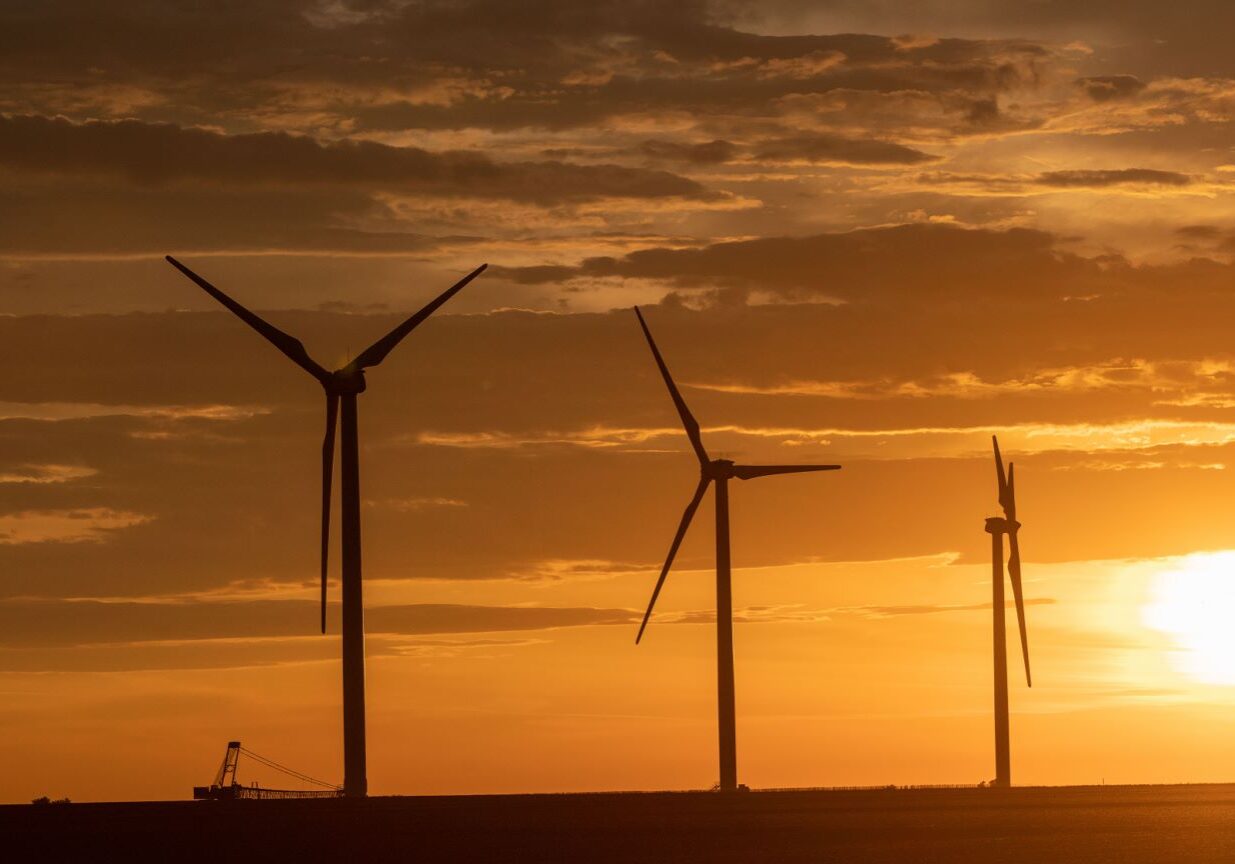
For years, Chicago-based Invenergy has been developing a 4,000 megawatt transmission line, called Grain Belt Express, expected to carry clean energy from southwest Kansas across Missouri and Illinois, ending at the Indiana border.
To do so, Invenergy needs easements on landowners’ property across eight counties in northern Missouri. It has obtained thousands of parcels through negotiations with landowners. But in the event landowners refuse to sell, it can take property through court proceedings and compensate them.
That right, known as eminent domain, has spurred backlash to the project and inspired legislation during the last several sessions of the Missouri General Assembly to kill the transmission line.
“I urge you just to put the landowners above the private profits of this company,” Marilyn O’Bannon, a Monroe County commissioners and landowner, told a House committee earlier this year.
In the early hours of Thursday morning, the Missouri Senate passed a version of eminent domain reform that proponents say would protect Missouri landowners’ property rights without killing Grain Belt Express.
Sen. Jason Bean, R-Holcomb, said after several years of eminent domain bills falling short, senators have a “workable piece of legislation”
The bill, he said, “keeps Missouri open for business while ensuring we aren’t taken advantage of simply because of our geographic location.”
Previous bills targeting Grain Belt most notably would have given county commissions, in essence, veto power over projects approved by the Missouri Public Service Commission. The bill senators passed Thursday morning would not.
The bill would, however, require that companies using eminent domain to construct electrical transmission lines compensate landowners 150% of the fair market value for easements on their land. It would require that developers start construction within seven years of getting easements; otherwise their rights to the property would expire. And it would require that court-appointed commissions tasked with determining the fair market value of a farmer’s land during eminent domain proceedings include a farmer who has lived in the area for at least a decade.
Finally, where previous versions of Grain Belt legislation have required that at least 50% of the power carried by a transmission line be dropped off for use by Missouri customers, this bill would require that transmission lines provide an amount of power to the state proportional to the length of the line running through Missouri.
“This isn’t a product that addresses each and every concern for all parties involved,” Bean said, “but is a good faith step in the right direction to ensure Missouri landowners remain whole and can operate without the looming threat of energy products negatively impacting their operation.”
The bill won an endorsement from Invenergy, which has vehemently opposed legislation more directly targeting its project. An attorney representing the company has repeatedly said in committee hearings that eminent domain legislation meant to kill Grain Belt was unconstitutional.
Nichole Luckey, senior vice president of regulatory affairs for Invenergy, called the bill a “win-win for Missourians.”
“We applaud Missouri lawmakers for bringing stakeholders together and forging this important compromise, which will benefit Missouri families, farmers, workers and businesses for decades to come,” Luckey said in a statement.
She said Grain Belt has “demonstrated our commitment to protecting landowners and property values through industry-leading standards.”
Because senators amended the bill, it must return to the House where representatives will either approve it or request a conference committee with senators to work out differences.
Allison Kite is a data reporter for the Missouri Independent, where this story first appeared, with a focus on the environment and agriculture.
Reading these stories is free, but telling them is not. Start your monthly gift now to support Flatland’s community-focused reporting.
Related Stories

Missouri Business Tests New Net to Catch Invasive Carp Leaping Out of Platte River
A little ripple tears through the muddy water. It’s small. It’s so small, in fact, that coupled with the regular movements of the river, you wouldn’t even notice it – unless you knew what to look for. Within seconds, a silver carp flies out of the water and launches itself several feet into the air….

Kansas City Exceeds Need for Electricians as Green Energy Grows
Naomi Alexander spent two years studying accounting at Missouri Southern State University before deciding it was not the right path for her. When her father, a lifelong sprinkler fitter, suggested she consider a trade career, he “lit a fire” in her, she said. After doing some research, Alexander enrolled in the Missouri Apprentice Ready Program,…
Trash to Treasure: Blue River Facility Will Turn Solid Waste into Natural Gas and Fertilizer
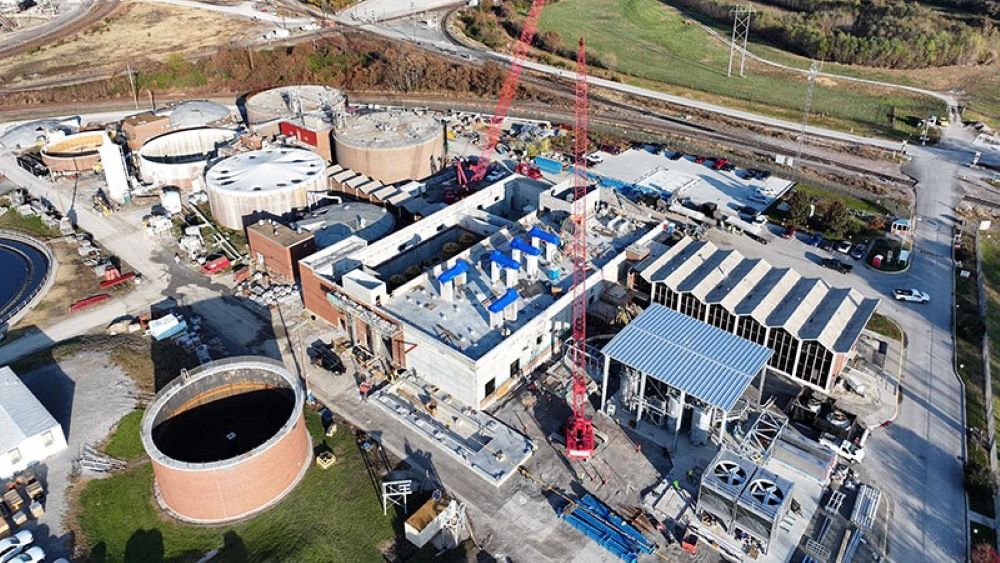
Kansas City is building a new $140 million Blue River Biosolids Facility designed to more efficiently convert solid waste into natural gas and fertilizer.