
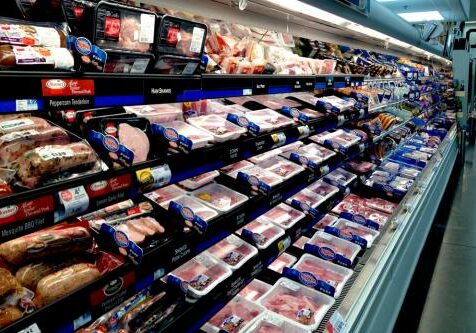
Canadian food safety officials have outpaced their U.S. counterparts in requiring meat companies to label meat that is potentially hazardous to consumers.
It’s called mechanically tenderized beef, and it has caused illnesses in the U.S., Canada and elsewhere.
And in most cases, consumers, restaurants and grocery stores had no idea they were buying it, because there was no requirement that the process be acknowledged on labels.
The process is problematic because automated needles or blades used by meat companies to tenderize tougher cuts of beef can also force pathogens, such as E. coli, into the interior of the meat.
Those pathogens could survive inside solid cuts of beef, such as steaks, because they are less likely to be fully cooked throughout.
Harvest Public Media, in a joint project with the Kansas City Star, reported on the process in December 2012, featuring the case of Margaret Lamkin, a Sioux City, Iowa, grandmother who was forced to wear a colostomy bag for the rest of her life after she ate a contaminated mechanically tenderized steak at a restaurant.
After Lamkin’s and other cases were publicized — and after a 3-year battle by consumer groups — the U.S. Department of Agriculture last year proposed requiring labels for the products.
Officials in Canada, where consumers have also been harmed by the products, required labeling on those cuts beginning Aug. 24 this year. The U.S. proposal is still wending its way through the federal bureaucracy here.
A spokesperson for the U.S. Department of Agriculture said last week that a revised labeling rule is now in “departmental clearance.” He said the department is hoping to submit the labeling rule for White House approval sometime over the next few weeks and publish it by the end of this calendar year.
Canadian officials said they found a five-fold increase in risk from mechanically tenderized beef when compared to intact cuts of beef.
Their labeling requirement applies to all industry sectors selling fresh or frozen MTB (mechanically tenderized beef) to other industry members or consumers in an uncooked, solid-cut form. It requires that the mechanical tenderization process be listed and that safe cooking instructions be included.
In the case of steak, the Canadians are requiring instructions on the label warning consumers to “turn steak over at least twice during cooking.”
It is unclear at this point what the final U.S. label might require once it is finalized.
However, the U.S. meat industry has gone on record to oppose such labeling. The American Meat Institute has said such labels could just end up confusing consumers.
Reading these stories is free, but telling them is not. Start your monthly gift now to support Flatland’s community-focused reporting.
Related Stories

1 year after GED changes: Kansas students lost in shuffle
The number of people who passed the GED exam in Kansas last year is the lowest it’s been in decades. And adult education centers, which for years have helped ensure that students are ready for the test, have been cut out of the process.
A beef over politics
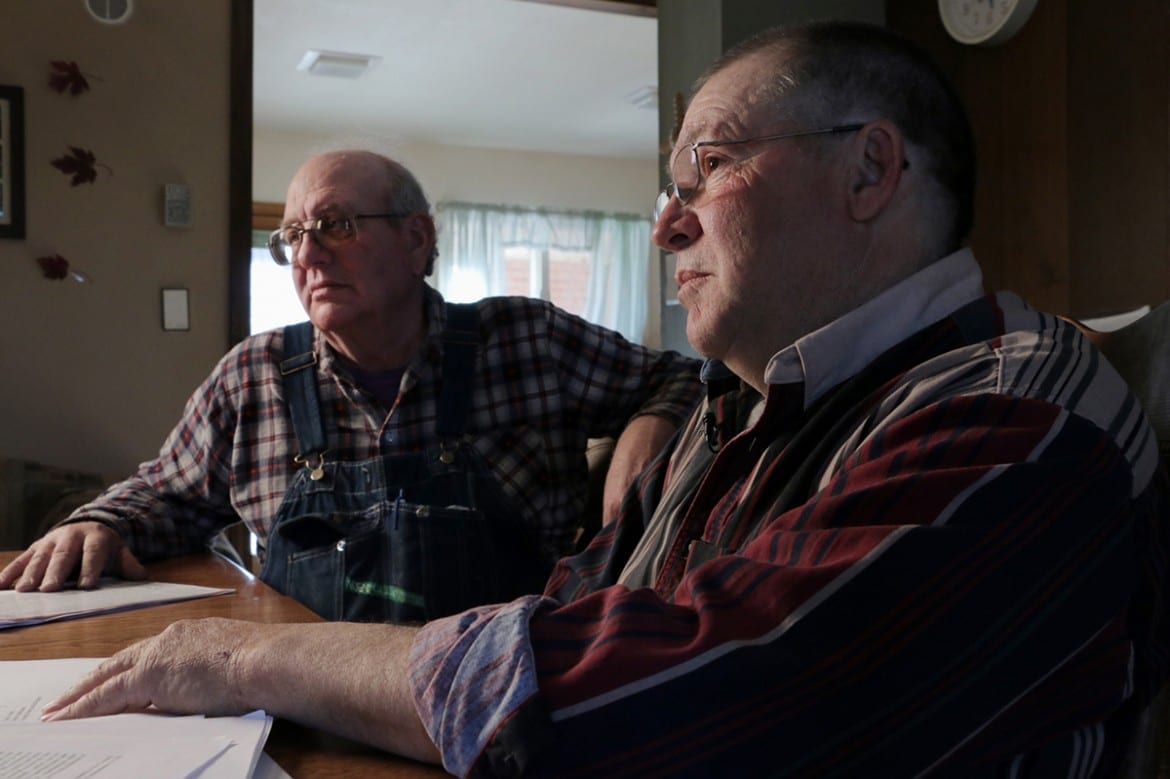
NEMAHA COUNTY, Kan. – From their small farms set in the rolling hills of northeast Kansas, two ranchers are raising a few cattle, and a lot of Cain. David Pfrang and Jim Dobbins turned themselves into activists, launched a shadow corporation, got hauled into federal court and had to hire a lawyer. All over $1….
Cold case: Who is the mystery man of KC’s Runway 1?
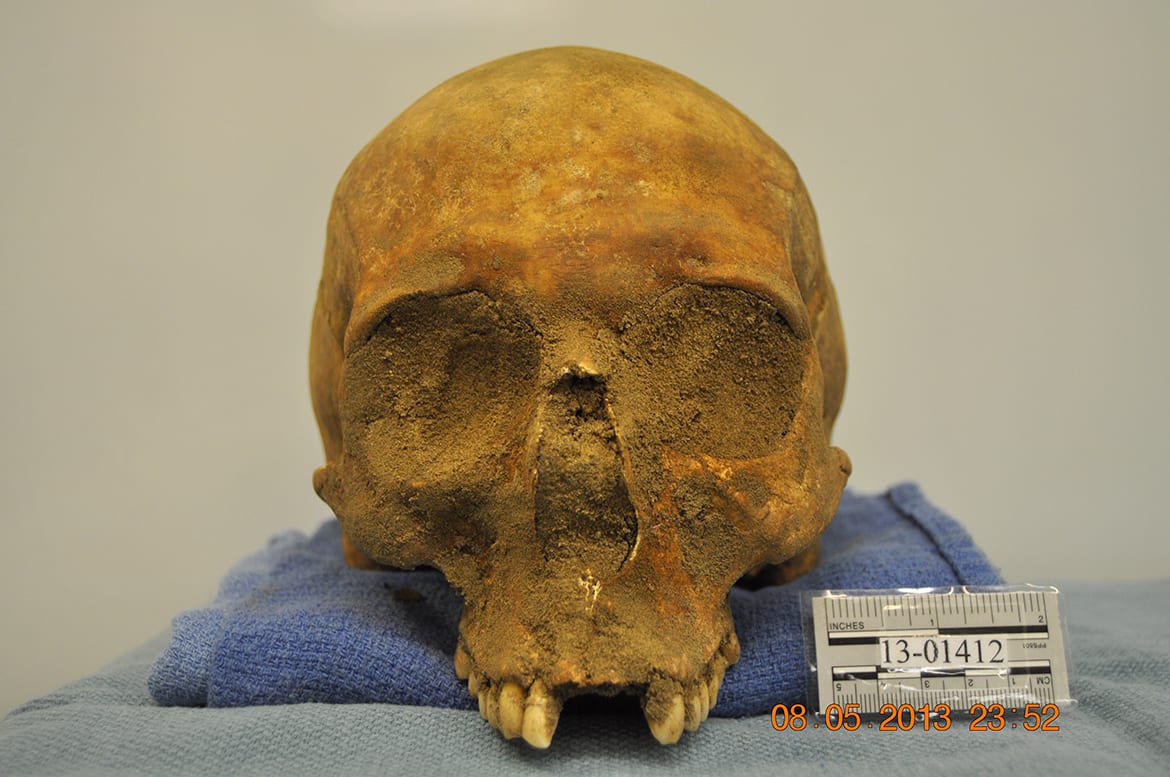
Skeletal remains found by a construction worker last summer at Wheeler Downtown Airport opened up one of Kansas City’s oldest unsolved mysteries. The Hale Center for Journalism’s Mike McGraw found that the more he investigates, the more unanswered questions emerge. Could authorities do more to unravel the mystery? It appears they may be poised to…