
Kansas City’s Surprising Connection to Japanese Internment Camps
May 12, 2021 | Catherine Hoffman | 1 min read
In the aftermath of the attack on Pearl Harbor, anti-Japanese hysteria gripped the United States.
Early in World War II, President Franklin D. Roosevelt signed Executive Order 9066 commanding that “all persons of Japanese ancestry” be moved into internment camps.
The U.S. the government called them “assembly centers.” But some historians now believe that “concentration camps” might have been more accurate.
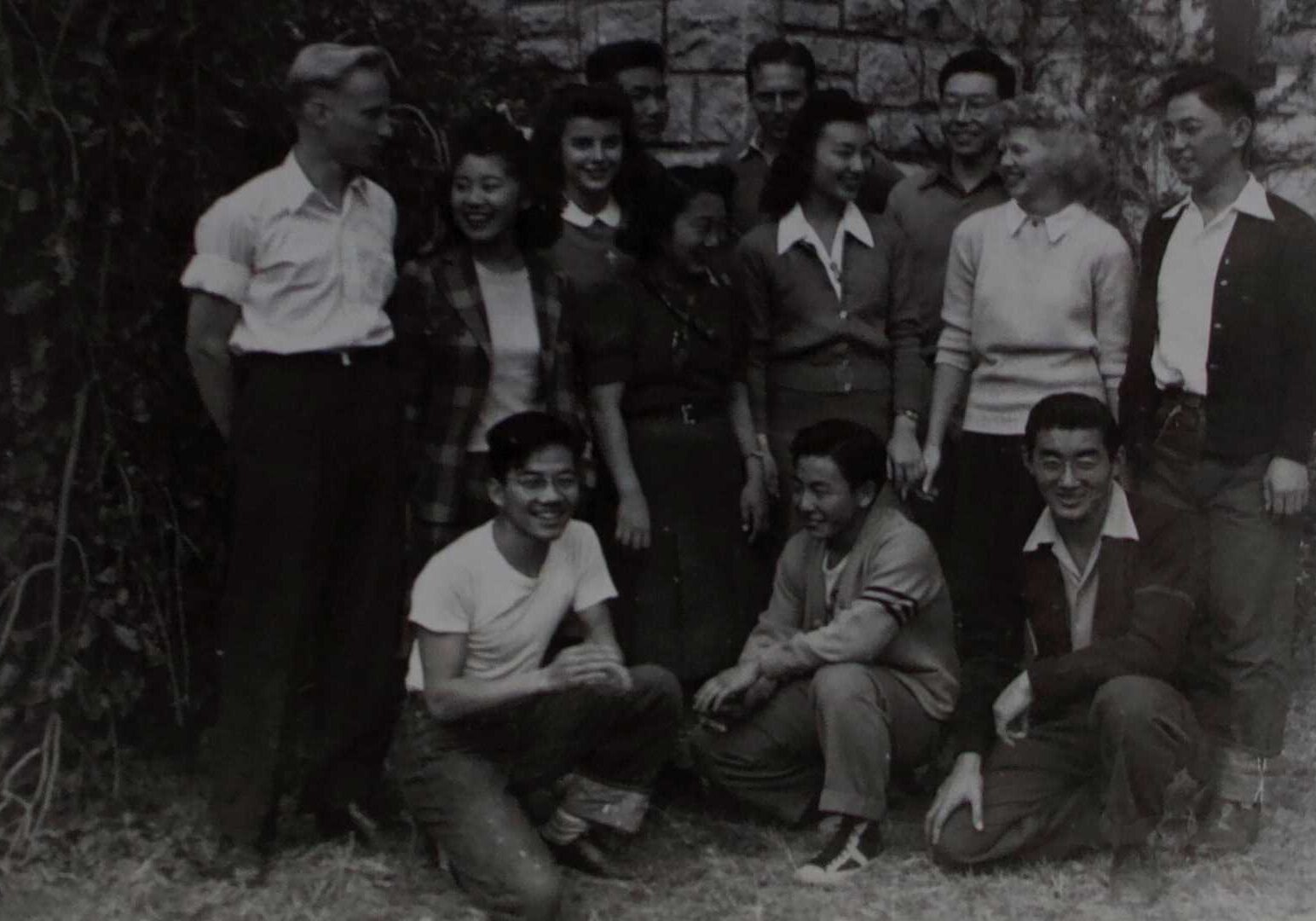
Although there weren’t any camps in the Midwest, a small group of college-aged Japanese American students from internment camps landed at Park College in 1942.
Watch the attached video to learn more about Japanese internment and its surprising connection to Missouri, and how that local history resonates amid the recent surge in anti-Asian hate crimes.
Catherine Hoffman covers community affairs and culture for Kansas City PBS in cooperation with Report for America.
Reading these stories is free, but telling them is not. Start your monthly gift now to support Flatland’s community-focused reporting.
Related Stories
Nick’s Picks | Veterans, Mission Gateway, Big Sonia and More …
Shutdown Deal on the Way Is America’s longest government shutdown about to end? It could be over by the end of the week, after a group of eight Democrats agree to join Senate Republicans in a vote to reopen the government, at least through January. The deal comes without a guaranteed extension of health care…
Two Documentaries In The Works About KC’s Historic Northeast
Those seeking to find Kansas City’s Italian-American community can start at Holy Rosary Catholic Church. Inside, at 526 Campbell St., stand statues of canonized historical figures — Frances Xavier Cabrini and Francis of Assisi among them — venerated by the immigrants who worshipped on this very spot upon their late-19th-century arrival. Inscribed on the walls…
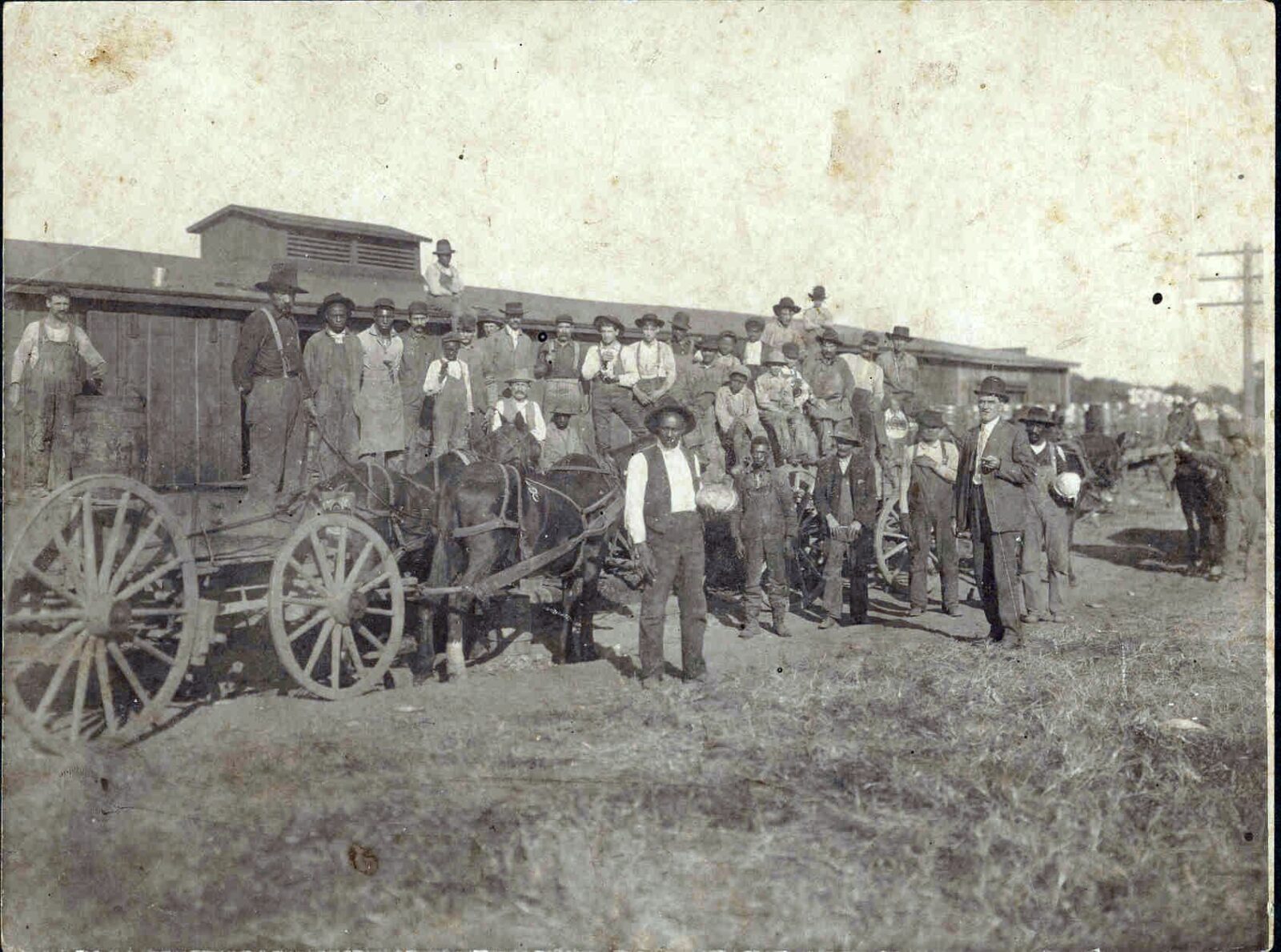
Cultivating History Pt. 2: ‘Potato King’ Thrives Amid Racism
While Kansas would prove friendly to potato growers like Junius Groves, it would not be quite the “free state” envisioned by Exodusters, the African Americans who, following the end of Reconstruction, considered their prospects more promising in the North. “It was about the same time when the Exodusters arrived in Kansas that the state Legislature…