
TURNEY, Missouri — Just a few miles down a winding road outside of Lathrop, Missouri, sits the village of Turney.
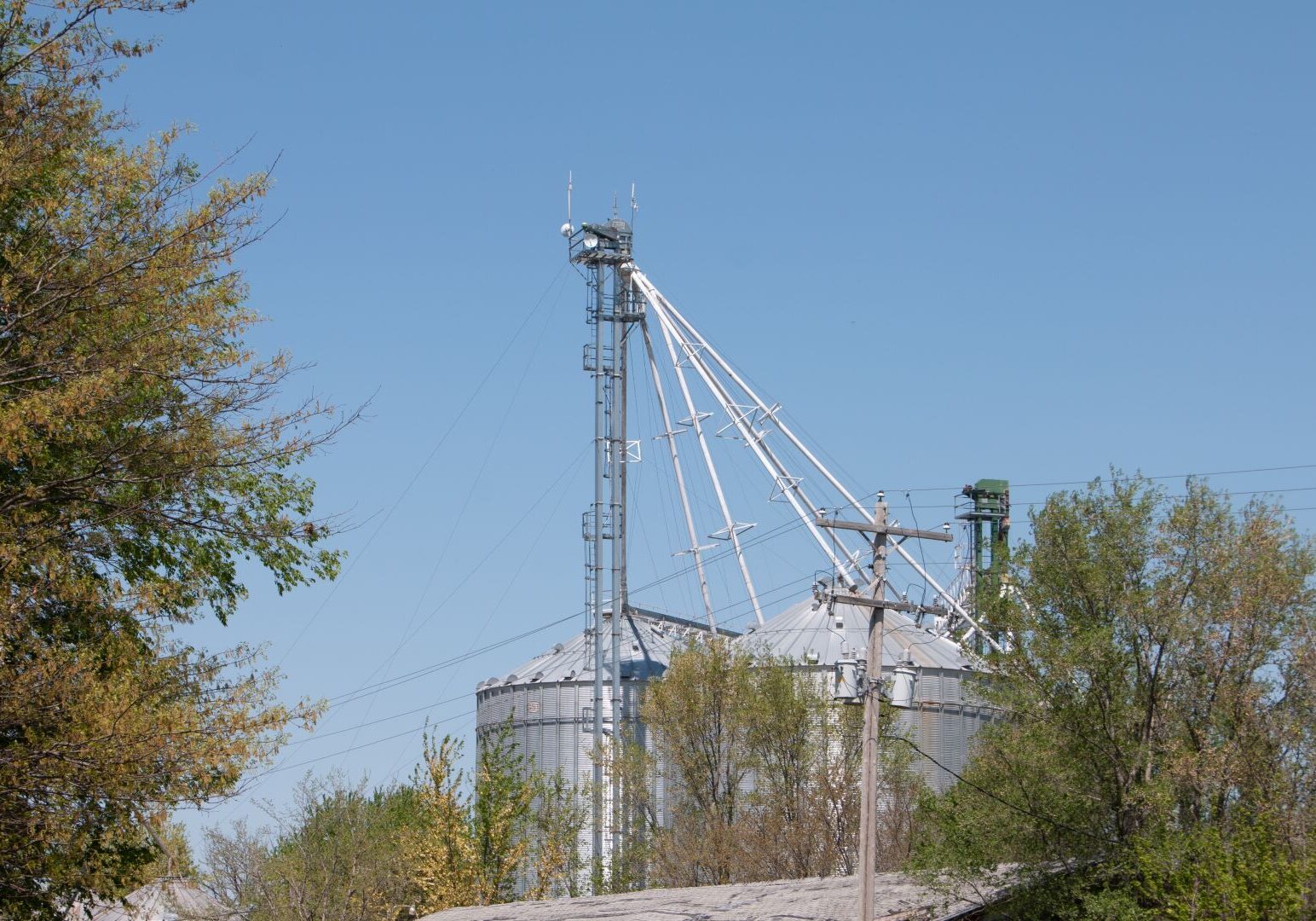
It’s a blink-and-miss-it type of destination about an hour north of Kansas City. Squeezed between fields and trees west of Interstate 35, the most notable landmark amid a cluster of buildings is a towering grain elevator.
Now it’s set to be a testing ground for cutting-edge technology looking to bridge the digital divide.
In neighboring Stewartsville, Missouri, on top of another grain elevator owned by Wade Farms, an “intelligent router” will soon beam down internet service to the households of Turney on the broadband fringe.
Thanks to a new collaboration involving MU Extension, Maximize NWMO, Missouri University of Science and Technology and U.S. Project Ignite, an experiment that could bring high speed internet to rural areas is being tested in Turney.
“Turney is a spot where they felt they (United Fiber engineers) had fiber laid close enough,” said Christel Gollnick, a navigation team member at Maximize NWMO. “But also would be a good test area to be able to say, ‘Hey, if we were able to put some equipment at a higher elevation that could broadcast fiber connection to a certain number of homes and or residences?’ ”

According to U.S. Census data, 255 people within a half-square-mile radius of Turney. There are 91 households in the village.
BroadbandNow notes that 90.2% of consumers in Turney have access to one wired internet provider or less. Throughout Clinton County, 5,000 people do not have access to standard broadband, defined by the Federal Communications Commission as 25 megabits per second download and 3 megabits per second upload speeds.
By connecting radio devices to a nearby broadband line, the signal will be sent to the intelligent router in Stewartsville, and then shot down to the people of Turney. The hope is that this experiment will be a model for delivering wired internet speeds to other rural parts of the country.
“If our approach works in the small areas of Clinton County, it may be something that can be replicated in many rural areas,” said Dr. Casey Canfield, assistant professor of engineering management and systems engineering at Missouri S&T, in a news release.
The COVID-19 pandemic has increased the need to innovate and partner in the broadband space to help bridge the digital divide. At least 17 million Americans lack access to standard broadband speeds. Public/private partnerships like the U.S. Ignite project in Clinton County are essential to providing high speed access in an increasingly digital world.
“Having parents working from home for their jobs, kids doing online schoolwork, and even Zoom meetings with health care professionals for things that could be handled remotely over the past year has elevated the desperate need for more reliable internet access,” Gollnick said in a news release. “We need broadband speeds that can handle the activity that is now a part of normal life. It’s not just about being able to download or stream movies in the evenings. It’s about job security, education and health.”
The project is also emphasizing rural entrepreneurship. Gollnick says they are looking into getting students who live in Turney and other parts of Clinton County into a program that would pair them with businesses and help them develop a career path. There will also be a digital literacy program through the local 4-H.
The project will also help with broadband mapping, something that has been a major point of contention for those trying to bridge the digital divide.
FCC maps sometimes have lapses in coverage due to the data being based off of census blocks, that can mark some homes having service, even when they may not. The project includes a survey of Clinton County residents to determine where coverage gaps may exist.
The project is funded by a one-year, $300,000 grant that will be shared among the collaborative partners.
Jacob Douglas covers rural affairs for Kansas City PBS in cooperation with Report for America.
Reading these stories is free, but telling them is not. Start your monthly gift now to support Flatland’s community-focused reporting.
Related Stories
As Landfills Approach Capacity, Upcycling Gains Momentum
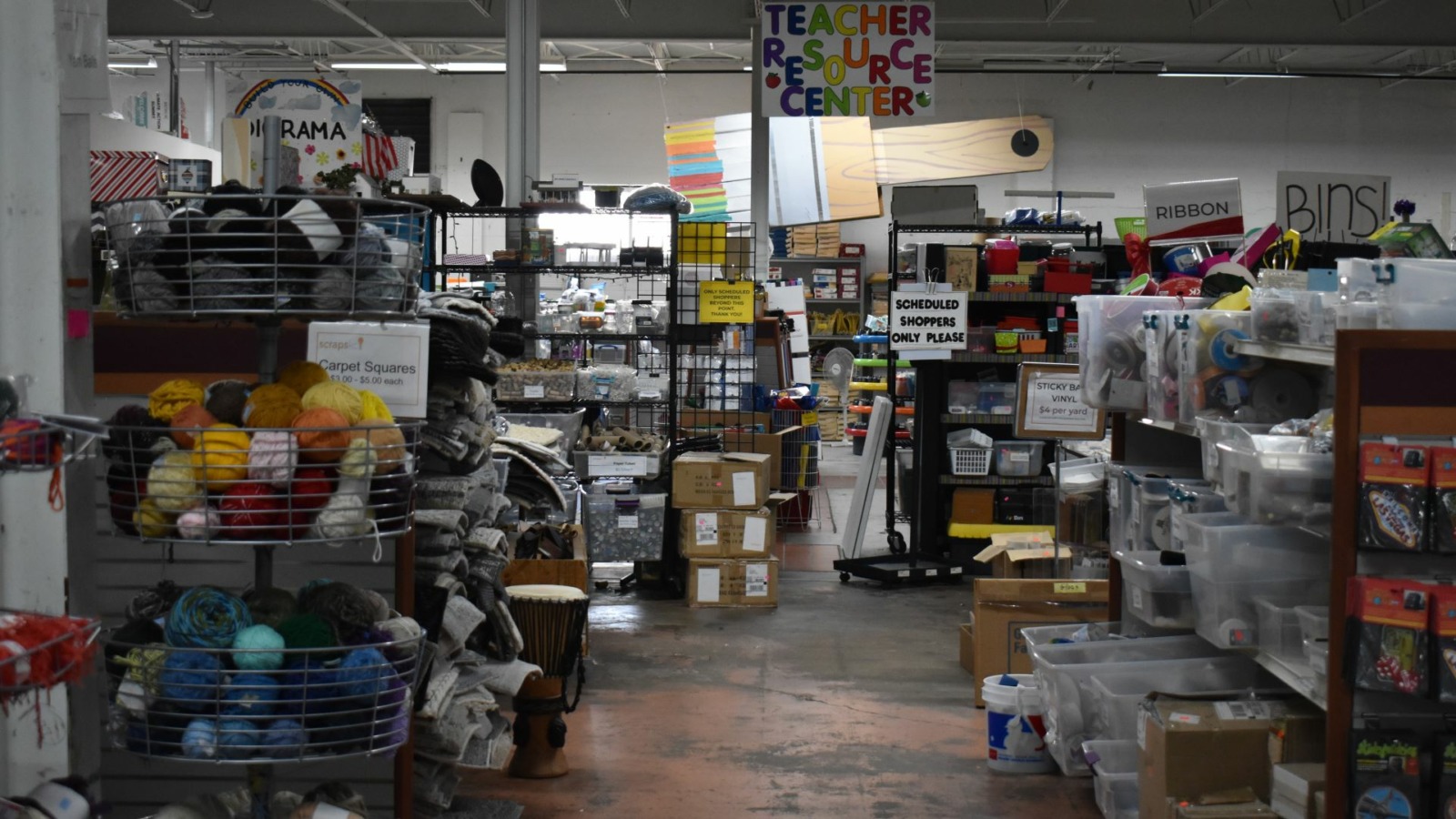
As Kansas City area landfills approach full capacity, more people are embracing upcycling as a sustainability strategic to divert waste.
Harvesting Change | Making Local Food Connections in the Heartland
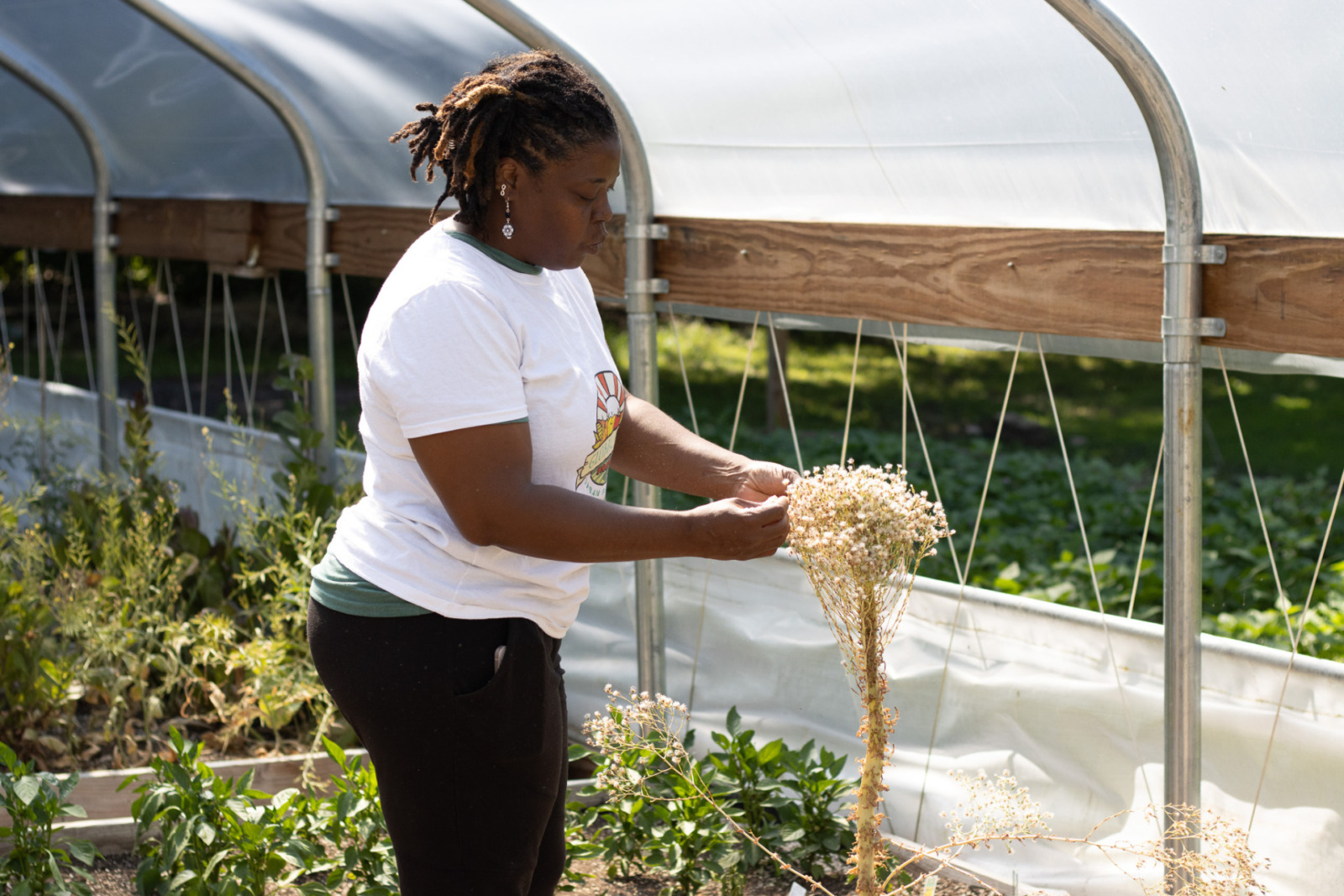
Meet the people who are making Kansas City’s increasingly interconnected local food system more sustainable on multiple fronts.
Parched in the Panhandle: Town Frets About Water
How Seaboard Foods rebuilt the Oklahoma panhandle’s economy, which ushered in a new era of groundwater depletion from the Ogallala Aquifer.