
Inflation, Energy Prices Complicate Consumer Calculus Regarding Renewables
May 4, 2022 | DC Benincasa, Missouri Business Alert, Ian Laird, Missouri Business Alert | 4 min read
Like many consumers, Kansas City resident Robyn Quiñones is looking to embrace renewable energy as her concerns about climate change grow.
“Anxiety over climate change causes loss of sleep sometimes,” Quiñones said.
“I am looking at what my generation … is leaving (younger generations) with, and I’m horrified.”
A few years ago, Toyota announced its first hybrid version of the RAV4 sport utility vehicle, and Quiñones wanted it. There was just one problem.
“They were so expensive,” she recalled. “I couldn’t afford one.”
Purchasing decisions like that have taken on added complexity in recent months, complicated by rampant inflation, soaring energy prices and a volatile economy. Pandemic-driven supply chain issues have pushed up prices for a wide range of goods, and energy prices have surged amid Russia’s invasion of Ukraine.
But as some energy prices soar, consumers are weighing the financial effects of alternative forms of energy.
Money Motivates
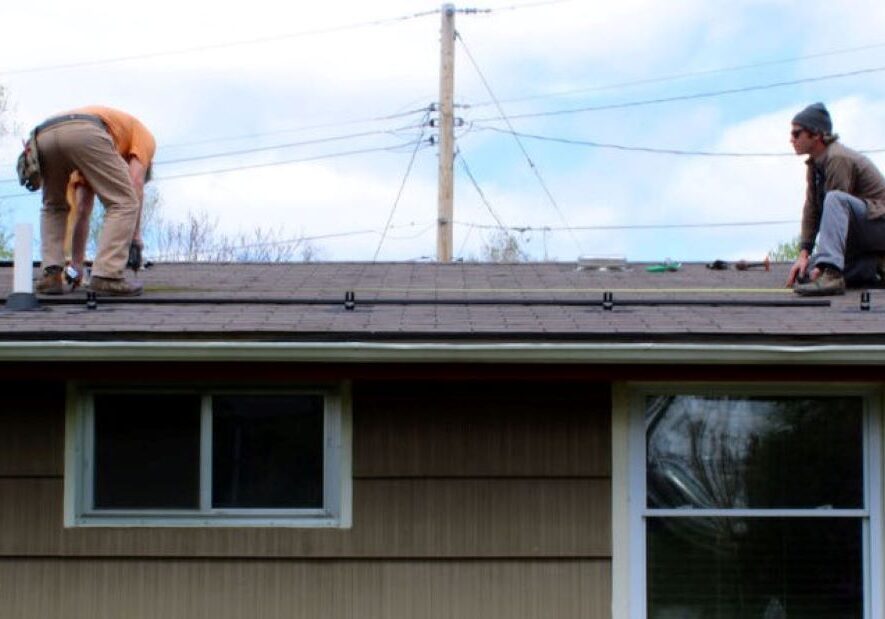
Tom O’Connor has been installing solar panels on Columbia homes for a decade.
“I did my own house, put half a dozen panels on my house in 2012,” O’Connor said. “And then I watched the panel prices come down. And I was just fascinated by all things solar.”

As more homeowners and business owners have pivoted to solar power, it has allowed O’ Connor to turn his passion into a business. But when customers come into O’Connor’s business, H2O’C Engineering, to ask him to install solar panels, he says fighting climate change isn’t their only motivation.
“A lot of people will come, they’ll lead with the whole save the planet, green it up motivation,” O’Connor said. “And then, after you’ve talked to them for a while, they’re really into the dollars and cents motivation.”
Short-term costs are a key factor in determining whether a consumer will invest in renewable energy, according to Islam El-adaway, a professor of civil engineering at the Missouri University of Science and Technology in Rolla. He studies how economic factors affect the adoption of renewable energy, specifically solar power.
El-adaway’s research has shown when installation costs for solar panels increase by $100, the probability that a consumer will install the panels decreases by up to 65%. El-adaway says short-term installation costs affect the likelihood of solar adoption more than long-term costs, like utility bills.
“The impact of how much you will pay immediately has more impact on the decision making compared to how you’re going to save down the road,” he said.
Hear more: The Business Brief podcast examines renewables and consumer behavior.
While installation costs are the biggest determinant for solar adoption in El-adaway’s model, he said, social messaging about carbon emissions and climate change have less impact.
“We care about society,” he said, “but we care more about our own selves.”
El-adaway’s findings fit with worldwide data. According to a 2021 global survey from Ernst & Young, more than two-thirds of future energy buyers said reducing cost is the most important factor when deciding to purchase new energy products.
Information Proves Elusive
James Owen, executive director of renewable energy advocacy group Renew Missouri, said small measures to enhance energy efficiency can lead to less energy consumption and, thus, lower bills for cost-conscious consumers.

“Weatherizing doors, windows insulation … more modern appliances, more modern HVAC systems, heat pumps — you know, those things,” Owen said. “In some of those cases, utility companies (are), like, giving them away.”
Those kinds of efficiency measures can only go so far in helping people reduce their energy use and costs, though. Ultimately, many consumers are reliant on factors beyond their immediate control — like technology improving and markets developing — to appreciably alter their energy use.
But that won’t deter Quiñones, who remains committed to combating climate change and said she continues to seek out information about the costs of going green.
“I would love to put solar on my house,” Quiñones said. “And the only idea that I’ve come up with — I haven’t pursued it yet — was going to neighbors with solar on their roofs and knocking on the door and saying, ‘Have they gotten damaged in storms? Are you happy with it? Where did you get it? Do you trust that company?”
DC Benincasa and Ian Laird are reporters for Missouri Business Alert, a member of the KC Media Collective.

Reading these stories is free, but telling them is not. Start your monthly gift now to support Flatland’s community-focused reporting.
Related Stories
Renters: How to Weatherize Your Home to Reduce Energy Costs
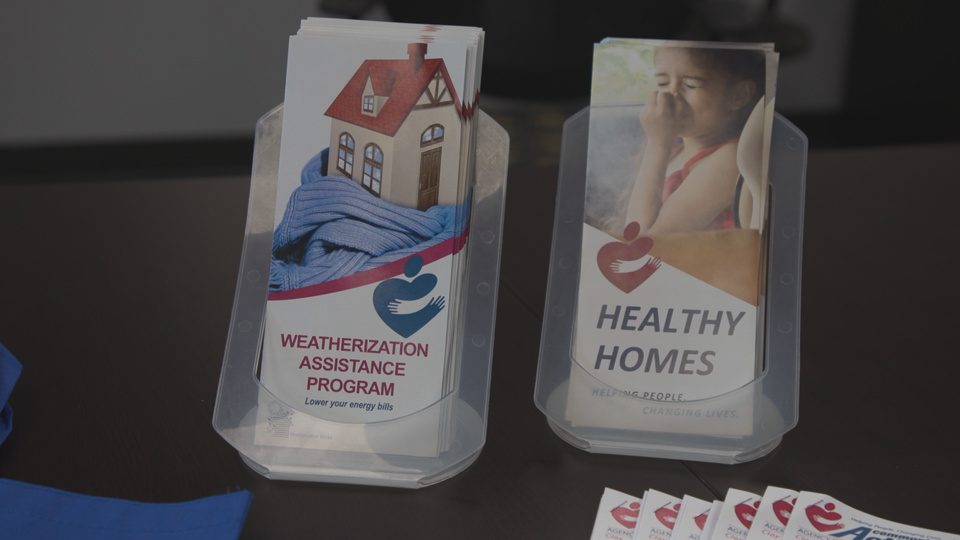
Energy burden is defined as the percentage of gross household income that is spent on energy costs. In some areas of the Kansas City Metropolitan area, residents experience an elevated energy burden. However, some energy costs can be reduced through weatherization. While it may be challenging to tackle as a renter, there are options to…
Watch: Mapping and Managing Energy Burden in Kansas City
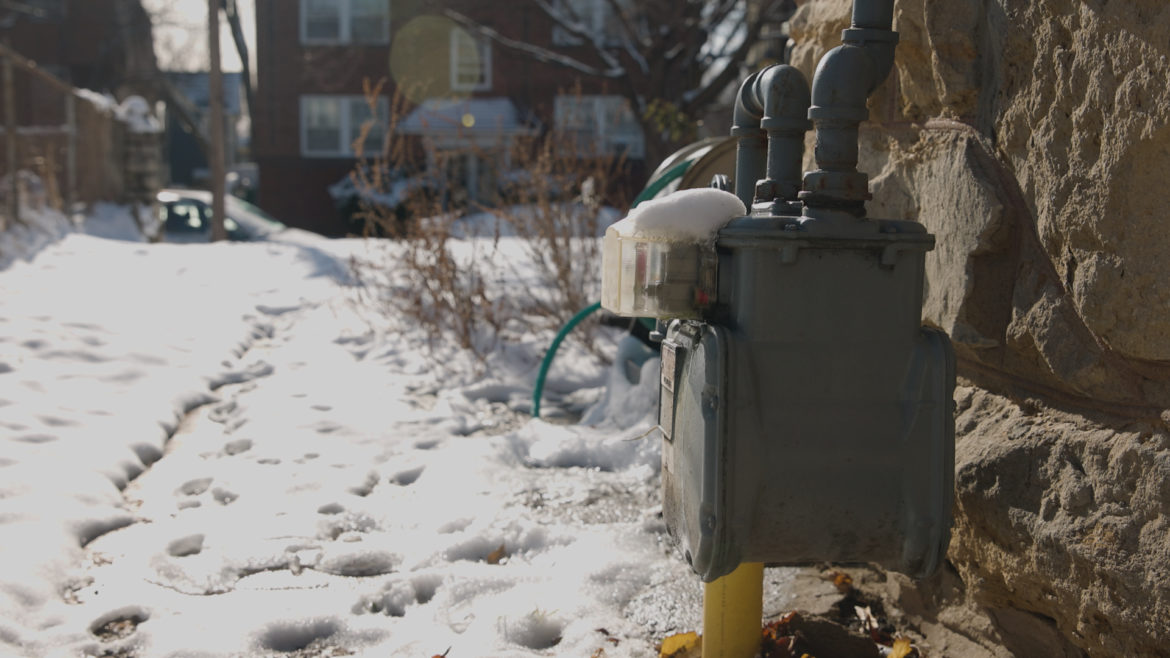
Energy burden is defined as the percentage of gross household income that is spent on energy costs. In some areas of the Kansas City Metropolitan area, residents experience an elevated energy burden. We caught up with experts to learn more about how energy burden impacts residents and potential solutions for mitigating the problem.

The Bison that Protect One of Missouri’s Last Prairies
Before European settlement, the place that we call Missouri was home to millions of acres of tallgrass prairie, a grassland biome home to a diverse array of plant and animal species, like bison. Today, less than one percent of it remains. Bison once roamed North America with numbers in the millions. After government-sanctioned mass slaughter…