
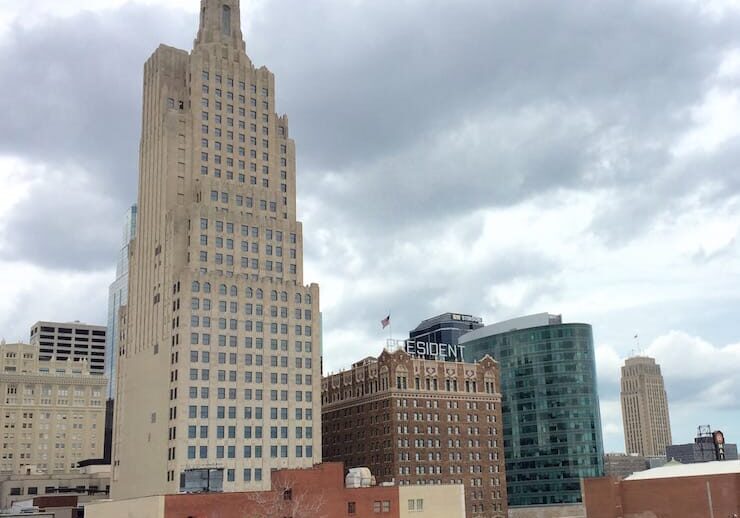
If Historic Tax Credits Go Away, Local and National Redevelopment Will Come to a Crumbling Halt
November 17, 2017 | | 4 min read
GUEST COMMENTARY
By Elizabeth Rosin
Have you noticed how Kansas City has changed over the past decade, how vibrant our urban core has become?
It was a gradual process that happened one property at a time. Most of these buildings were transformed using the historic tax credit (HTC), a tool that helps developers leverage private investment when they rehabilitate a historic building.
The HTC is revitalizing vacant and underutilized buildings nationwide—not just in large urban centers like Kansas City, but in main street towns and smaller communities, creating engaging, authentic places.
Tax reform in Washington threatens to derail this progress. The House Ways & Means Committee tax plan eliminates the HTC. The Senate framework cuts the credit in half, effectively crippling its usefulness.
Some argue that lowering the tax rate for individuals and corporations will have the same effect as the current credit, putting money in the pockets of those who own and redevelop historic buildings.
In my experience, the opposite is true. If development costs don’t “pencil out,” a project won’t happen. If rehab is not economically viable, historic buildings will languish, at best, and often be lost forever.
Without HTCs, no one would be living in Roaster’s Block, Power & Light Apartments or Commerce Tower. MAC Properties would not have transformed Armour Boulevard, and many of our beautiful old school buildings might be landfill instead of affordable housing like Bancroft and Seven Oaks, market-rate apartments like Swinney or co-working and community space like Westport Commons, formerly Westport Middle School.
The beauty of the HTC is that it can be used by the owners of smaller buildings as well as big city developers. Consider the rehab projects happening in places like Ottawa, Emporia, Abilene and Salina, Kansas.
Big project or small, every applicant has significant skin in the game. Each $1 of historic tax credit leverages $5 of private investment, all of which is spent before any tax credits are issued.
In 1981, Ronald Reagan said, “our [historic] tax credits have made the preservation of our older buildings not only a matter of respect for beauty and history, but of economic good sense.”
Since Reagan made the HTC a permanent part of the tax code in 1986, the success of the program has only grown.
The new Rutgers University economic impact study reveals staggering impacts. In just the five years between 2011 and 2016, the historic tax credit leveraged $24 billion of private investment and created nearly 400,000 jobs.
Missouri alone experienced $2 billion of rehabilitation and over 32,000 jobs in this short period.
Most significantly, historic tax credit projects on average returned $1.20 to the U.S. Treasury for every $1 of credits issued. As a side benefit, each HTC rehab spurs improvements to nearby properties, creating places that attract residents and visitors.
I hear concerns that Kansas City has “run out” of historic buildings, but I beg to differ. Let’s look at the West Bottoms, on the cusp of a revitalization that will stagnate without an incentive to help bridge the financing gap.
We know our representatives in Washington understand the value the HTC brings to the communities in their districts. Now, we ask them to step forward and protect the HTC for Kansas City, for Missouri and Kansas and for communities across the country.
A program with a 40-year track record of revitalizing communities, creating jobs, supporting affordable housing and preserving our shared heritage, not to mention enhancing the U.S. Treasury, seems like one to keep.
Elizabeth Rosin is owner of Rosin Preservation, a historic preservation firm in Kansas City with a portfolio that includes Kemper Arena, the Oklahoma State Capitol and the Empire State Building.
This op-ed piece originally appeared on The Kansas City Star website.
Here are a few more notable downtown Kansas City buildings that were empty relics before being restored to new life with the help of federal and state historic tax credits.

The historic New England building was reborn recently as an apartment project with the help of federal and state historic tax credits.

Historic Pickwick Plaza was renovated into the 260-unit East 9 apartment project using historic tax credits.

The former Kemper Arena is being converted to an amateur sports complex called Mosaic Arena with the help of historic tax credits.

Plans call for the historic Kansas City Star building to be redeveloped with the help of historic tax credits. (Photo from 3-D Development)

Reading these stories is free, but telling them is not. Start your monthly gift now to support Flatland’s community-focused reporting.

Related Stories
Nick’s Picks | Roads, Bathrooms, Costco and More …
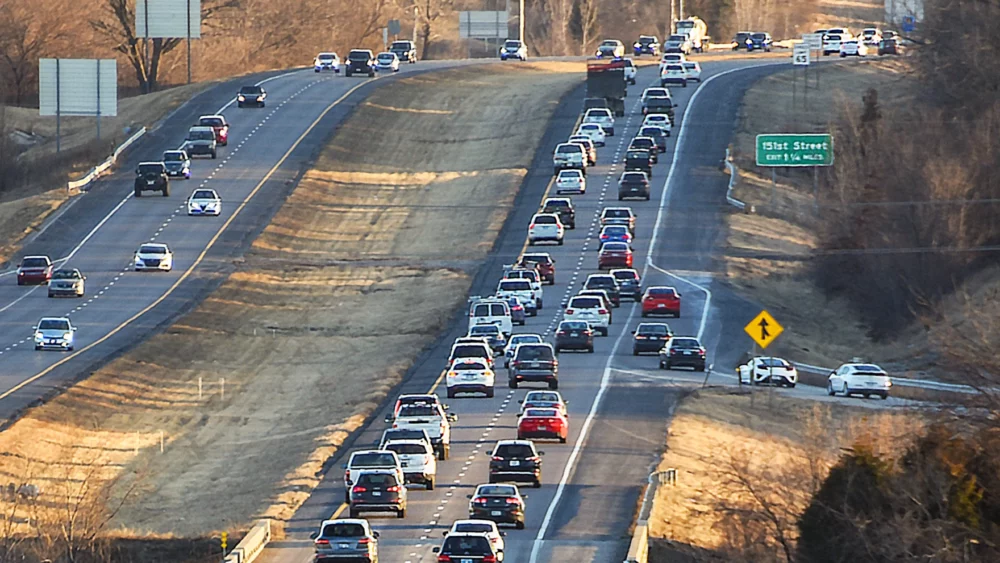
New Toll Road Opens Kansas City’s first toll road opens this week. Starting Saturday, you’ll pay up to $3.50 to travel the new express lanes on U.S. Highway 69 from 103rd to 151st streets in Overland Park. There are no toll booths — cameras scan your license plate, and a bill arrives by mail. KTAG…
Up From the Ashes: Warwick Theatre Revival Draws Applause
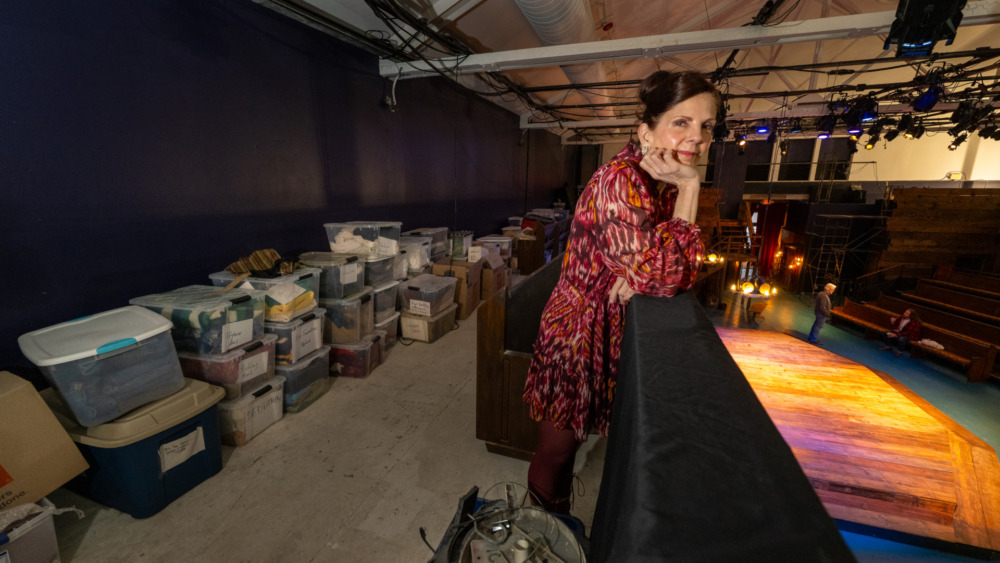
Two years ago, John Cleary met a fellow Kansas City actor for drinks. Their conversation centered on the fate of the Metropolitan Ensemble Theatre. A large portion of the ensemble’s home, the Warwick Theatre, was ash, charred timbers and soot-saturated costumes and props — remnants from a recent massive fire. The destruction was so great…

Nick’s Picks | Baseball, Drones, Romance and More …
Royals Reveal Next week, the Kansas City Royals head to Arizona for Spring Training. And that’s the mayor’s self-imposed deadline to lock in a stadium deal. So, is this finally the week owner John Sherman steps to the plate and unveils where the Royals will build their next home? At last week’s council meeting, Mayor…