

The marijuana stigma of our parents’ era is no more.
Gone are the days of “Reefer Madness,” when weed use was frowned upon by most and synonymous with hippies, drug dealers and undesirables.
In 1969, just 12 percent of Americans supported the legalization of marijuana. Today, 67 percent of Americans support the legalization of cannabis across the board, according to the Pew Research Center.
Medical marijuana is legal in 36 U.S. states and four territories and has given relief to patients from all different walks of life.
If you think your parents may benefit from medical marijuana, or want to talk with them about your use, you’re not alone. But the conversation can be tough and scary to start.
Though many have a new outlook on medical cannabis, older Americans have been slower than other generations to accept and use it. Studies show they’re slowly starting to try it for themselves.
Rewire spoke with experts in the industry and cannabis users about talking to older family members about medical weed.
Medical Cannabis is Losing Stigma
Talking with an older person about medical marijuana doesn’t need to be scary. Their reaction may end up surprising you.
Truman Bradley is the executive director of the Marijuana Industry Group in Colorado. In 2009, his childhood best friends convinced him to start a business in the medical marijuana industry.
After a couple of years, Bradley decided to tell his conservative grandmother, who lives in Tennessee, exactly what he did for a living. He was nervous to tell her he worked with cannabis and used marijuana on occasion.
“I was shocked to hear her say, ‘Well, could you mail me some? I’ve been having difficulty sleeping,'” Bradley said.
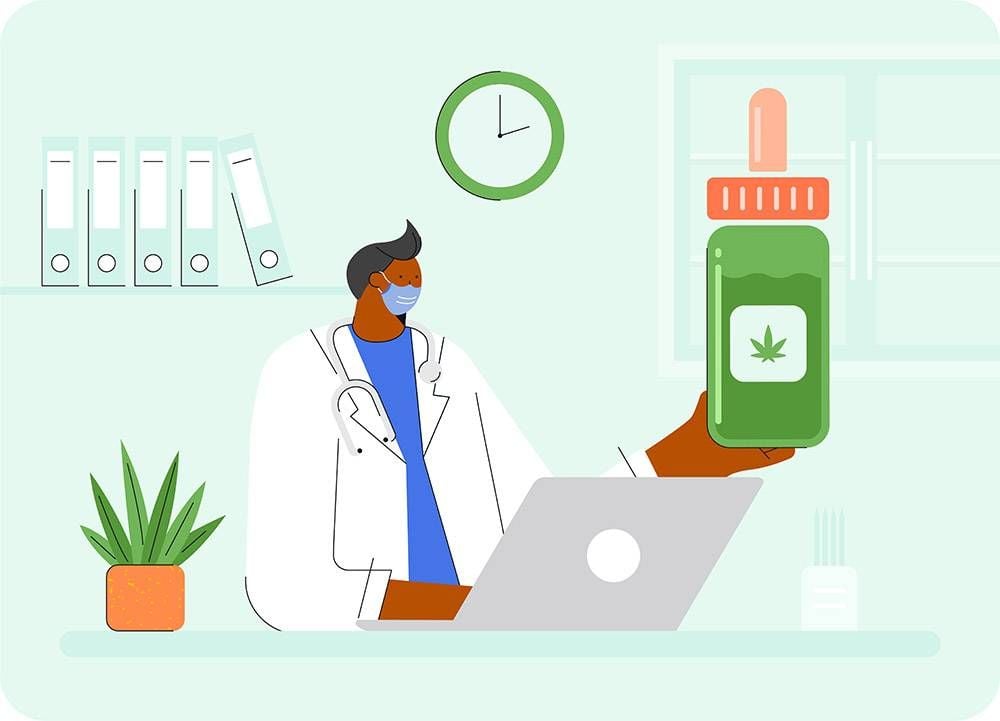
Bradley didn’t mail her pot because it is illegal to do so, but his grandmother’s acceptance and curiosity about marijuana’s medicinal effects left an impact on him.
Although his grandmother is older and more conservative, the changing tide of opinion on cannabis use seems to have made an impact on her.
“People may be surprised when they have these conversations. I certainly was,” Bradley said.
Armed With Facts
Not everyone will react to marijuana use the way Bradley’s grandma did. If your loved one is on the fence about cannabis use or believes pot is dangerous or morally “wrong,” experts say it can help to arm yourself with facts that can help change their outlook.
Morgan Fox is the media relations director for the National Cannabis Industry Association. She’s found success pointing out how cannabis can be safer than alcohol, and how in the late 19th and early 20th centuries, cannabis was widely accepted as a medicinal plant.
“If the person is concerned about medical issues, begin by pointing out that nearly every state allows some form of cannabis for medical purposes,” Fox said.
“Highlighting specific cases of people who have found relief from medical cannabis, particularly if other treatments have been ineffective, helps as well.”
If the older person in your life has a qualifying medical condition that could be treated with cannabis, research ways their symptoms could be alleviated, and have an open and honest discussion about marijuana with them.
If you live in a state where medical marijuana is legal, going with your loved one to consult with a medical professional with experience in marijuana treatment can also help alleviate their concerns and get armed with facts and new knowledge.
You can find a medical marijuana doctor near you via Google search or an online directory such as marijuanadoctors.com.
Give it Time
If your older loved one is still on the fence about cannabis use, there’s no reason to force the subject or create tension.
Bradley said in his time working for the cannabis industry, he’s seen many patients change their mind about using marijuana on their own. When an older person has an illness and other treatments aren’t working, Bradley said the medicinal properties of marijuana start looking like something worth a try.
“Maybe they’re running out of options. You get a serious illness and you start to look at all your options because you want relief,” Bradley said. “That’s the unfortunate but true fact of being sick.”
Johnny Valerio recreationally uses pot in Denver and has for several years. When his mother got arthritis in her hips, he said he mentioned that the occasional puff of his marijuana vape pen may help the pain.
“She was not down at first,” Valerio said.
“She thought I went crazy for a second. She’s fine with me smoking weed but she hadn’t done it since she was a teenager.”
As his mom’s arthritis progressed, Valerio said she was miserable. Pain medication and physical therapy brought some relief, but not much. One day, when he was visiting during a particularly painful period for his mom, she asked to try his vape pen.
“I was like, ‘Are you sure?'” Valerio said.
“She hit it and said she felt instantly better. Then she went and got a snack. I was shocked but happy she finally tried it and it helped.”
Valerio’s mom now keeps a cannabis vape pen in her house for particularly bad days.
Not for Everyone
When speaking to your parents about medical cannabis use, it’s important to know that pot is not for everyone. Some people don’t like the feeling of being high, and there is a lasting stigma that some older folk may find hard to get over.
“Some parents won’t change their minds. I know people who’ve died of cancer and never tried cannabis because it was illegal,” Bradley said.
“Even if this medicine is a miracle for some it won’t work for everyone. That’s an important fact people in my industry need to understand.”
This story first appeared in Rewire, a nonprofit journalism outlet for young adults created by Twin Cities PBS. Taylor Hartman, a writer from Salt Lake City, works at KUED, Utah’s PBS station.
Reading these stories is free, but telling them is not. Start your monthly gift now to support Flatland’s community-focused reporting.

Related Stories
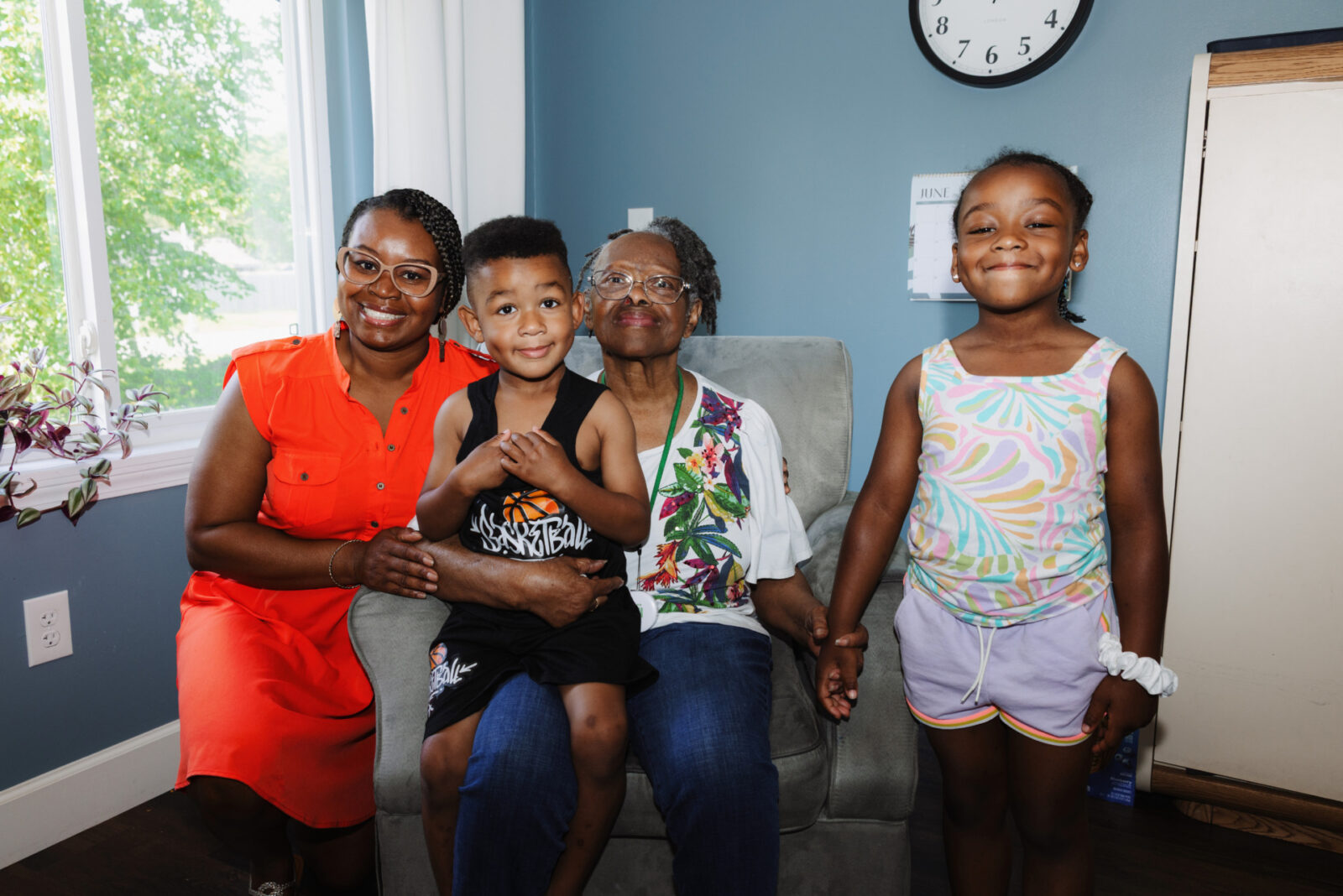
Caregiving Squeezes Households Between Young and Old
Melissa Johnson knows her life is hardly unique. The Oak Grove, Missouri, woman cares for her infirm 72-year-old mother, who lives in her own home nearby. She calls her mother daily. She brings dinner to her several times a week. Johnson, who coordinates care with her aunt, a team of therapists, and a nurse, is…
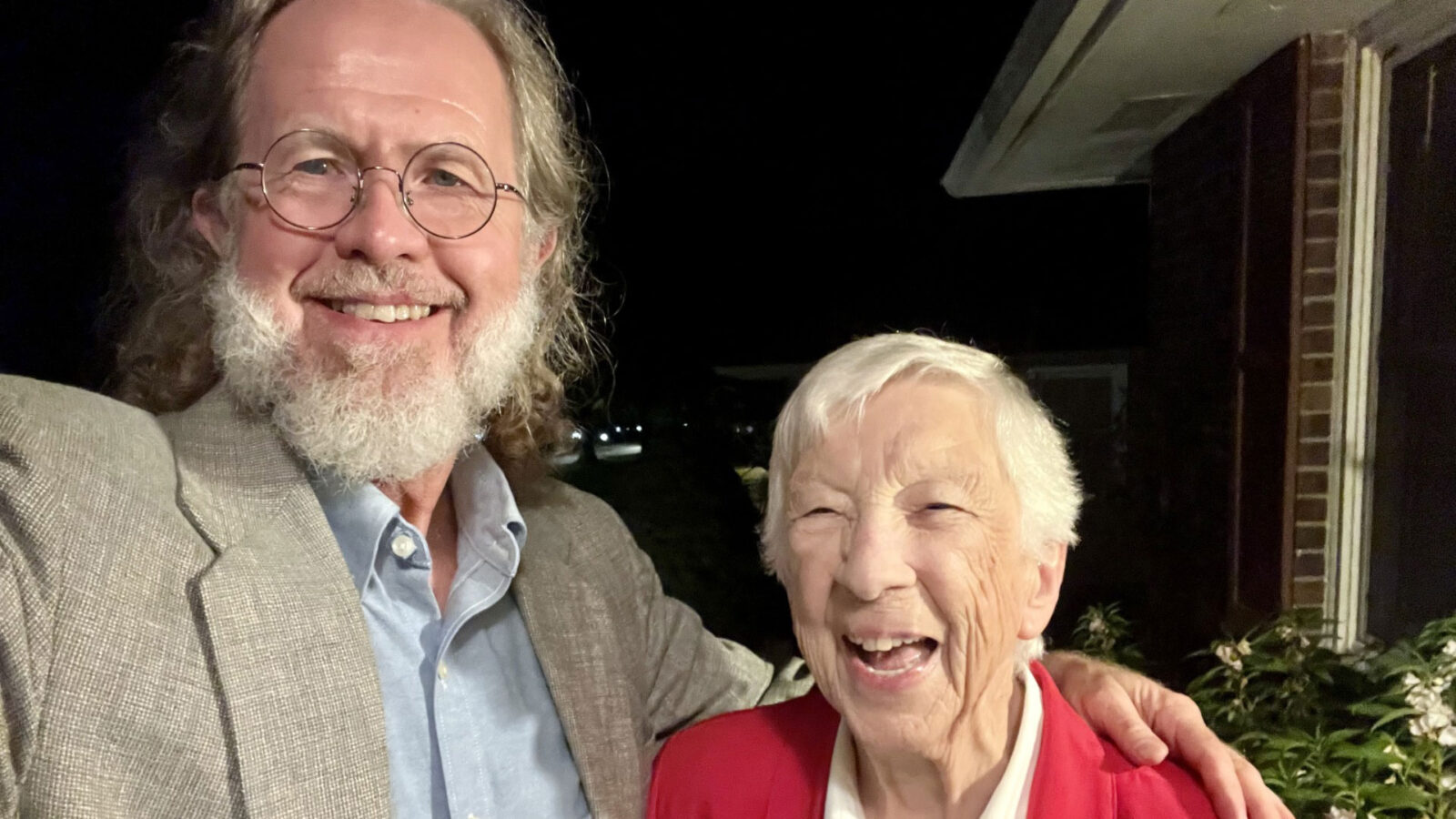
Feeding Tubes and Defibrillators
Let’s begin with two stories about the growing and important field of bioethics. The first is from Ryan Pferdehirt, the newly named Flanigan Chair in Bioethics at the Kansas City-based Center for Practical Bioethics. A hospital once asked him to consult on a bioethics case in which a son thought his desperately ill, hospitalized mother…
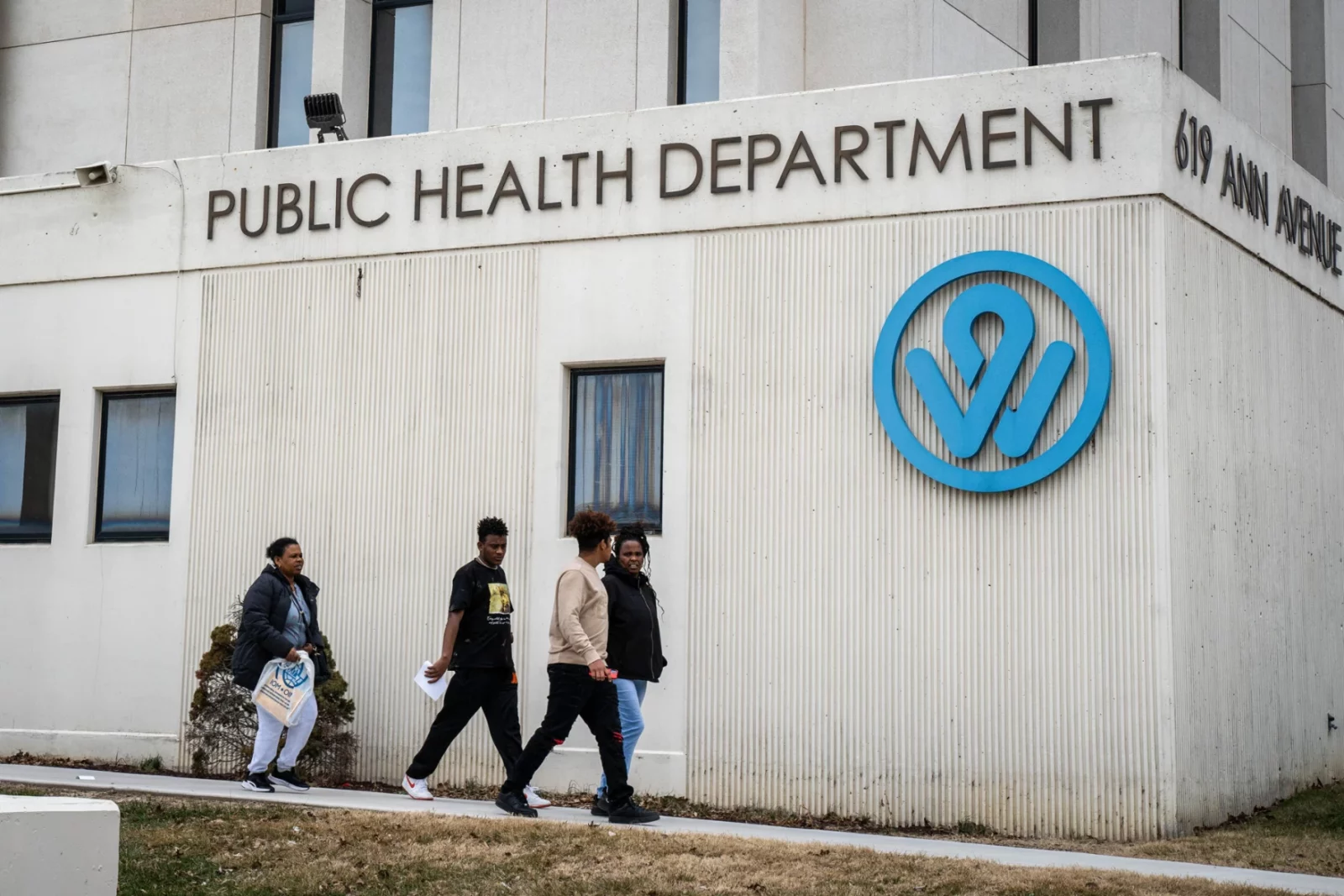
After Tuberculosis Outbreak, Wyandotte County Parts Ways with Health Director
The director of the Wyandotte County Public Health Department is no longer with the agency, a spokesperson confirmed Tuesday. It comes after turmoil during the handling of the major tuberculosis outbreak, shown by emails obtained by the Kansas News Service. Elisha Caldwell had been head of the local health department while an outbreak of TB grew…