
La Raza Panel: Zip Codes Key To Understanding Community Health
July 13, 2015 | Mike Sherry | 2 min read
Something as simple as schoolyard gates can play a role in improving the health of low-income communities.
At least that’s what activists in California’s San Joaquin Valley found, according to Genoveva Islas, director of Cultiva La Salud, a Fresno-based organization that means “cultivate health” in Spanish.
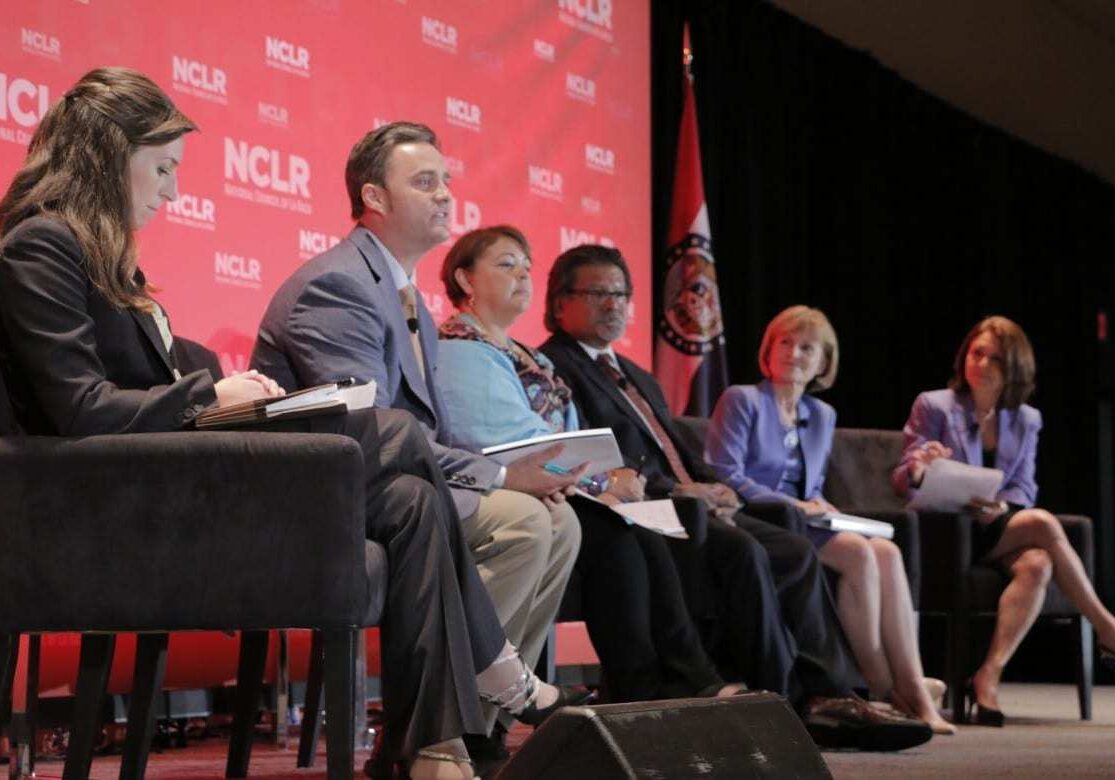
Speaking Monday during a panel discussion at the National Council of La Raza conference in Kansas City, Islas said residents in more affluent areas were able to play and exercise on school grounds at night and on weekends but gates were locked in lower-income neighborhoods.
Monday’s panel focused on how zip codes factor into health and the importance of developing leaders in low-income areas to reduce geography-based health disparities.
Patrick Brosnan, executive director of the Brighton Park Neighborhood Council in Chicago, talked about how residents in the southwest part of the city banded together to pressure public officials for improvements to the area’s only park.
“There might be several community organizations out in the room today that might not understand that they have a role to play in health and developing health and wellness infrastructure,” he said. “I want to say that is not true. All of our organizations – you must find a way to get involved in the health and wellness of our communities.”
Cooperation shouldn’t be limited to advocacy groups, said Mary Wakefield, acting deputy secretary of the U.S. Department of Health and Human Services.
“Part of our job is to help others in our community see their value-add,” she said. “The health of a community is a product of all of us coming together. I think it’s being mindful, being open – creating porous borders, if you will.”
Wakefield touted several Affordable Care Act provisions that address the health needs of local communities, including the expansion of funding for community health centers and for the National Health Service Corps, which provides loan forgiveness for medical providers who agree to practice in underserved areas.
Mike Sherry is a reporter for KCPT television in Kansas City, Mo., a partner in the Heartland Health Monitor team.
KCPT and the Hale Center for Journalism present “Getting By,” a series of stories and discussions examining the impact of inequality in KC, at kcpt.org/gettingby. How do you ‘get by’ in KC? You can join our discussion, here.
Reading these stories is free, but telling them is not. Start your monthly gift now to support Flatland’s community-focused reporting.
Related Stories
Caregiving Squeezes Households Between Young and Old
Melissa Johnson knows her life is hardly unique. The Oak Grove, Missouri, woman cares for her infirm 72-year-old mother, who lives in her own home nearby. She calls her mother daily. She brings dinner to her several times a week. Johnson, who coordinates care with her aunt, a team of therapists, and a nurse, is…
Feeding Tubes and Defibrillators
Let’s begin with two stories about the growing and important field of bioethics. The first is from Ryan Pferdehirt, the newly named Flanigan Chair in Bioethics at the Kansas City-based Center for Practical Bioethics. A hospital once asked him to consult on a bioethics case in which a son thought his desperately ill, hospitalized mother…
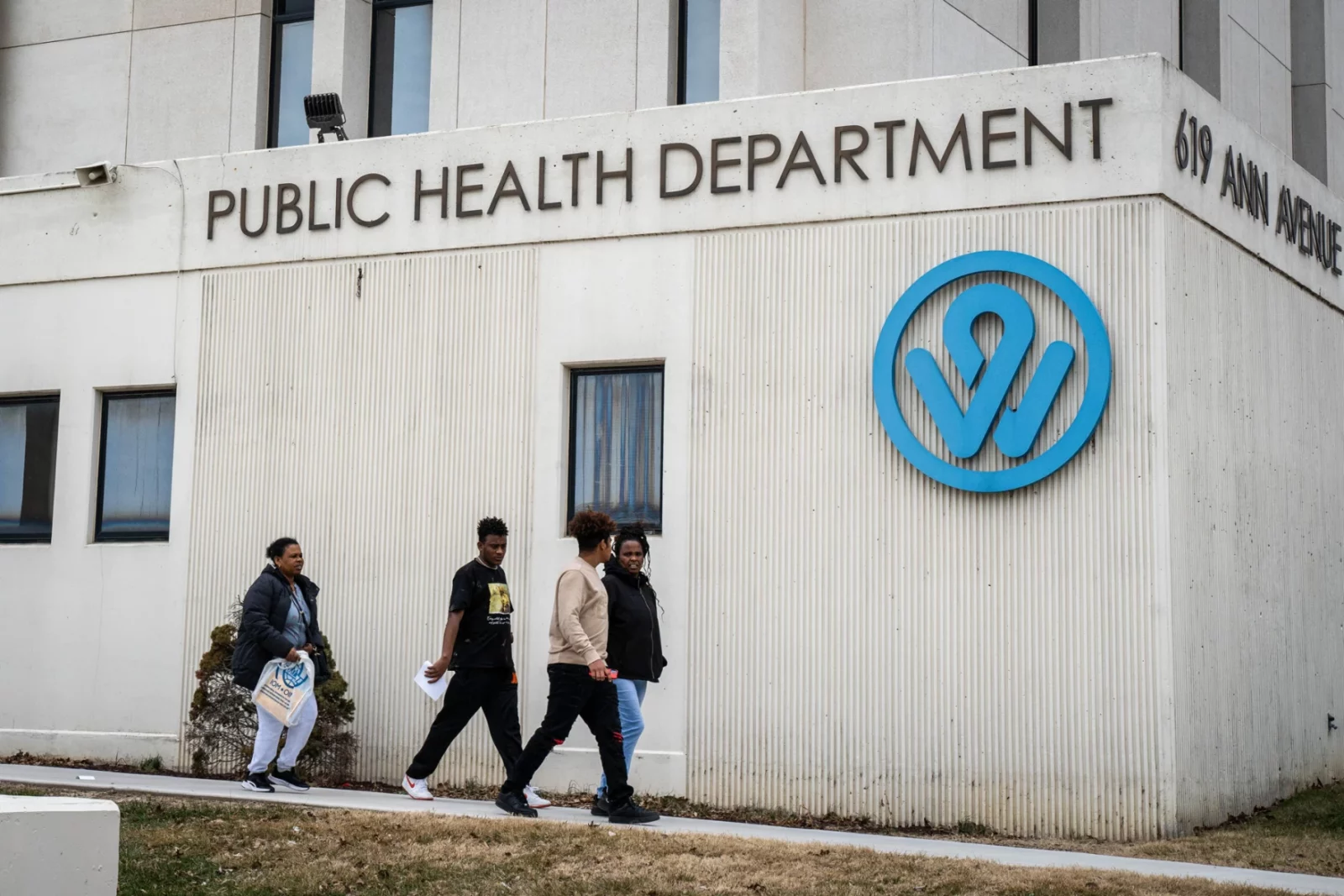
After Tuberculosis Outbreak, Wyandotte County Parts Ways with Health Director
The director of the Wyandotte County Public Health Department is no longer with the agency, a spokesperson confirmed Tuesday. It comes after turmoil during the handling of the major tuberculosis outbreak, shown by emails obtained by the Kansas News Service. Elisha Caldwell had been head of the local health department while an outbreak of TB grew…