
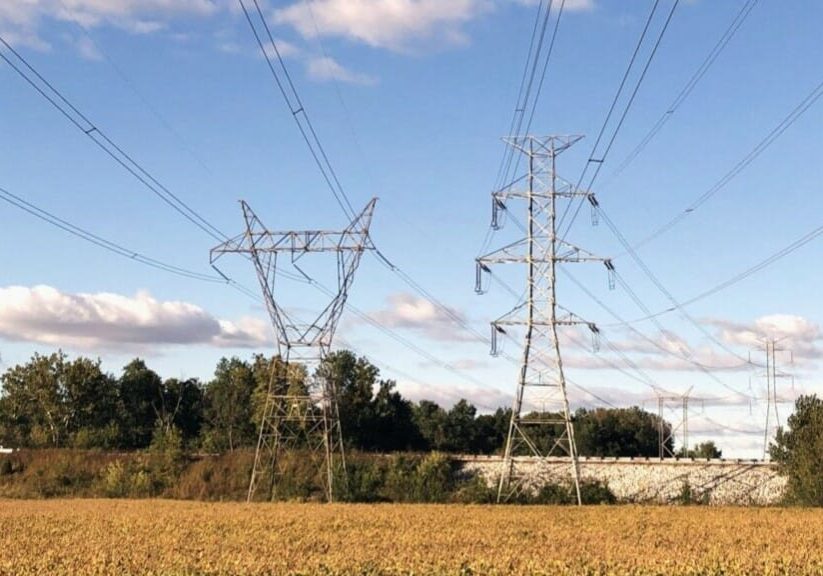
State regulators gave final approval Thursday to the owners of the Grain Belt Express transmission line to drop off thousands of megawatts of clean energy in Missouri.
The decision by the Missouri Public Service Commission was the final regulatory approval Chicago-based Invenergy needed to begin the first phase of the line, to be built in Kansas and Missouri.
For years, Invenergy has been working through regulatory approvals and acquiring land easements to build the 800-mile high-voltage transmission line, which will carry renewable energy from wind-swept western Kansas across Missouri and Illinois to the Indiana border.
“Securing the necessary state regulatory approvals is another critical step toward Grain Belt Express bringing lower electric bills and greater reliability to consumers in Missouri and across the Midwest,” said Shashank Sane, executive vice president and head of transmission at Invenergy.
Grain Belt was previously envisioned as a 4,000-megawatt line that would drop off a small portion of its power in Missouri. But with Thursday’s approval, Invenergy can construct a 5,000-megawatt line and drop half of its power in the state.
The line’s total capacity is expected to equate to roughly four new nuclear power plants, Invenergy says.
The company plans to construct the line in phases with Kansas and Missouri first. The line, Invenergy says, will result in $11 billion in savings over 15 years across those two states as well as Illinois.
But the Grain Belt had to overcome strong political headwinds to reach this point. The project sparked opposition from farm groups and landowners because it will cut across private property.
Invenergy must either sign voluntary deals with landowners or use its power of eminent domain to build on the property of landowners who don’t agree. In both cases, Invenergy will compensate property owners.
Republican legislators and agricultural groups tried repeatedly to essentially strip Grain Belt’s right of eminent domain, which would have killed the project. But last year, lawmakers passed compromise legislation requiring, in the event of future large transmission lines, greater compensation for landowners and setting a seven-year time limit for companies to build transmission lines after obtaining their easements.
In a news release Thursday, Invenergy said it had acquired 95% of the easements it needs in Kansas and Missouri.
Previous versions of the legislation would have required that at least 50% of power carried by a transmission line stay in Missouri. The compromise version would require that an amount of power proportional to the length of the line through Missouri be made available to residents.
Shortly after the bill passed, Invenergy announced it would drop off more power in Missouri.
Invenergy received approval this summer from the Kansas Corporation Commission to build the project in phases.
Allison Kite is a data reporter for the Missouri Independent, where this story first appeared, with a focus on the environment and agriculture.
Reading these stories is free, but telling them is not. Start your monthly gift now to support Flatland’s community-focused reporting.
Related Stories

The End of the Pesticide Arms Race?
To spray or not to spray, that’s the question for farmers. Pests can be the make-or-break factor for a season’s harvest. Between 20% to 40% of global crop production is lost to pests annually, according to the Food and Agriculture Organization of the United Nations. Conventional chemical pesticides have traditionally addressed this challenge, but their…

Hundreds of Bee Species Face Decline in Missouri and Kansas
To Tom Schroeder, every bee is a work of art. His own words, backed up with hundreds of photos in his camera roll from the prairies and woods of Kansas City WildLands. With more than two decades of volunteering with the group, he’s become a bee enthusiast– but not an expert, he’ll clarify. “We’re the…
Developers eye idle KCK power plant as the region pursues data center projects
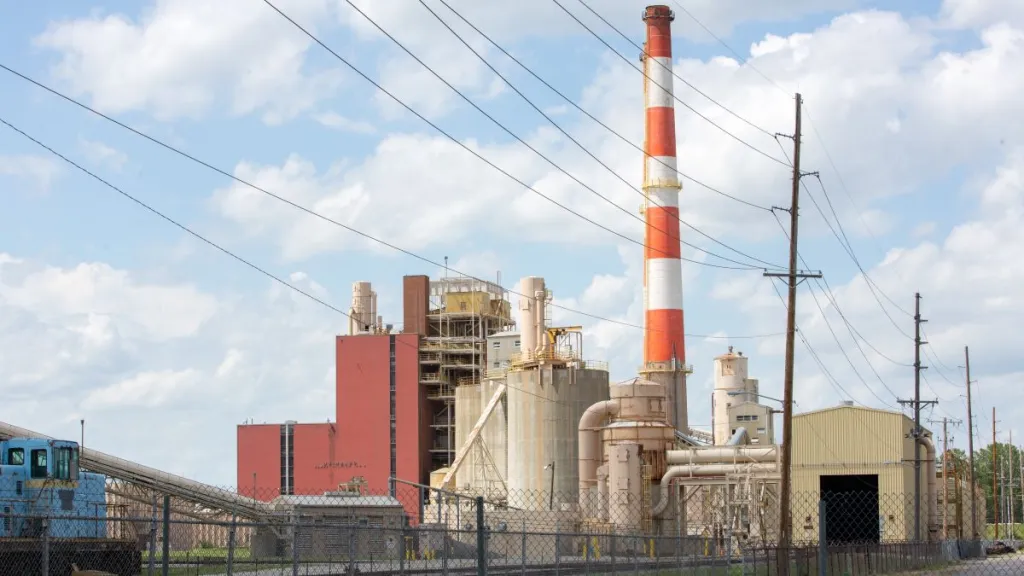
A defunct Kansas City, Kansas, power station astride polluted land has caught the eye of investors eager to develop an energy-hungry data center. The investors have offered to pay millions of dollars for the environmental remediation of the Kansas City Board of Public Utilities’ defunct Quindaro Power Station — and then some. The Unified Government…