
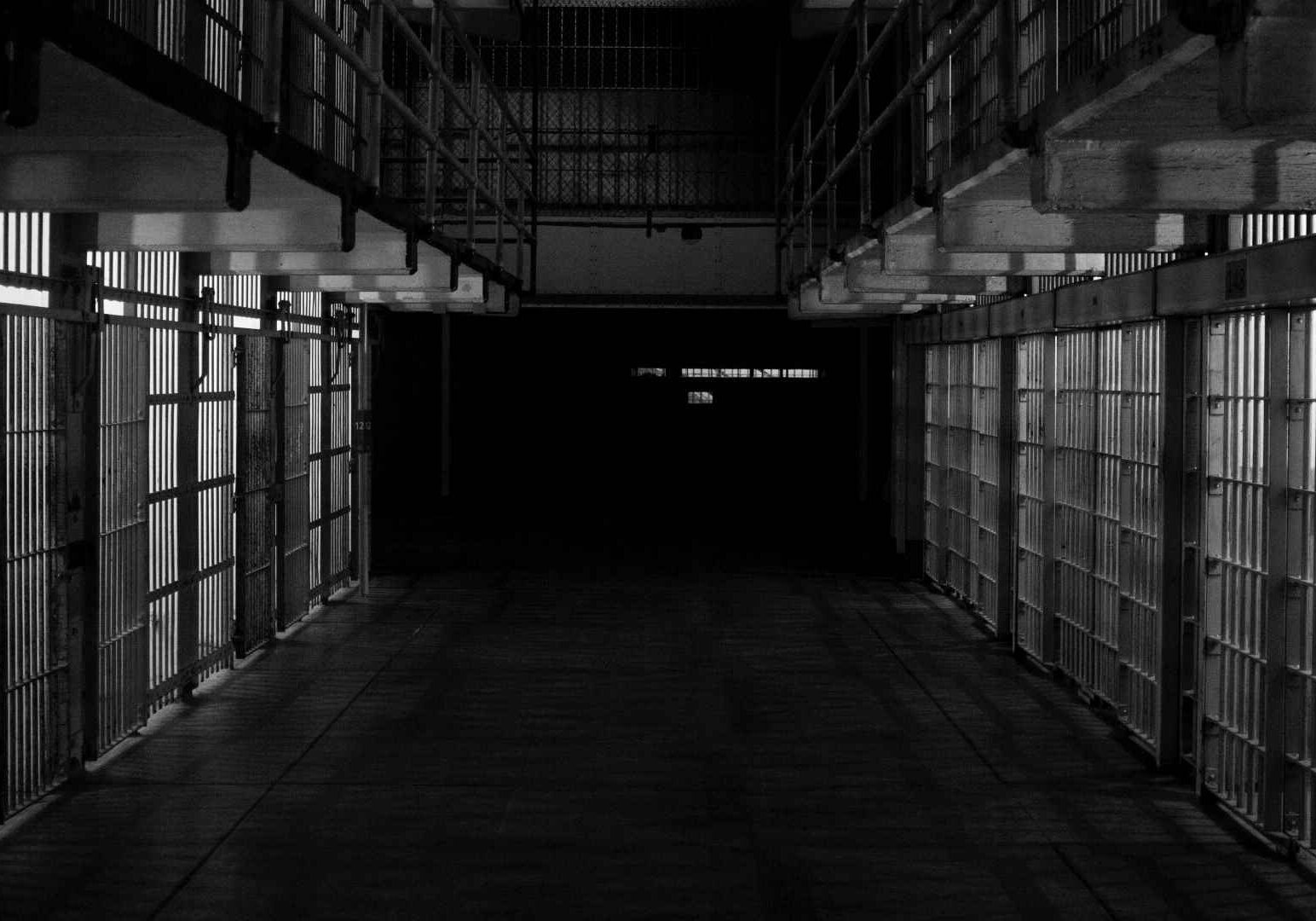
Former Inmates Are Often Locked Out of the Job Market
January 13, 2021 | Catherine Hoffman | 4 min read
A potential solution for the nation’s looming skilled labor shortage may be in plain sight.
Lansing Correctional Facility (LCF) will soon be launching a Career Campus with the help of the Kansas Department of Corrections, local businesses, educators and nonprofits in Kansas.
The Career Campus will be a place within LCF where incarcerated people can learn in-demand job skills and receive mentorship. When inmates reenter the workforce, they will be primed and ready to fill much-needed positions.
The formerly incarcerated are often locked out of jobs when they reenter the workforce, but it’s not for lack of effort in landing a job.
The Prison Policy Initiative found that “among 25-44 year old formerly incarcerated people, 93.3% are either employed or actively looking for work, compared to 83.8% among their general population peers of similar ages”
The Greater Kansas City Chamber of Commerce hosted a virtual event this week to provide an update on the Career Campus and talk about the impact it will have on the participants and the businesses that choose to be second chance employers.
Eugene Brown was on the panel to discuss the Career Campus and the issue of employment for the formerly incarcerated.
Brown had a successful career in human resources before committing a crime that resulted in three years of prison.
“Upon returning, I had some opportunities presented to me and like many of the guys and women that leave prison, I saw those opportunities yanked away from me just because of a decision I had made some years prior,” Brown said. “It was almost like getting two strikes or three strikes before you even have the chance to step up to the plate.”
Rather than return to corporate America where his criminal record would follow him like a scarlet letter, Brown decided to start working for himself. He now owns a painting company, Bristled Patina, where he hires the formerly incarcerated.
Brown sees the benefits of second chance hiring from both sides of the equation.
As someone who was formerly incarcerated, he knows the importance of good employment for someone trying to reenter society. As an employer, he has the opportunity to give jobs to hardworking people who only need someone to give them a chance. In return, he receives their loyalty and gets to watch them grow in their self-worth.
Jason Miles, another formerly incarcerated business leader on the panel, said that being employed upon reentry helped him to value himself and see himself in the “big picture” of society.
Those who work with the reentry community, such as panelist Brittany Peterson, often see the way that men and women are barred from living full lives because of past mistakes.
“If we are able to build self-esteem and add value to our returning citizens’ lives, they help to model different behavior for the youth as well,” Peterson said. “We are creating change for future generations.”
Brown urged businesses to consider their hiring practices and whether they advance the company or simply marginalize those with criminal records. He believes in the untapped potential of this population and hopes to serve as an example to other local businesses.
Kansas Secretary of Corrections Jeff Zmuda said that certain policies make it difficult for those reentering society to find jobs and meet other basic needs such as housing. Yet, he pointed out, those who earn a livable wage upon release are one-third less likely to return to prison.
This means that second chance hiring is good for businesses, good for the employees and good for the community.
But in order for this to happen, there has to be a major cultural shift.
“We need to normalize the hiring of past offenders,” Kansas Lt. Gov. David Toland said. “That’s something that has to happen employer by employer.”
Even though the COVID-19 pandemic caused a recent surge in unemployment, advocates note that just one year ago the national unemployment rate stood at the historically low level of 3.6% and many jobs for skilled workers were going unfilled.
The Career Campus will be a step towards bettering the lives of the formerly incarcerated and relieving the skilled labor shortage. While the program will only be open to men, there are aspirations to expand to a women’s correctional facility in the future.
Catherine Hoffman covers community affairs and culture for Kansas City PBS in cooperation with Report for America.
Reading these stories is free, but telling them is not. Start your monthly gift now to support Flatland’s community-focused reporting.
Related Stories
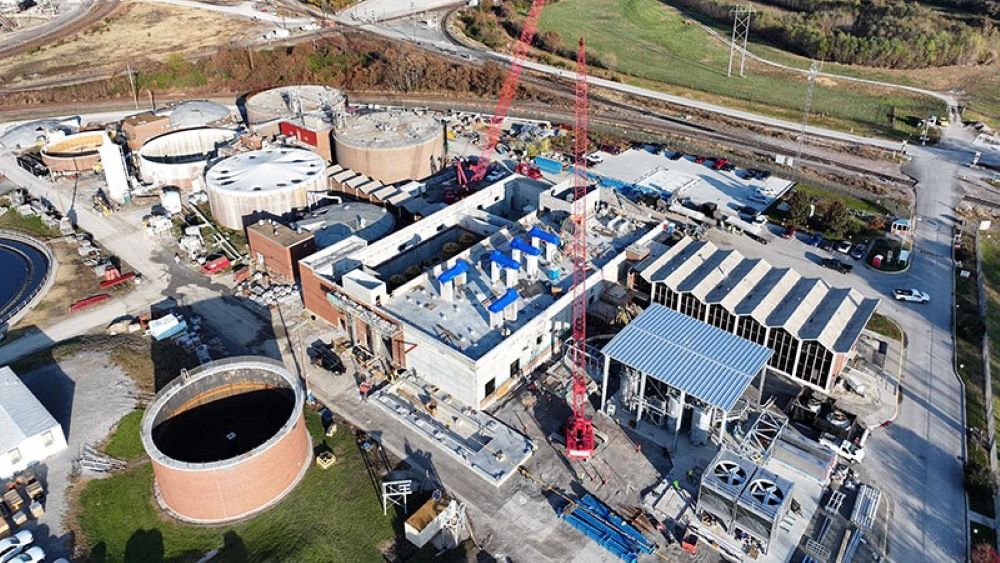
Trash to Treasure: Blue River Facility Will Turn Solid Waste into Natural Gas and Fertilizer
Kansas City is building a new $140 million Blue River Biosolids Facility designed to more efficiently convert solid waste into natural gas and fertilizer.
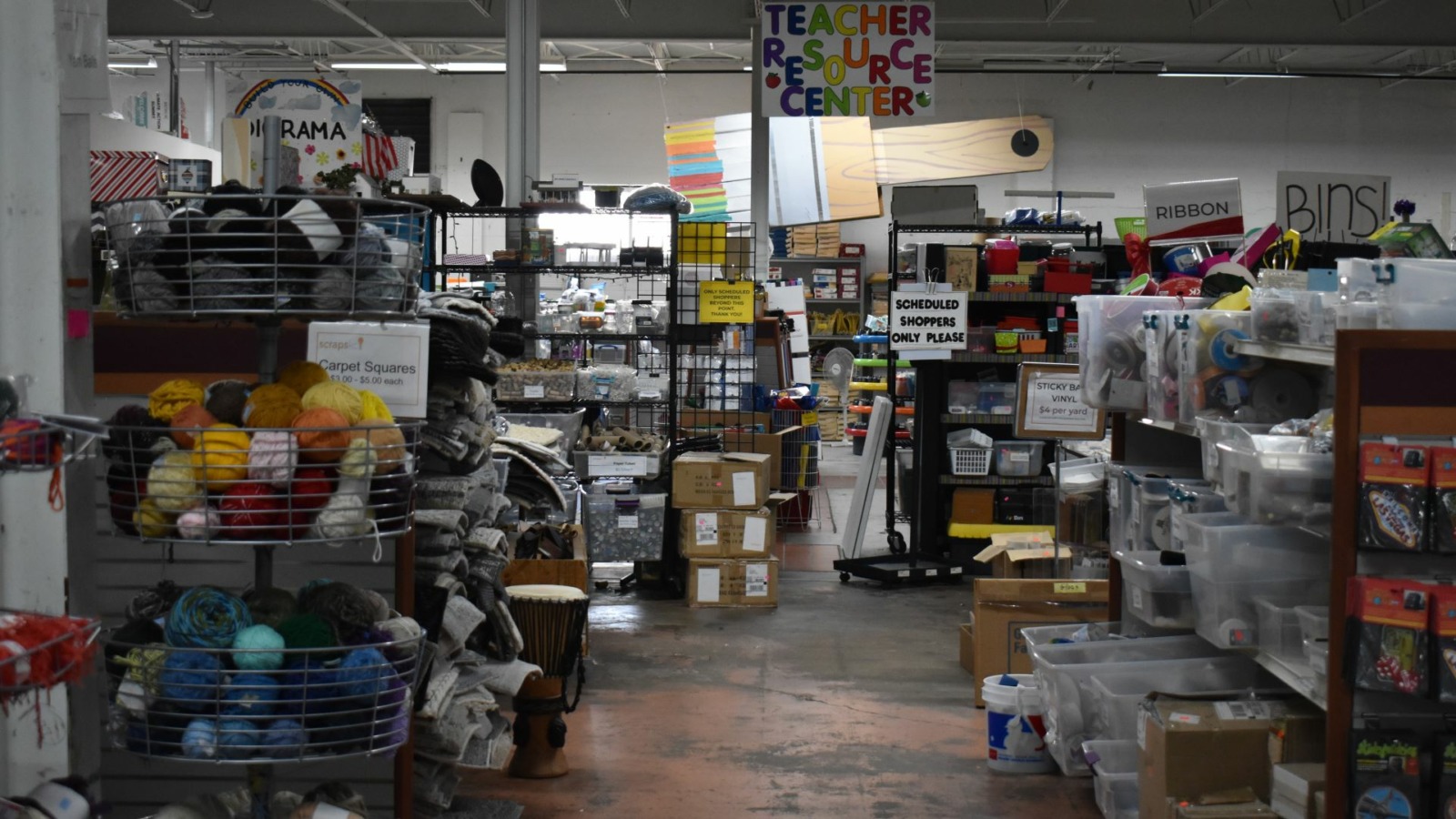
As Landfills Approach Capacity, Upcycling Gains Momentum
As Kansas City area landfills approach full capacity, more people are embracing upcycling as a sustainability strategic to divert waste.

Nick’s Picks | Country Club Plaza Sale, Presidential Debate
This week's news in Kansas City include the sale of the Country Club Plaza, the first presidential debate and a big soccer tournament. It's going to be hot.