
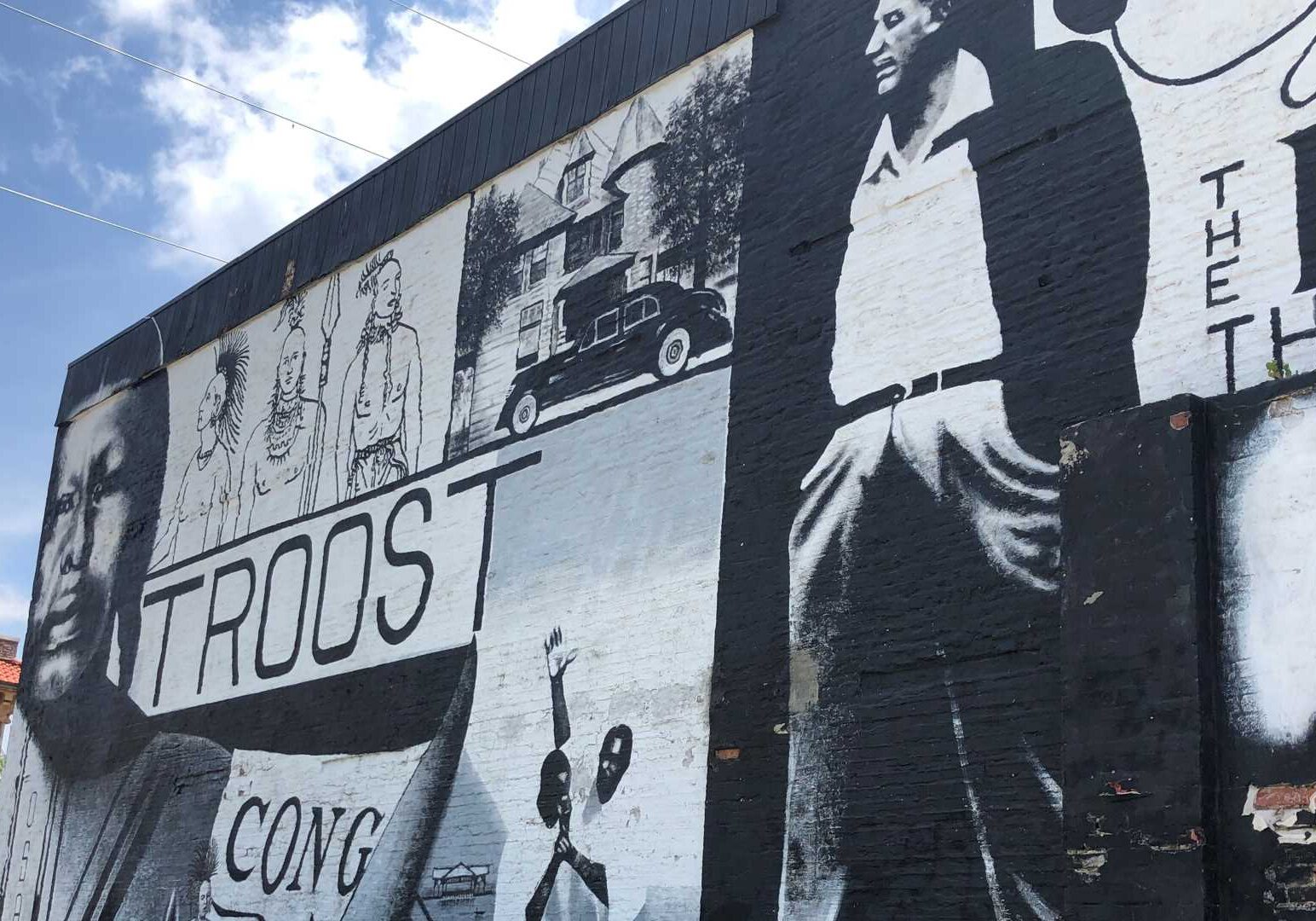
Faith Community Gathers on Juneteenth to Pray on Troost
June 19, 2020 | | 4 min read
Porsche Seals spent the majority of her childhood at 2535 Forest Ave., one block east of Troost Avenue. She remembers spending her “formative years” riding the city bus, walking to nearby stores and meeting up with friends.
But what stuck with her the most was the love she learned from her local church community.
Now nearly 20 years later, Seals is bringing that love back to that Forest Avenue block in a stand against racial injustice and discrimination.
“I feel that it’s important for me to give back to where I’m from by being in a place that’s special to me,” Seals says.

Black and white churches from various denominations will come together today on Juneteenth to participate in Pray on Troost, a human prayer chain stretching along the east sidewalk of Kansas City’s historic racial dividing line. The hour-long event will start at 7 p.m. and is open to the public.
Participants are encouraged to write a one-word prayer on a piece of tape placed over their face masks as they quietly pray to themselves. Because of the COVID-19 pandemic, participants are also advised to stand at least six feet apart from each other.
This demonstration comes during a wave of nationwide protests following the killing of George Floyd and other incidents of police brutality against members of the Black community. According to a news release, the event is “strategically” held on Juneteenth to commemorate the final emancipation of slaves following the end of the Civil War in 1865.
Words on Juneteenth
To “heal the racial divide” here in Kansas City, participants like Seals felt that Troost would be an appropriate symbolic place to hold the event.
“It’s necessary that we pray at the places where the pain is, where the root of the matters are,” Seals says. “It’s a huge responsibility, but it’s necessary for reconciliation.”
Dubbed “The Troost Wall,” the major street is a racial dividing line through the heart of the city. Due to years of redlining and school segregation, Black families were largely confined on the east side of the “wall.”
According to Census data, the Black poverty rate is 26 percent while the White poverty rate is only 8 percent. Studies have pegged Kansas City as the fifth most economically and eighth most racially segregated city in America.
Juneteenth 2019
Colonial Presbytarian Church Pastor Greg Ealey is calling to God to help give him wisdom on how the community can heal this divide. He says he was inspired by the human prayer chains between rioters and the police during the Ferguson, Missouri, protests in 2014.
After meeting with other local pastors and Jonathan Thomas, the man behind the “civil righteousness” demonstrations in Ferguson, Ealey decided they should replicate that in Kansas City.
“We are praying for God to break down the dividing walls represented by the disparities in education, health care, wealth and others so that we can truly be equal no matter what ethnicity you are,” Ealey says.
However, some members of the community are wary of just stopping at thoughts and prayers.
Local activist Hakima Tafunzi Payne says she took issue with the narrative the event may inadvertently push, especially since a good portion of people who RSVP’d on Facebook are “white suburbanites.”
“Coming down to the ghetto and praying for us is a narrative I don’t wish to support,” Payne says. “We don’t need their prayers at all. We need them to create a better society. Get out there and change the systems you created.”
Payne serves as the executive director of Uzazi Village, a nonprofit organization advocating against health disparities among African American infants. She met with organizer Cassandra Wainwright, president of the Concerned Clergy Coalition of KC, on Tuesday to discuss ways they can continue the conversation after the Friday prayer event.
They decided on a Facebook Live debriefing Saturday at 5:30 p.m.
“I think we’ll have a pretty good dialogue and it will give people a chance to process what occurred,” Payne says. “I’m sure there’s people participating who do have an understanding of what anti-racism is, but I think there’s a great deal who don’t understand the framework.”
Seals agrees that this is just the beginning of their work. She also appreciates hearing concerns from community members.
“We want to work towards having more ongoing conversations that will work towards building unity, instead of division,” Seals says.
Mawa Iqbal is a summer intern at Kansas City PBS.

Reading these stories is free, but telling them is not. Start your monthly gift now to support Flatland’s community-focused reporting.
Related Stories
Nick’s Picks | Roads, Bathrooms, Costco and More …
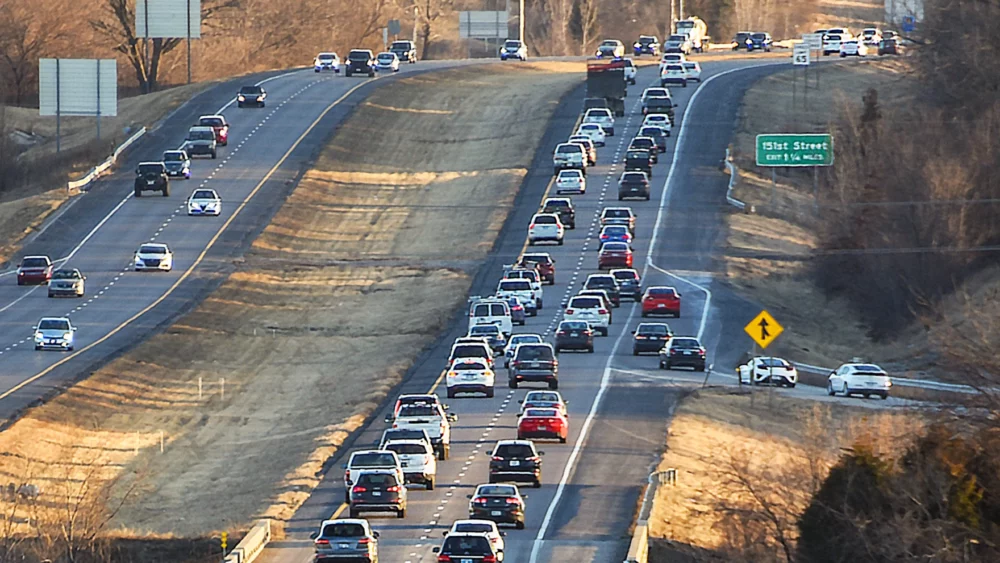
New Toll Road Opens Kansas City’s first toll road opens this week. Starting Saturday, you’ll pay up to $3.50 to travel the new express lanes on U.S. Highway 69 from 103rd to 151st streets in Overland Park. There are no toll booths — cameras scan your license plate, and a bill arrives by mail. KTAG…
Up From the Ashes: Warwick Theatre Revival Draws Applause
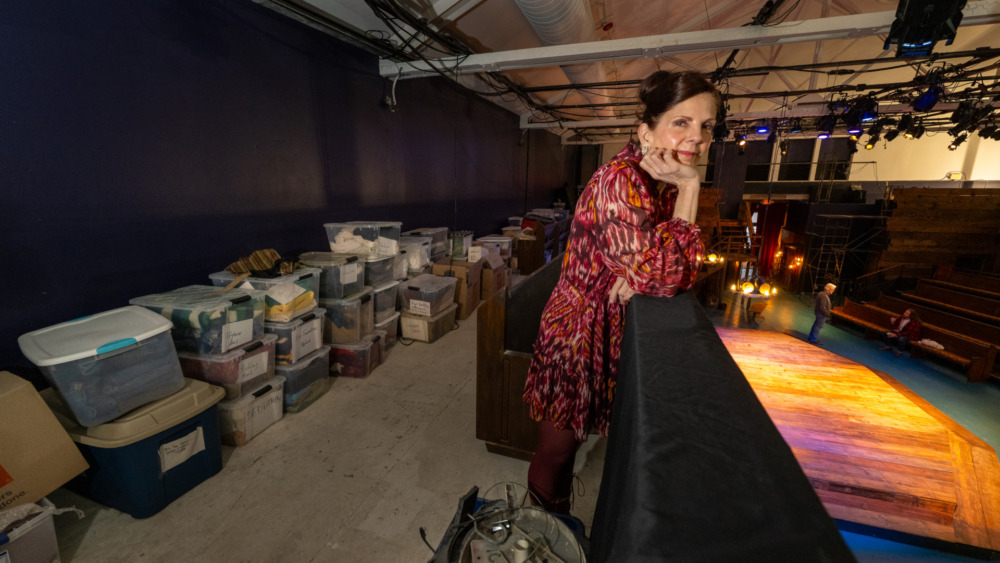
Two years ago, John Cleary met a fellow Kansas City actor for drinks. Their conversation centered on the fate of the Metropolitan Ensemble Theatre. A large portion of the ensemble’s home, the Warwick Theatre, was ash, charred timbers and soot-saturated costumes and props — remnants from a recent massive fire. The destruction was so great…
Nick’s Picks | Baseball, Drones, Romance and More …
Royals Reveal Next week, the Kansas City Royals head to Arizona for Spring Training. And that’s the mayor’s self-imposed deadline to lock in a stadium deal. So, is this finally the week owner John Sherman steps to the plate and unveils where the Royals will build their next home? At last week’s council meeting, Mayor…