
curiousKC: Turning Trash Into Treasure Isn’t Getting Any Easier
April 6, 2020 | Cody Boston | 3 min read
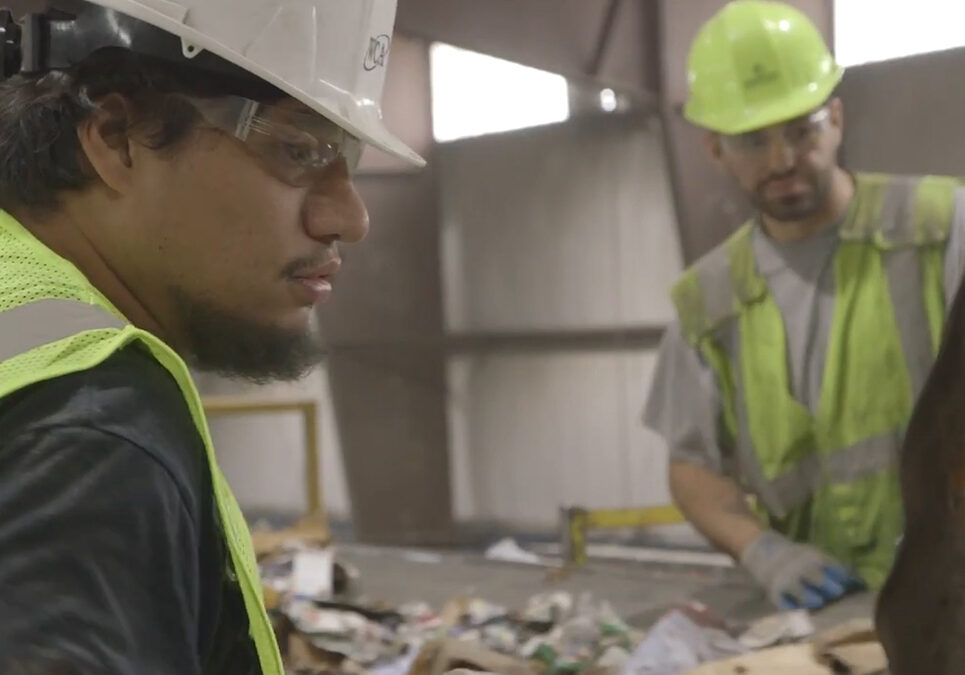
Glass. Cardboard. Plastic. Paper. It may feel great to toss that stuff into recycling bins, but is it as effective as we hope it is? And if it isn’t, should we even bother?
A curiousKC follower has been wondering this same thing, so we talked to Bridging the Gap’s Community Recycling Center Manager John Fish Kurmann to hear about the current state of recycling in Kansas City.
It’s a good news, bad news story. Let’s get the bad news out of the way.
For years, the U.S. and Europe had been able to sell their recyclable materials to China. That changed in 2018 when China enacted it’s “National Sword” policy, which imposed an acceptable contamination limit of 0.5% on recyclable materials. “It’s a standard that few if any of the material recovery facilities in the United States can meet,” Kurmann says.
As a result, many Kansas City area recycling centers that once were found in school and church parking lots have been shut down. According to Kurmann, “The churches and schools went from being paid for the materials collected for recycling to having to pay to have the recycling bin.”
The good news is that Kansas City centers are still able to find domestic buyers for their recyclable materials due to the metro’s central location within the U.S. However, contamination in curbside recycling remains a problem.
“Around one-quarter of what’s going into local curbside bins…is contamination,” says Kurmann. More contamination in collected materials translates to more labor required to sort recycling, which results in even higher costs at material recovery facilities.
So where do we go from here? Kurmann says there are a few options.
When it comes to increasing the viability and marketability of recycled materials, policies that require companies to use recycled materials will be needed.
“As of now it’s entirely up to individual companies to decide whether or not they use recycled materials,” says Kurmann, “which is why, if you go out looking for products that contain recycled materials, you will not have an easy time finding them.”
At an individual level, Kurmann’s advice is to “up our recycling game.” Stay conscious about what is recyclable as well as what isn’t and reduce your use of low value materials like plastic.
For information on what is recyclable and where you can recycle it in Kansas City, visit www.recyclespot.org
Reading these stories is free, but telling them is not. Start your monthly gift now to support Flatland’s community-focused reporting.
Related Stories
curiousKC | How Mexican Communities Kept KC Boxcars Cold
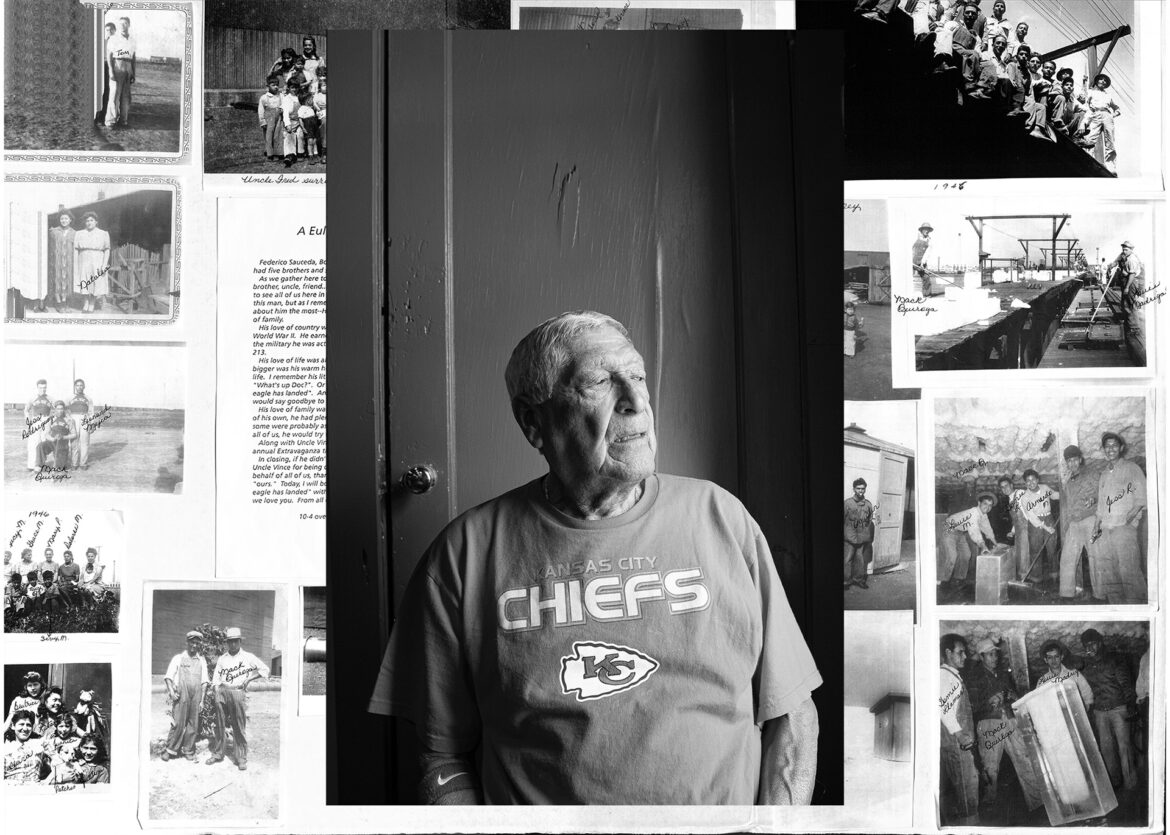
This is the story of "La Hielera" aka "The Ice Plant," the tiny Mexican community nestled behind the 42nd Street Bridge and Santa Fe Railroad main line.
curiousKC | Here’s How to Stay Healthy These Days, Say KC Health Leaders
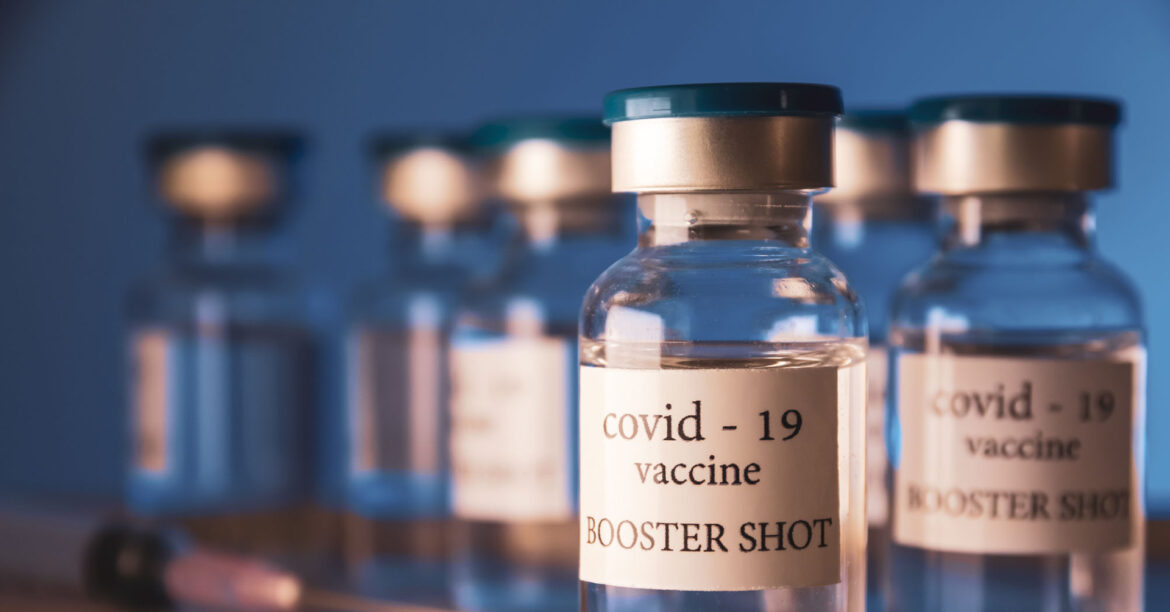
Here's what local health care experts and public health researchers want you to know about COVID-19 right now.
curiousKC | Where is the Charlie Parker Memorial Foundation’s Music School now?
The Charlie Parker Memorial Foundation school of music was lauded in the '70s for getting kids "off the streets," and "into the arts." Local jazz artist asked: "What happened to it?"