
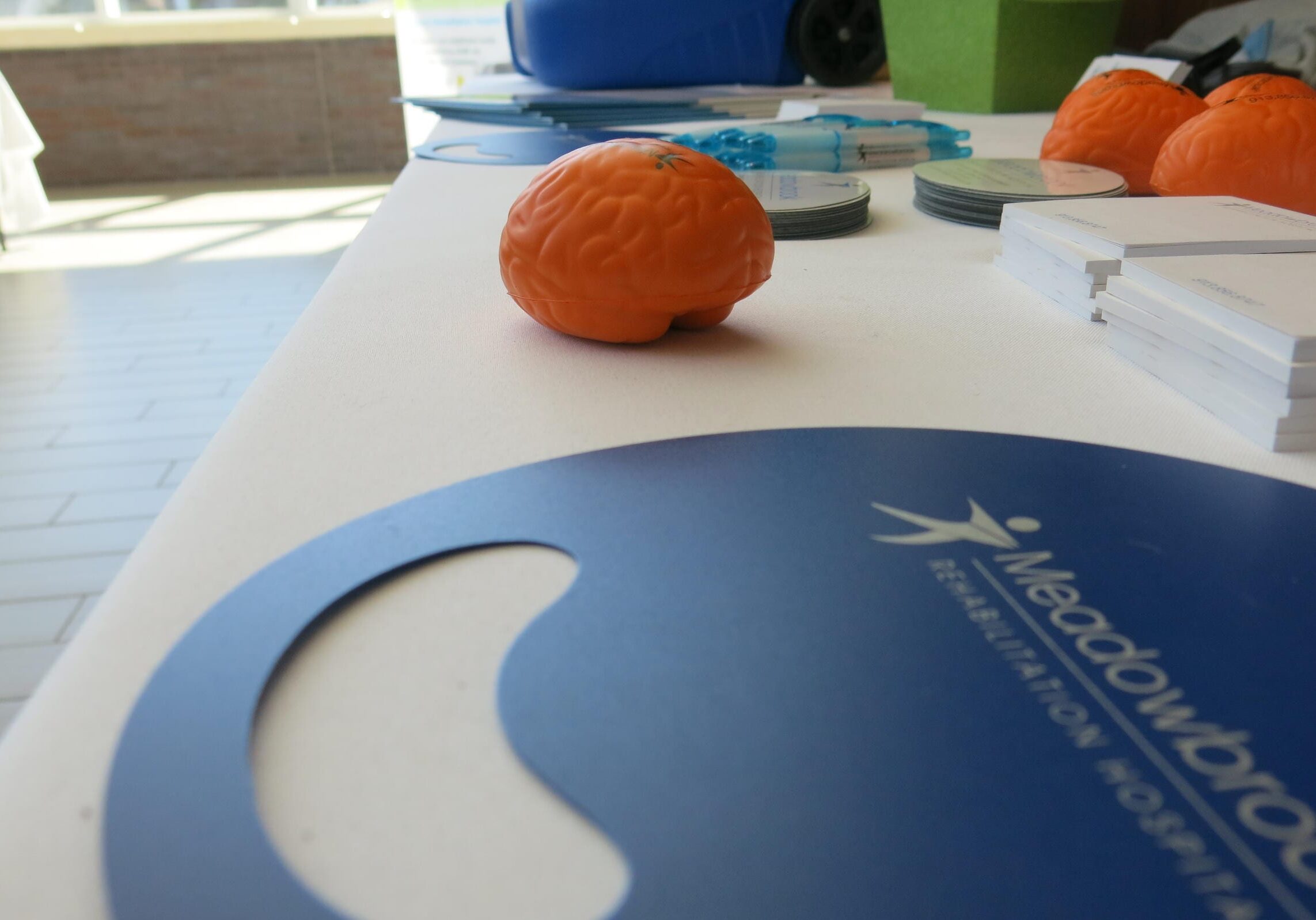
Dr. Joseph Waeckerle says he’s always been interested in sports medicine because athletes are usually highly motivated to get better and get back on the field.
Put simply, they’re better patients.
But now doctors know more about concussions than they did when Waeckerle, a longtime Kansas City physician, studied sports medicine in the 1970s.
“In the past, the assumption has been that most anyone can take care of a concussion,” Waeckerle says.
Not anymore.
“The science, the experience, the clinical wisdom, the patient population — we need to be a little bit more careful about who we trust our child to, who we trust ourselves to and who we trust to make decisions about the future,” Waeckerle says.
Waeckerle, who spoke Thursday at a Brain Injury Association conference in Overland Park, Kan., is an expert on concussion management. He sits on the National Football League’s Head, Neck and Spine Committee. He also works on return-to-play issues for the NFL Players Association.
“You’ll never prevent concussions,” Waeckerle says. “Concussions are inevitable.”
What doctors can do is make concussions safer. But Waeckerle says Kansas and Missouri rules for high school athletes with head injuries are inadequate.
Both states require a physician to clear players before they return to the field after a possible head injury. The problem, Waeckerle says, is that most primary care doctors and even many neurologists don’t have adequate concussion training and might not recognize post-concussion complications.
It’s not just athletes who are at risk.
Robin Abramowitz with the Brain Injury Association of Kansas and Greater Kansas City says even a minor fall around the house can cause permanent damage. Worse, trouble doesn’t always surface right away.
“Pay attention to how you’re feeling,” Abramowitz says. “Are you all of a sudden getting headaches? Is your vision blurry? Do you feel nauseous? Are you just extremely tired? Are you having trouble with your balance? There are all kinds of things that can happen, and sometimes these things don’t show up until a couple days later.”
A collaboration among KCUR Public Radio, KCPT Public Television, KHI News Service and Kansas Public Radio, Heartland Health Monitor focuses on health issues and their impact in Missouri and Kansas.
Reading these stories is free, but telling them is not. Start your monthly gift now to support Flatland’s community-focused reporting.

Related Stories
Caregiving Squeezes Households Between Young and Old
Melissa Johnson knows her life is hardly unique. The Oak Grove, Missouri, woman cares for her infirm 72-year-old mother, who lives in her own home nearby. She calls her mother daily. She brings dinner to her several times a week. Johnson, who coordinates care with her aunt, a team of therapists, and a nurse, is…
Feeding Tubes and Defibrillators
Let’s begin with two stories about the growing and important field of bioethics. The first is from Ryan Pferdehirt, the newly named Flanigan Chair in Bioethics at the Kansas City-based Center for Practical Bioethics. A hospital once asked him to consult on a bioethics case in which a son thought his desperately ill, hospitalized mother…
After Tuberculosis Outbreak, Wyandotte County Parts Ways with Health Director
The director of the Wyandotte County Public Health Department is no longer with the agency, a spokesperson confirmed Tuesday. It comes after turmoil during the handling of the major tuberculosis outbreak, shown by emails obtained by the Kansas News Service. Elisha Caldwell had been head of the local health department while an outbreak of TB grew…