
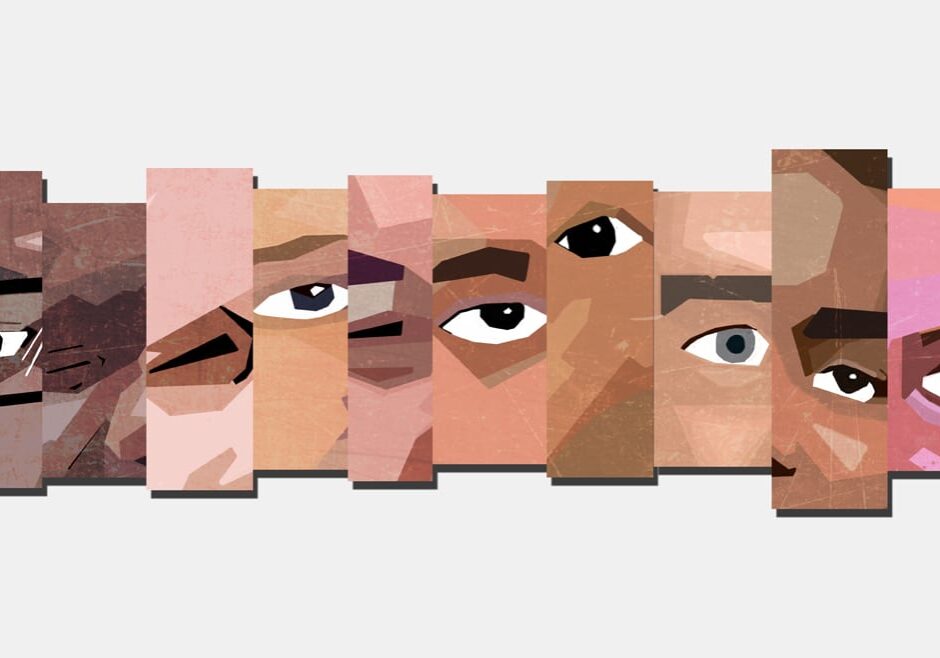
Just this week, the New York Times detailed a study finding that police are more likely to rough up blacks than whites, meaning tactics like cuffs, pepper spray, and forcing the suspect against a wall. However, it also found no racial bias in lethal force, the deadly shootings we’ve come to rally around.
The graphic below doesn’t speak to the heart of current tensions — that blacks are disproportionately victims of unprovoked police killings — but it is an overview of where we stand today. And where we stand is here: The U.S. lacks comprehensive data on officer-to-citizen interactions.
We found that it’s the media, not government agencies, keeping the closest tab on use of police force. The Washington Post’s comprehensive Fatal Force database doesn’t, however, list officer deaths. Another newspaper calculated the percent increase from this time last year following the Dallas, Texas shootings.
The harrowing part? Deaths on both sides continue to rise.
Reading these stories is free, but telling them is not. Start your monthly gift now to support Flatland’s community-focused reporting.

Related Stories

Lady Pitmasters Work to Break Barbecue’s Gender Stereotypes
Work in a barbecue joint can involve hoisting 85-pound cases of brisket and cleaning away the soot, grease, and grime inside the pits. No place for a woman? Tell that to aspiring pitmaster Veronica Scroggins and her mentor Scott Umscheid, owner of Scott’s Kitchen & Catering at Hangar 29, located in a former car rental…

Abandoned Swope Park Lodge Eyed for Native American Center
The playground bullies had cornered a target, a little girl about 5 years old. Chris Cotten remembered running across the park, demanding an explanation. “Oh, we’re just picking on this Indian,” was the reply. That Indian, the one with skin darker than his own, was Cotten’s younger sister. “We’re adopted, and I’m part Indian too,”…
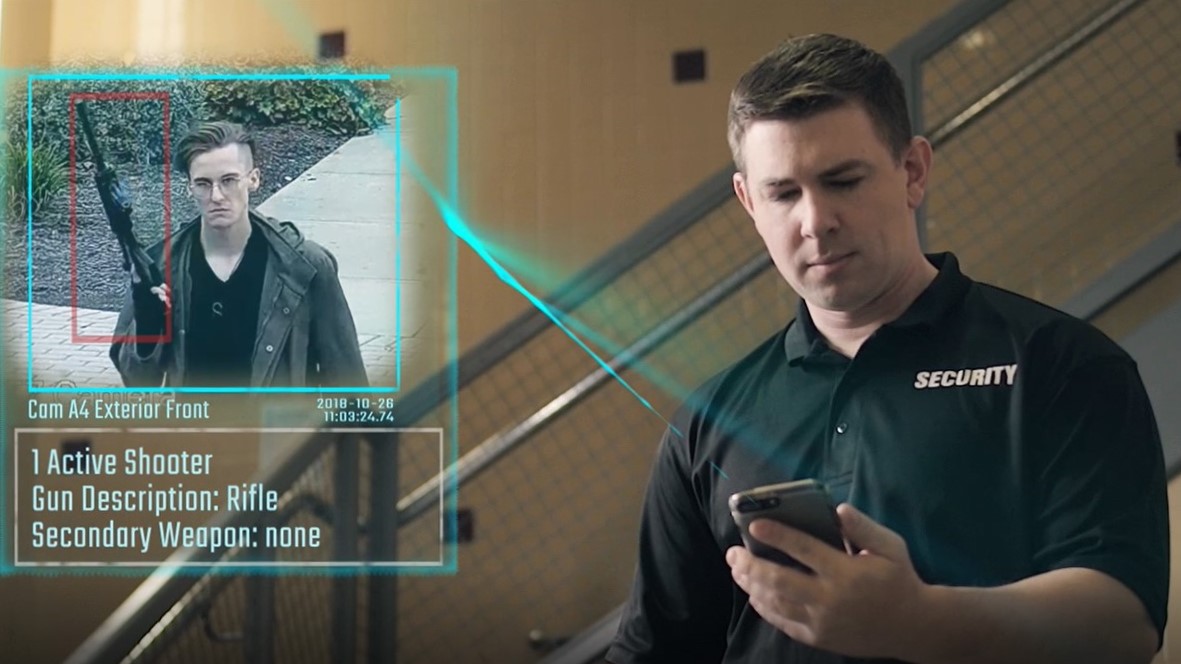
Kansas and Missouri Lawmakers Tried Funding AI Weapon Detection Technology. How Does it Work?
ZeroEyes, an AI weapons detection system, is in 42 states. But some wonder about privacy issues, and whether there better ways to address gun violence.