
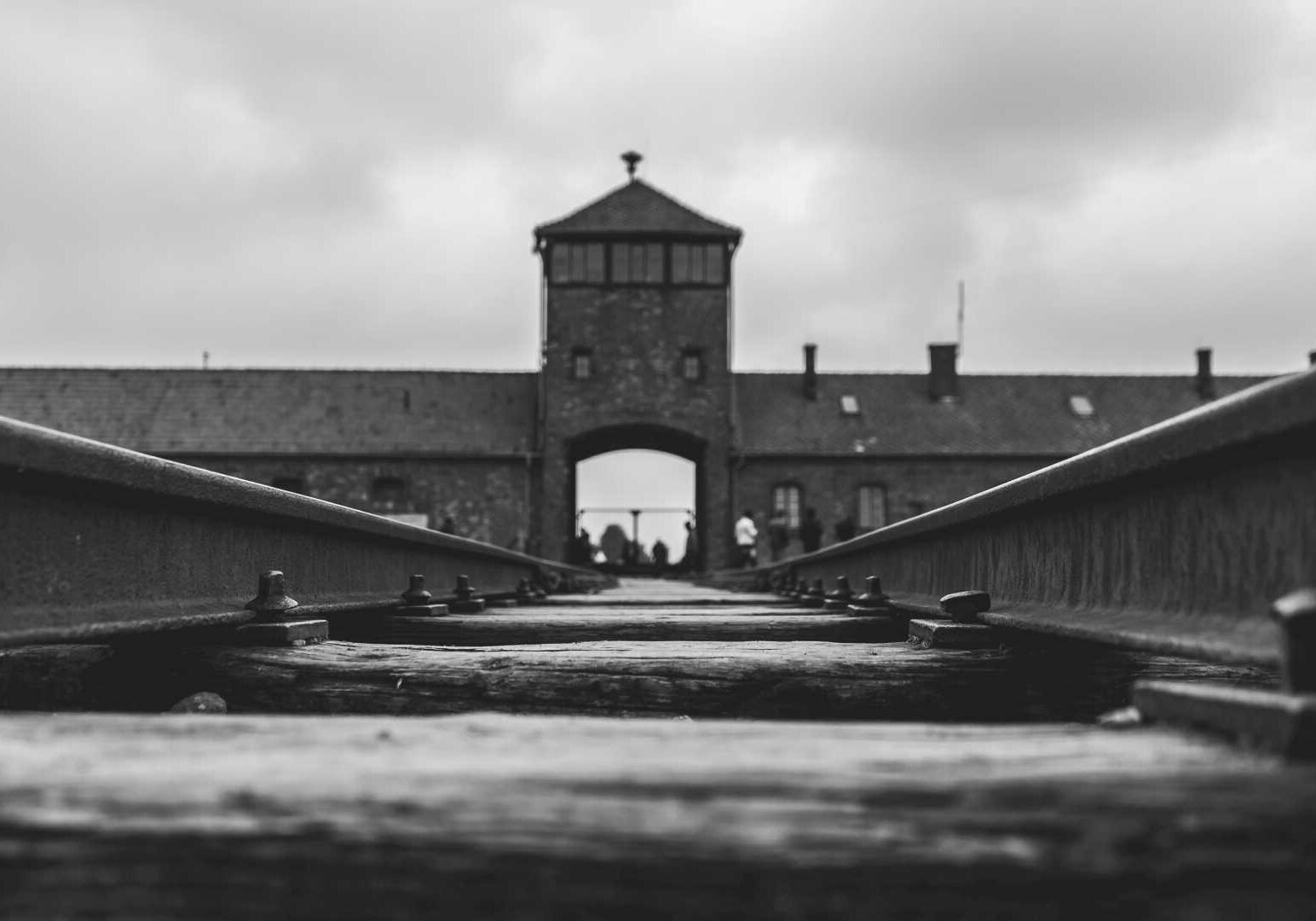
Auschwitz Exhibit Teaches Children About the Holocaust
June 18, 2021 | Catherine Hoffman | 2 min read
Savannah Lord moved slowly through the dimly lit halls of Union Station’s Auschwitz exhibit, pausing to examine the glasses of an unnamed victim.
The 11-year-old didn’t know what the Holocaust was before entering.
Her brother Jackson, 13, knew bits and pieces about the Holocaust – but not from school. He said that his personal curiosity led him to do research, but the topic hasn’t been broached in any history classes.
Hands in his pockets, Jackson methodically moved from artifact to artifact trying to wrap his mind around the magnitude of the events unfolding before him.
He paused for a while, staring quizzically at the pink triangle used to identify gay men in concentration camps.
“I don’t understand,” he later said, mulling over the viciously dehumanizing Nazi ranking system.
Difficult as they are, these are the types of revelations that the curators of “Auschwitz. Not long ago. Not far away.” were hoping to share.
“Some of these things are really important, especially for kids because they need to see that these seeds of hatred and intolerance over time can really manifest themselves in horrific acts,” said Jerry Baber, Union Station executive vice president and chief operating officer.
The exhibit features more than 700 original artifacts ranging from the desk of Nazi party leader Rudolf Hess to the shoe that a nameless child took off before entering a gas chamber.
Baber recalled lingering at Hess’s desk, picturing the horrific orders that crossed its top.
“I want my friends and family to see it because when they hear about Auschwitz, when they hear about the Holocaust, I don’t want them to just quote a fact from a book,” Baber said. “I want them to immediately have this guttural emotional reaction to that topic. It needs to be more than a fact in our brains.”
For more discussion of the Auschwitz exhibit, watch “Kansas City Week in Review” at 7:30 p.m. Friday and 11 a.m. Sunday on Kansas City PBS. A new documentary focusing on the lives of survivors who settled in Kansas City, “All These Delicate Sorrows,” will be airing on KCPBS regularly in coming weeks. The exhibit will be at Union Station through January 2022.
Catherine Hoffman covers community affairs and culture for Kansas City PBS in cooperation with Report for America.

Reading these stories is free, but telling them is not. Start your monthly gift now to support Flatland’s community-focused reporting.

Related Stories
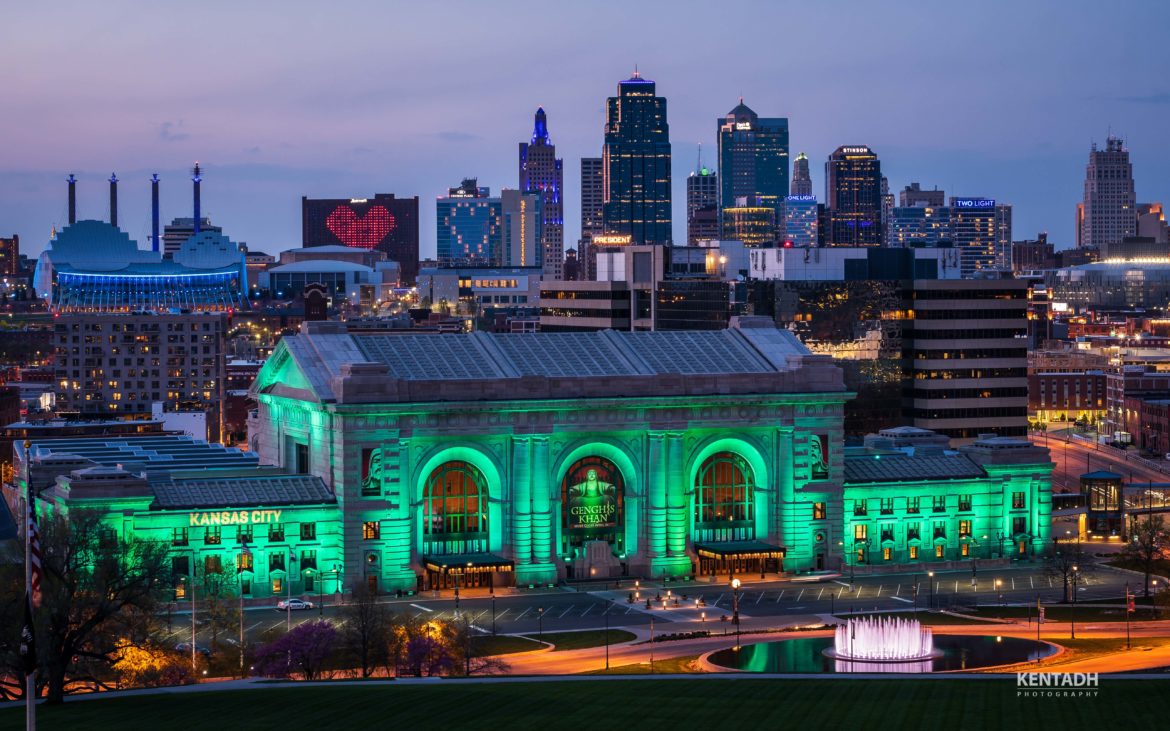
Flatland Now Official Home for CityScene KC Archive
Kansas City PBS’ nonprofit newsroom, Flatland, is now the official home of CityScene KC’s archival content. Visit flatlandkc.local/cityscenekc.
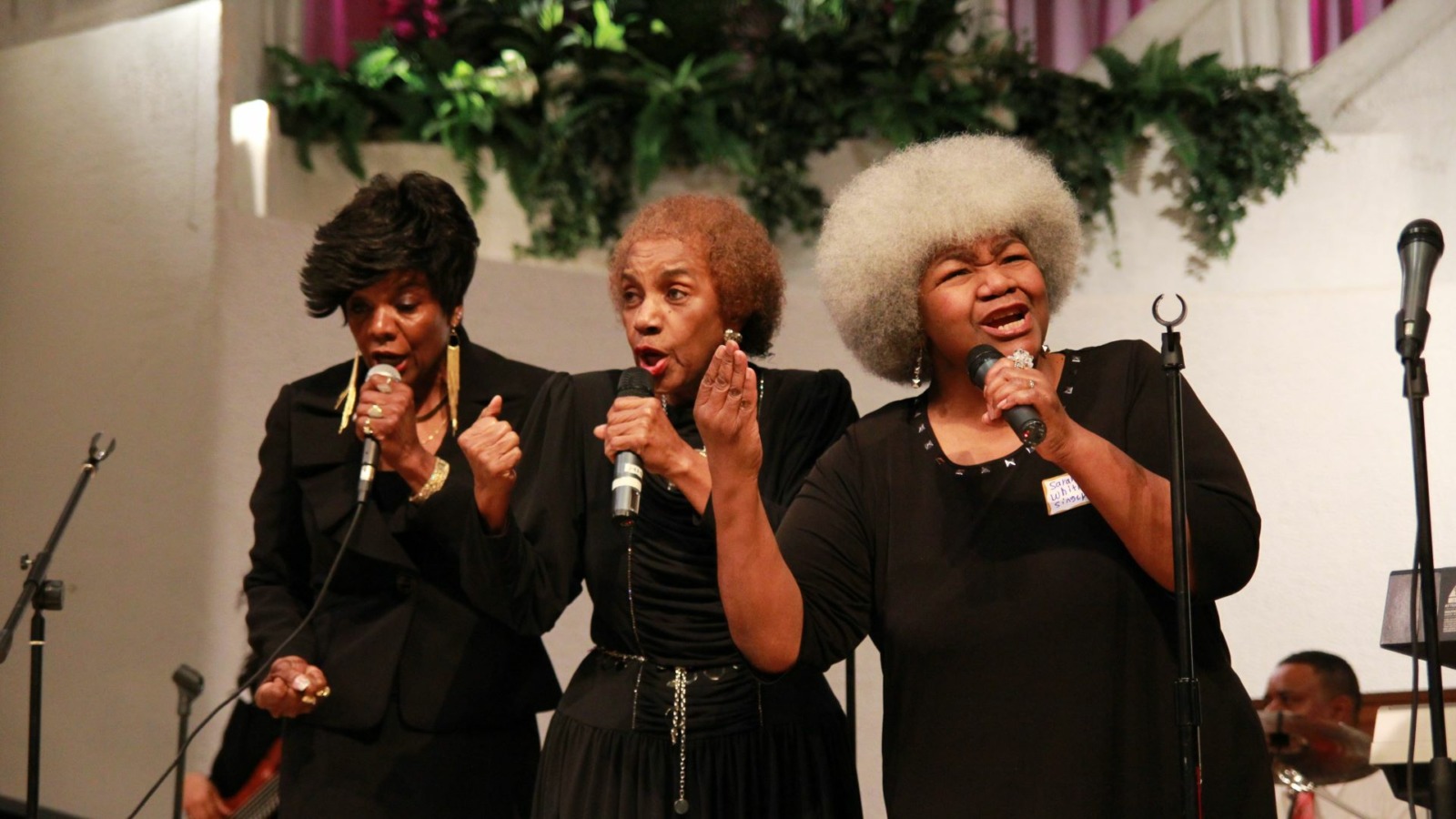
Kansas City and the Roots of Black Gospel Music
Kansas City has a rich and influential legacy when it comes to the development of Black gospel music. This is its largely untold story.
Flatland Reshapes Editorial Direction, Elevating Commitment to Social Equity
Flatland, Kansas City PBS’ nonprofit newsroom, announces an editorial shift, marking an evolution in its mission, content strategy and community engagement.