
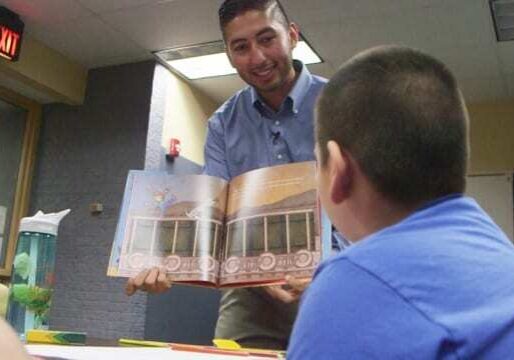
Video by Lindsey Foat, story by Caitlin Cress
The national high school dropout rate is around 6 percent, according to the National Center for Education Statistics. When it comes to the children of migrant agricultural workers, that number is closer to 43 percent, according to a study published on the Education Resources Information Center website.
Migrant families move frequently to pursue employment opportunities. Randy Lopez, the migrant education program coordinator for the Shawnee Mission, Kansas, school district said these moves help workers support their families, but often disrupt the education of their children, who may be placed in several different classrooms by the end of a school year.
“These families are moving around from one city to another, from one community to another, from one district to another, and sometimes it could be two, three, four moves in a single school year,” he said. “There are a lot more interruptions in that child’s education.”
Mike Toole, the identification and recruitment coordinator for Kansas’s migrant education program, said that these moves can specifically disadvantage students.
“When kids move from one district to the other, a lot of times, they’re leaving one spot where they’re doing subtraction or fractions, and they might move to a district where they’re already doing multiplication,” he said.
This leads to gaps in the students’ education, which only escalates once the students reach high school.
“At the secondary level, when you transfer from one state to another or even one district to another, not all of your credits necessarily transfer,” Toole said. “… when kids get further and further behind in their credits, the likelihood that they’re going to drop out gets even greater.”
Migrant education programs, like those in both Missouri and Kansas, help fill educational and credit gaps.
“The program is designed to provide additional services to help the kids … learn the material, fill in the educational gaps, gain enough credits to be able to graduate, hopefully with their cohort group,” he said.
Both states’ programs are part of their respective departments of education and are federally funded. In order to participate in Kansas or Missouri’s migrant education programs, the student must be younger than 21, entitled to a free public education under state law, be a migrant agricultural worker or be the child, parent or spouse of a migrant agricultural worker and must have moved in the previous 36 months between school districts or states in order to find work or to accompany a family member searching for work.
In Kansas, 3,900 students are part of the migrant education program. The program was allotted $11,412,543 for the 2014–15 school year. Missouri serves closer to 500 migrant education students, but comprehensive numbers were not made available to the Hale Center.
About the video:
Randy Lopez is just one of the many teachers serving the migrant education population in Kansas. In the video above, reporter Lindsey Foat speaks with Lopez about the importance of migrant education and what motivates him to teach this at-risk population.
Major Funding for Education coverage on KCPT provided by Jo Anna Dale and the Ewing Marion Kauffman Foundation
Reading these stories is free, but telling them is not. Start your monthly gift now to support Flatland’s community-focused reporting.
Related Stories
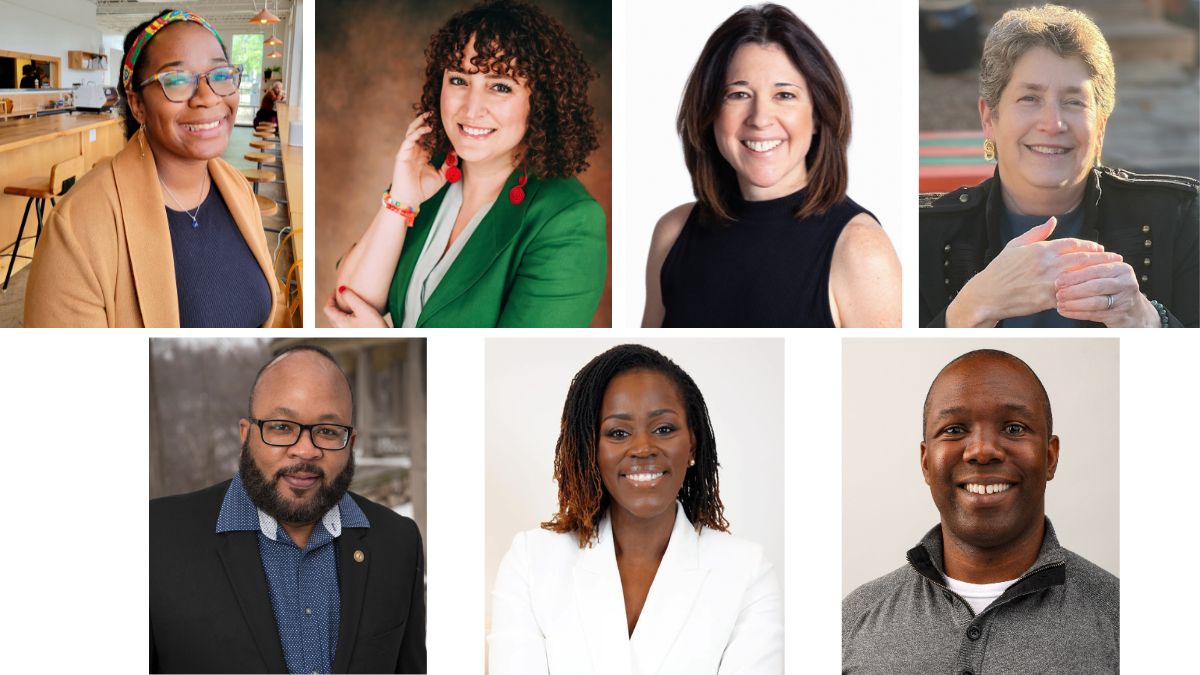
Meet the Kansas City Public Schools board candidates for the April 2025 election
This story was originally published by The Beacon, an online news outlet focused on local, in-depth journalism in the public interest. Meet the Kansas City Public Schools board candidates for the April 2025 election All seven candidates running for the Kansas City Public Schools board support the $474 million bond issue that’s also on the…
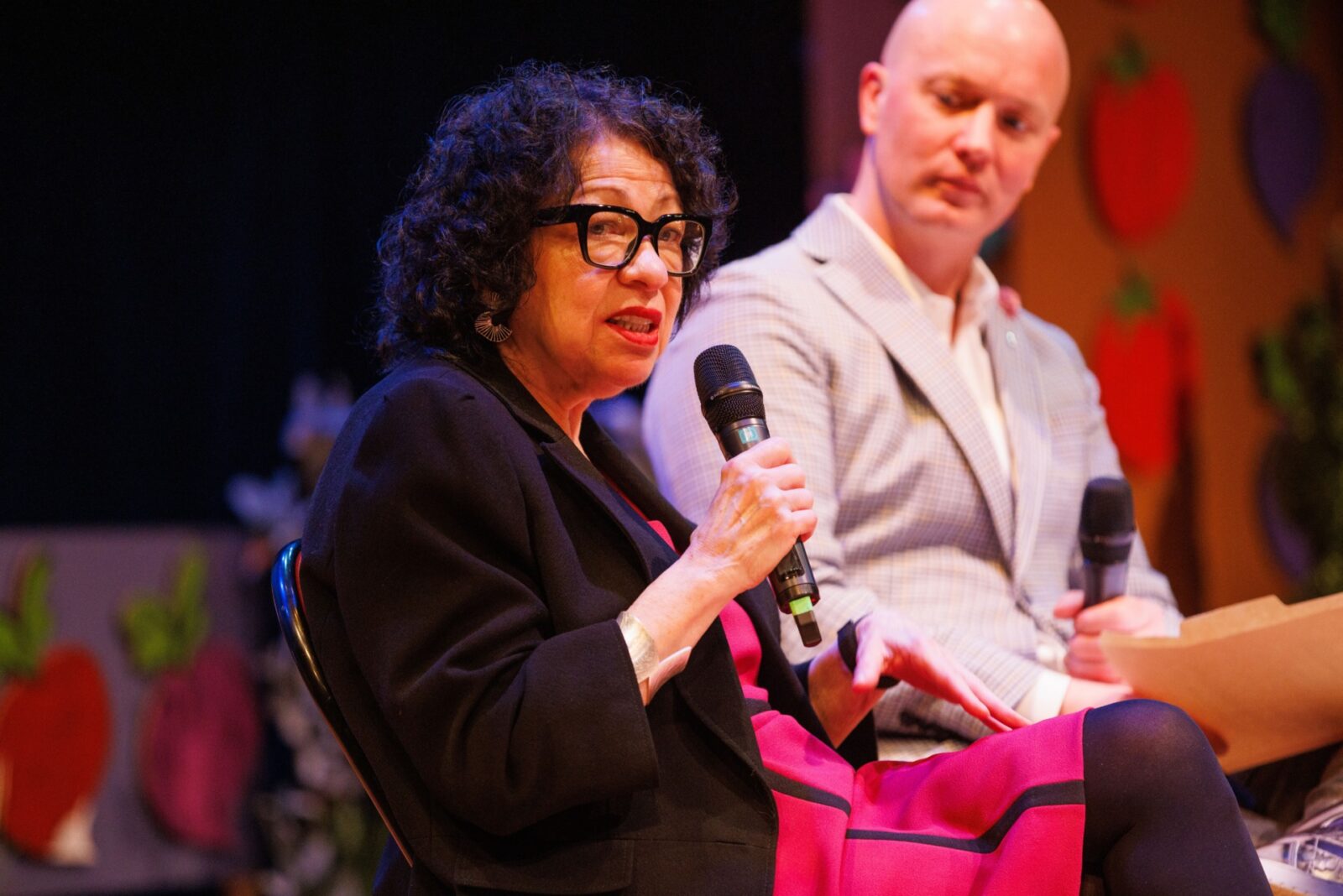
SCOTUS Justice Applauds KC Stage Adaption of Her Book
As the first Latina, and the third woman on the U.S. Supreme Court, Justice Sonia Sotomayor is noted for reasoned questioning and, at times, searing dissents. But legal opinions, despite obvious historical weight, aren’t the writings that Sotomayor referred to as her life’s work during her recent visit to Kansas City. The messaging within her…

Nick’s Picks | DNC in Chicago, KC Symphony Takes Europe, KCPS Seeks New Funds
Trump VP pick in KC The road to the White House finally cuts through Kansas City this week. Republican vice-presidential candidate JD Vance will be in Johnson County on Thursday. He is headlining a fundraising reception at a private home in Mission Hills. Currently, Vance has no plans to meet with the public while he’s…