
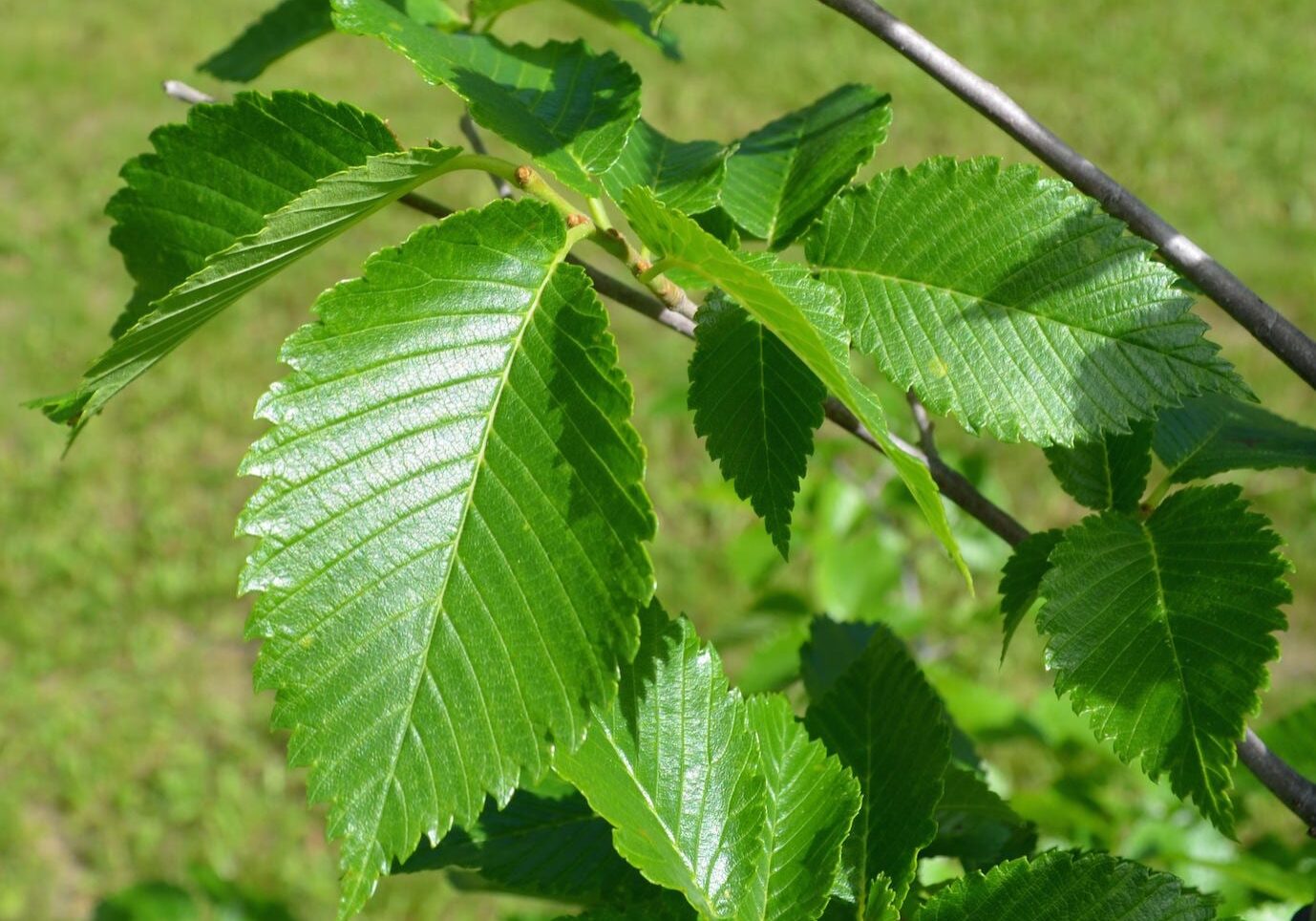
Doctors Warn Of (Another) Early, Intense Spring Allergy Season In Kansas City
The early spring weather Kansas City is expected to enjoy this weekend can be a mixed blessing for allergy sufferers.
Doctors at Children Mercy Hospital in Kansas City report surges in pollen and mold have accompanied the blips of early warm weather the area has experienced so far in 2016 and that an intense allergy season is likely ahead.
“Think about the last time you had a really bad cold, and then about having that cold for six weeks a year, every year during the same time of year,” says Dr. Jay Portnoy, division director of allergy/asthma/immunology at Children’s Mercy, describing what many of his young patients experience during the spring.
The prime culprits for the early pollen spikes include elm, maple, and juniper trees. Cladosporium and ascospores account for most of the mold.
Portnoy says high spring tree pollen levels also often predict high grass pollen levels in the summer.
Children’s Mercy has been monitoring airborne allergens at its Hospital Hill campus for 15 years, and Portnoy says their levels have risen consistently during that time.
— Alex Smith is a reporter for KCUR
Big Challenges Await Brownback Rural Health Working Group
Members of Gov. Sam Brownback’s Rural Health Working Group have their work cut out for them.
Representatives of the state’s hospitals and doctors painted a sobering picture of the problems facing rural providers at the group’s first meeting on Feb. 23.
Melissa Hungerford, a vice president at the Kansas Hospital Association, briefed the working group on a project she has been leading aimed at developing a more sustainable rural health care facility.
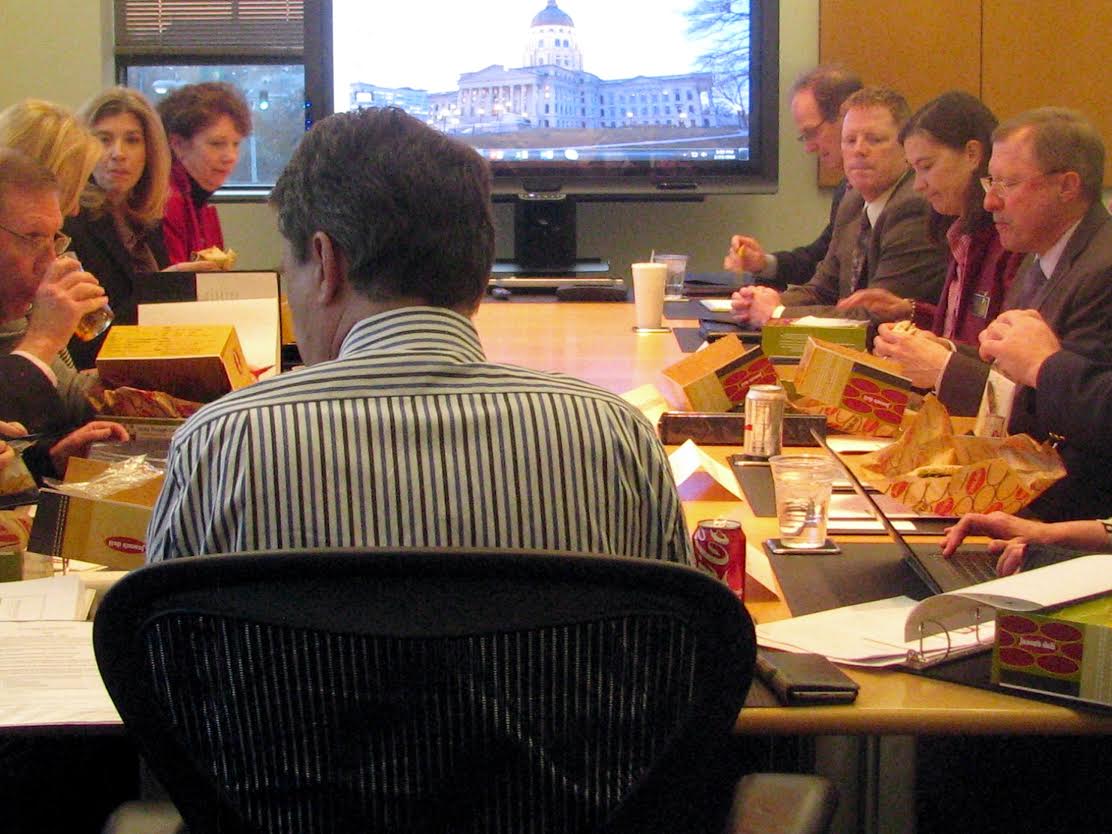
Members of Gov. Sam Brownback’s Rural Health Working Group had their first meeting on Feb. 23 in Topeka. Lt. Gov. Jeff Colyer will lead the group and said he would like to have some have preliminary recommendations for Brownback to review by late fall. (Photo: Jim McLean | KHI News Service)
Though the model isn’t fully developed, Hungerford said the smaller hybrid facilities would offer a more limited range of services than the critical access hospitals, which now serve many rural Kansas communities.
“We can’t keep going the way we’re going without kind of changing the whole system and looking at the system as a whole,” Hungerford said.
She said the search for a new rural health care delivery model is being driven by a combination of factors, which include the low use of existing facilities, declining Medicare reimbursements and the state’s rejection of Medicaid expansion, which to date has cost Kansas health care providers more than $1 billion in additional federal funding.
“Financial issues are a huge challenge,” Hungerford said. “About 69 percent of our rural hospitals are in the red for Medicare.”
— Jim McLean is executive editor of KHI News Service in Topeka, an editorially independent initiative of the Kansas Health Institute and a partner in the Heartland Health Monitor reporting collaboration. The collaboration also includes KCUR and KCPT.
Brownback Touts Poverty Reduction, But 80 Percent Removed From Food Stamps Still Below Line
Kansas Governor Sam Brownback made his case Thursday for why Kansas food stamp reforms should be a national welfare-to-work model, even though the study he used to support his claim showed almost 80 percent of Kansans affected remained in poverty.
The governor touted his administration’s policies — including reinstating a work requirement for food stamp recipients — as an alternative to what he described as a series of failed welfare policies dating back to President Lyndon B. Johnson’s “war on poverty” in the mid-1960s.
Data from the Kansas Department for Children and Families and the Kansas Department of Labor, which the right-leaning Foundation for Government Accountability analyzed for a report, showed incomes rose 127 percent, on average, for the roughly 41,000 Kansans who no longer receive food stamps, Brownback said.
“This is success,” he said. “The objective here is to get people out of poverty.”
Shannon Cotsoradis, president and CEO of Kansas Action for Children, said she is concerned that more Kansans are being disqualified from food stamps because they aren’t working enough hours than because they are earning too much.
Poll: Health reform, costs of care concern Kansans
A new poll from NPR, Harvard University, and the Robert Wood Johnson Foundation explores Americans’ experiences with the health care system in the two years since the Affordable Care Act was fully implemented.
Kansas was one of seven states singled out for closer scrutiny. And while much of what Sunflower State residents said followed national trends, there were some notable exceptions. Of all the states surveyed, Kansas is where the Affordable Care Act is the least popular.
Robert Blendon of Harvard’s T.H. Chan School of Public Health was primarily in charge of conducting the poll. He said of Kansans surveyed, 26 percent thought things improved as a result of the ACA and 13 percent thought their own lives were helped.
“But in terms of the overall figures, people were much more negative about the impact on Kansas as a whole and about individuals,” Blendon said.
— Bryan Thompson is a reporter for KHI News Service
Juvenile Justice Overhaul Proposal in Kansas Draws Praise
The plaudits for Sen. Greg Smith came from points across the political spectrum this week as he shepherded a juvenile justice overhaul bill through the Kansas Senate.
Smith, a Republican from Olathe, Kansas who chairs the Senate Corrections and Juvenile Justice Committee, devoted a full week of hearings to Senate Bill 367, which seeks to refocus the juvenile justice system on rehabilitation rather than confinement.
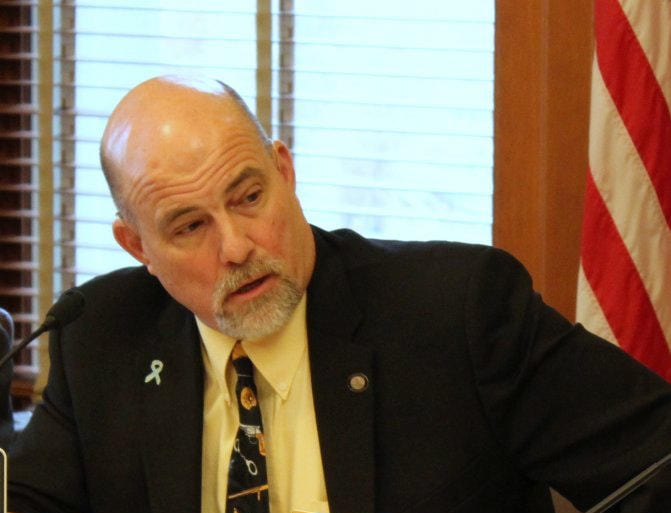
Sen. Greg Smith, an Olathe Republican, gained praise from colleagues for his efforts to shepherd a juvenile justice overhaul through the Kansas Senate. (Photo: Stephen Koranda | Kansas Public Radio)
He also allowed a week for stakeholders to try to hammer out their differences after the hearings. And that was after studying the issue for months between legislative sessions as co-chairman of a volunteer workgroup that included experts in corrections and the law.
Several Senate colleagues praised Smith before passing the bill 38-2 on Tuesday and sending it to the House.
“When you have major legislation, this is exactly how it should go through the process,” said Sen. Carolyn McGinn, a Republican from Sedgwick, Kansas. who is considered more centrist than the conservative Smith.
— Andy Marso is a reporter for KHI News Service
Reading these stories is free, but telling them is not. Start your monthly gift now to support Flatland’s community-focused reporting.

Related Stories
Caregiving Squeezes Households Between Young and Old
Melissa Johnson knows her life is hardly unique. The Oak Grove, Missouri, woman cares for her infirm 72-year-old mother, who lives in her own home nearby. She calls her mother daily. She brings dinner to her several times a week. Johnson, who coordinates care with her aunt, a team of therapists, and a nurse, is…
Feeding Tubes and Defibrillators
Let’s begin with two stories about the growing and important field of bioethics. The first is from Ryan Pferdehirt, the newly named Flanigan Chair in Bioethics at the Kansas City-based Center for Practical Bioethics. A hospital once asked him to consult on a bioethics case in which a son thought his desperately ill, hospitalized mother…

Kansas City is voting on a sales tax to fund a new jail. Here’s what to know about Question 1
Kansas City voters will decide on April 8 whether to renew the city’s public safety sales tax, as part of its efforts to fund and build a new municipal jail. Supporters of the tax renewal say the city is long overdue for its own detention and rehabilitation center — for a decade the city has not had…