
New Study: Downtown Prime Beneficiary of City Incentive Programs
August 23, 2018 | Kevin Collison | 3 min read
By Kevin Collison
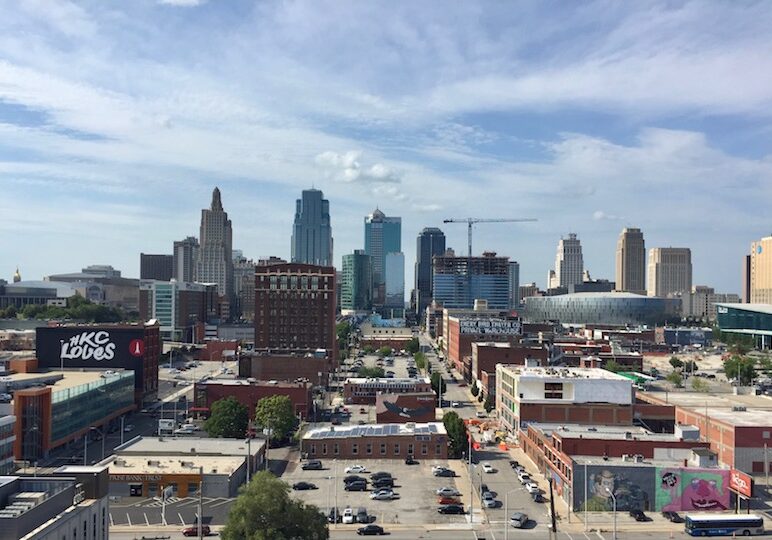
A long-awaited report on how economic development tax incentives are used in Kansas City found the greater downtown area was the primary beneficiary during the 10 years covered by the study.
The study presented last week to the Kansas City Council found the city was getting a good return on its investment with each incentive dollar yielding $3.83 in additional tax revenue.
It also reinforces criticism the most blighted parts Kansas City are not benefiting as much as they should from incentive programs including tax-increment financing and property tax abatements.
“Although incentives were used in many different parts of the city, the highest concentration of TIF and abatement did not overlap with the highest concentrations of blight-related service calls,” the report stated.
“The information…points to a strong connection between the location of incentivized projects and high-value, high-tax generating parts of the city.”

Property tax abatements, a major tax incentive program, were concentrated in downtown in 2014. (Map by Council of Development Finance Agencies)
The study looked at the two major incentive programs:
–Property tax abatements, which allows developers to eliminate or reduce the amount of property tax they pay on new construction, renovation and/or major improvements for up to 25 years. Developers still must pay taxes on the value of the property before it was improved.
City development agencies utilizing tax abatement incentives include the Planned Industrial Expansion Authority (PIEA) and the Land Clearance Redevelopment Authority (LCRA).
–Tax increment financial, which allows developers to divert future property taxes and/or sales taxes generated by new development to pay for public infrastructure construction and other eligible improvement costs for up to 23 years. The TIF program is managed by the Kansas City Tax Increment Financing Commission.

Blight-related 311 service calls in 2014. (Map by Council of Development Finance Agencies)
The report prepared for the City Manager’s Office by the Council of Development Finance Agencies (CDFA) covered the period between 2006 and 2015. During that time, the city was engaged in a major effort to revitalize downtown after decades of neglect.
Incentive programs were and continue to be used to attract new residential, hotels, retail, office and other investment to the downtown area.
During the 10-year study period, there was a $2.66 billion average increase in economic activity, according to the study.
City Manager Troy Schulte noted the success of incentive programs, and encouraged developers to utilize them in other parts of the city.
“The data validates that incentives work, and we want developers to use this data to take their projects into economically-distressed areas that need them the most,” Schulte said in a statement.
The CDFA report was the first comprehensive study conducted in Kansas City to examine the use of tax incentives.
Researchers noted it was difficult to compile because data is spread through numerous development agencies and the three counties where Kansas City is located: Jackson, Platte and Clay.
“This study has delivered a first-of-its kind look at the true value of incentives and their transformative effects on Kansas City,” Mayor Sly James said in a statement.
“The information in this study helps ensure that future decisions regarding incentives are data-driven, not anecdotal, and shows how incentives have been essential in growing our city’s thriving economy and exciting momentum.
The full report can be found here.
Don’t miss any downtown news, sign up for our weekly CityScene KC email review here.

Reading these stories is free, but telling them is not. Start your monthly gift now to support Flatland’s community-focused reporting.
Related Stories
Nick’s Picks | Roads, Bathrooms, Costco and More …
New Toll Road Opens Kansas City’s first toll road opens this week. Starting Saturday, you’ll pay up to $3.50 to travel the new express lanes on U.S. Highway 69 from 103rd to 151st streets in Overland Park. There are no toll booths — cameras scan your license plate, and a bill arrives by mail. KTAG…
Up From the Ashes: Warwick Theatre Revival Draws Applause
Two years ago, John Cleary met a fellow Kansas City actor for drinks. Their conversation centered on the fate of the Metropolitan Ensemble Theatre. A large portion of the ensemble’s home, the Warwick Theatre, was ash, charred timbers and soot-saturated costumes and props — remnants from a recent massive fire. The destruction was so great…
Nick’s Picks | Baseball, Drones, Romance and More …
Royals Reveal Next week, the Kansas City Royals head to Arizona for Spring Training. And that’s the mayor’s self-imposed deadline to lock in a stadium deal. So, is this finally the week owner John Sherman steps to the plate and unveils where the Royals will build their next home? At last week’s council meeting, Mayor…