
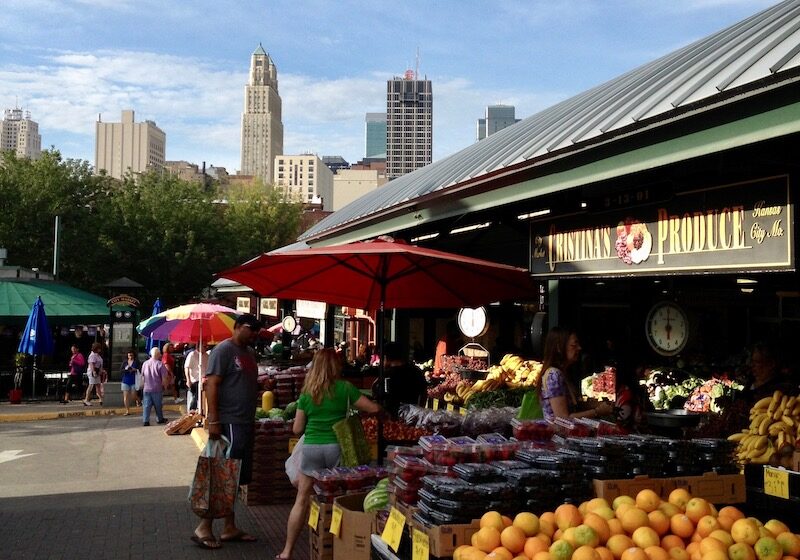
Mayoral Candidate Jolie Justus Discusses Her Downtown Vision
June 12, 2019 | | 4 min read
(Editor’s note. Both mayoral candidates were invited by CityScene KC to write about their vision for greater downtown. Election Day is Tuesday, June 18)
By Kansas City Councilwoman Jolie Justus, candidate for Mayor of Kansas City
I am campaigning on a Neighborhoods First Agenda, and I see our downtown as a neighborhood.
Downtown Kansas City is on a roll, and we must keep that momentum going. Now that private markets possess the confidence necessary to invest in significant projects downtown, the city can shift the nature of its support for the downtown neighborhood.
Like all Kansas City neighborhoods, downtown residents expect responsive city services and appreciate amenities that improve the quality of life.
As private sector confidence increases, the city will focus more on delivering services and fostering amenities, which I believe will draw more residents to the neighborhood.
Incentives will redirect to subsidize the inclusion of public interest-oriented additions to private projects, such as, design attributes that battle climate change.
Transit Improvements
Downtown will also benefit from new economic development policies that bring employees and customers to downtown from other neighborhoods in the city.
With smart public transit improvements, we can forestall downtown traffic congestion while bringing more people through the area.

Councilwoman Jolie Justus
The streetcar extension is one crucial element in my transit improvement vision, but the improvements cannot stop there.
Traveling downtown from South Kansas City, or north of the river will make more sense than loading in a car and heading to the suburbs.
At the same time, since transit lines run in both directions, downtown residents who may not feel the need to own a car for most of their daily activities will have efficient, reliable, and low-cost access to other parts of the city.
I approve of the Kansas City Area Transit Authority (KCATA) willingness to deploy various modes of public transit to meet the needs of micro-communities.
Our City of Neighborhoods
I foresee a new phase of downtown redevelopment, which shifts the public sector’s focus from major construction projects to “redevelopment corridors” that connect downtown to the residential neighborhoods.
When I use the term “redevelopment corridor,” I mean initiatives that tie residential housing, commercial development, and transportation policy.
Many of these corridors will connect downtown with our traditional residential neighborhoods and encourage commercial and social interaction between residents.
In past decades, the city focused on construction on “redevelopment islands,” and we had to start somewhere to restore Kansas City to its standing as an urban center.
However, those efforts showed results slower because they focused mainly on building a commercial framework, then hoping “they will come.”
The island-like redevelopments left businesses removed from the stream of commerce; including, customers and employees. For too long, Kansas City lacked efficient and reliable public transit to move workers and customers in an out of the area.
One thing that became abundantly clear as we restored downtown, redevelopment succeeds faster when there is a residential component, which puts employees and customers close to new businesses.
These corridors – including corridors that run on an East-West axis — will move customers and employees in and out of the Downtown neighborhood.
We can enhance political support for downtown improvements if the traditional residential neighborhoods feel connected to downtown.
Our goal differs from mid-20th Century planners who saw neighborhoods as a means of escaping downtown because we want a symbiotic relationship among multiple parts of our city of neighborhoods.
For a healthy city, we need to re-connect the traditional residential neighborhoods with
the downtown neighborhood – and foster movement of people between and among those areas.
Quality of Life
The quality of life enjoyed by downtown residents will continue to draw people to the neighborhood if city policies support arts, parks, and sports.
Our downtown neighborhood will always serve as a hub for the arts, which adds to the residents’ quality of life. The Sprint Center succeeded in bringing arts and entertainment acts to Kansas City, and the Kauffman Center is an internationally recognized arts venue.
Many small studios and galleries make Kansas City a better place to live and attract new people to the city.
To keep this momentum going, I support renewal of the One Percent for Arts, requirement and am open to discussions of how we can make the program more robust.
As noted, I support the expansion of the streetcar line along Main Street to connect downtown arts venues with the museum district and on to the UMKC Volker Campus.
I also look forward to connecting downtown with Berkley Riverfront Park to enhance the quality of life for anyone along the streetcar line, but especially downtown residents.

Reading these stories is free, but telling them is not. Start your monthly gift now to support Flatland’s community-focused reporting.
Related Stories
Nick’s Picks | Roads, Bathrooms, Costco and More …
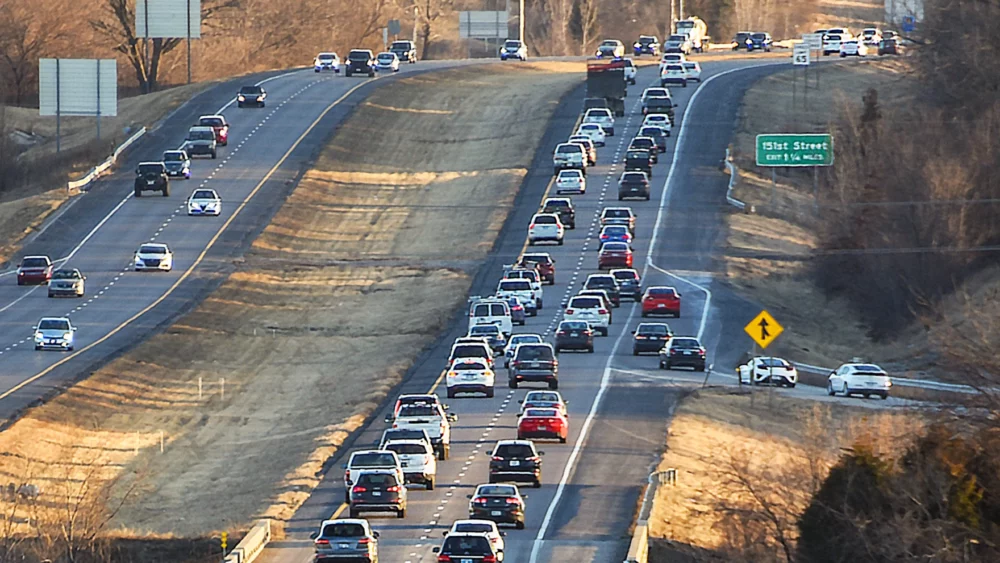
New Toll Road Opens Kansas City’s first toll road opens this week. Starting Saturday, you’ll pay up to $3.50 to travel the new express lanes on U.S. Highway 69 from 103rd to 151st streets in Overland Park. There are no toll booths — cameras scan your license plate, and a bill arrives by mail. KTAG…
Up From the Ashes: Warwick Theatre Revival Draws Applause
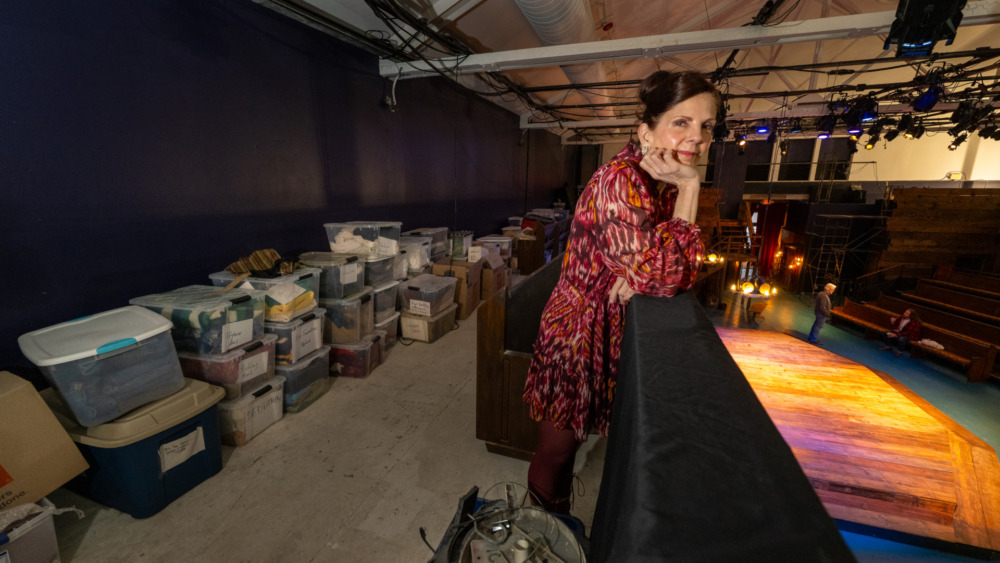
Two years ago, John Cleary met a fellow Kansas City actor for drinks. Their conversation centered on the fate of the Metropolitan Ensemble Theatre. A large portion of the ensemble’s home, the Warwick Theatre, was ash, charred timbers and soot-saturated costumes and props — remnants from a recent massive fire. The destruction was so great…
Nick’s Picks | Baseball, Drones, Romance and More …
Royals Reveal Next week, the Kansas City Royals head to Arizona for Spring Training. And that’s the mayor’s self-imposed deadline to lock in a stadium deal. So, is this finally the week owner John Sherman steps to the plate and unveils where the Royals will build their next home? At last week’s council meeting, Mayor…