
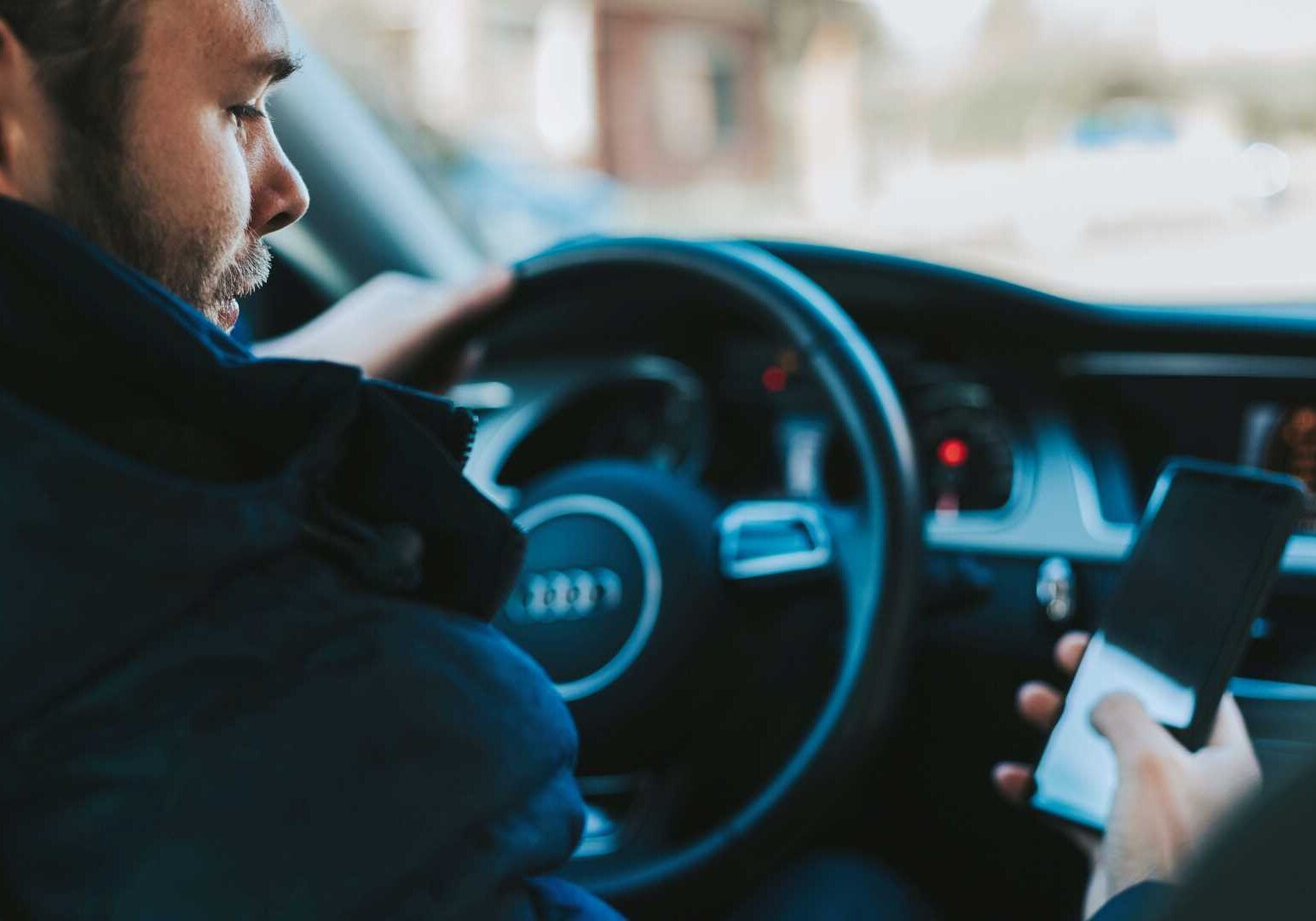
Kansas, Missouri Ranked Among 10 Worst States for Distracted Driving
February 26, 2021 | | 4 min read
Kansas and Missouri just made the top 10 on a less-than-desirable list: the worst states for distracted driving.
According to a new study from WhistleOut, Missourians spend 7.35% of their time on their phones while driving. Kansans, ranked the sixth worst state in the country, are even less focused on driving.

WhistleOut compiled its rankings based on the National Highway Traffic Safety Association’s (NHTSA) distracted driving fatalities data, as well as Zendrive’s 2018 and 2019 distracted driving studies showing the percentage of time drivers were observed using their phones while distracted.
The average commute time for a Missourian is about 24 minutes. This means that the average person on their way to work is paying attention to their phone instead of the road for about 1.8 minutes – plenty of time for an accident to occur.
“We know that it takes a matter of seconds for something to go wrong,” said Sgt. Andy Bell of the Missouri State Highway Patrol. “If you’re traveling 55 miles per hour, when five seconds goes by you’ve gone the length of a football field. A lot can happen, whether you run into the back of somebody and cause $5,000 worth of damage or you take somebody’s life.”
Imagine barreling down the length of a football field with your eyes closed, surrounded by pedestrians, cyclists, and other drivers. Even so, drivers willingly risk their lives and others to text every day.
Between 2014 and 2018, the number of phone-related accidents in Missouri increased 31%, according to the Missouri Coalition for Roadway Safety, with 2,500 such crashes in 2018.
Distracted driving is a contributing factor in a recent surge in highway fatalities, even as total traffic volume declined during the COVID-19 pandemic.
The Missouri State Highway Patrol recently reported that 989 lives were lost in Missouri traffic crashes during 2020, up 12% from the previous year and the highest total since 2007.
“Nearly every fatal crash that occurs is preventable,” said Cpt. John Hotz, public information and education director with the Missouri State Highway Patrol, in a statement addressing the fatality results. “Over 90% of these crashes were the result of someone simply making a poor decision, primarily: driving too fast, driving distracted or driving impaired.”
What’s fueling the spike in distracted driving accidents? Experts point, in part, to the the sweet surge of dopamine.
Dopamine is a chemical in the brain that causes feelings of pleasure and satisfaction. Common prompts for a dopamine release are smiling faces and positive social interactions.
Smartphones offer the prospect of almost unlimited access to positive social interactions. Every phone buzz has the potential to hold an instant dopamine release, making the urge to check our phones almost irresistible.
While no age is immune to the dopamine reward of a buzzing phone, Missouri law mandates that drivers under 21 years old aren’t allowed to text and drive, while older drivers don’t have specific regulations. This makes Missouri one of just two states that hasn’t banned texting and driving altogether. The other state is Montana, which WhistleOut found to be the third worst state for distracted driving.
If Missouri is experiencing higher than average road fatalities and that number seems to correlate with lax phone use policies, it might stand to reason that Missourians would want to tighten the reins on phone use. That, however, is not the case.
“It’s about what Missourians want and see as a priority,” said Melissa Black, who works in the Kansas City district of the Missouri Department of Transportation.
Because there aren’t laws in place to enforce universal texting bans, Black said MoDOT has to do what they can to encourage safe driving.
One of the primary ways they are doing this is through the Buckle Up Phone Down campaign, which encourages people to wear a seatbelt and put their phone down while driving “every trip, every time.”
Bell also advocates for safety behind the wheel from within the Missouri State Highway Patrol. He recommends using hands free Bluetooth if answering a call is necessary.
“The less you touch your phone, the better,” Bell said. “We just have to put (our phones) away.”
Catherine Hoffman covers community affairs and culture for Kansas City PBS in cooperation with Report for America.

Reading these stories is free, but telling them is not. Start your monthly gift now to support Flatland’s community-focused reporting.
Related Stories
Nick’s Picks | Roads, Bathrooms, Costco and More …
New Toll Road Opens Kansas City’s first toll road opens this week. Starting Saturday, you’ll pay up to $3.50 to travel the new express lanes on U.S. Highway 69 from 103rd to 151st streets in Overland Park. There are no toll booths — cameras scan your license plate, and a bill arrives by mail. KTAG…
Up From the Ashes: Warwick Theatre Revival Draws Applause
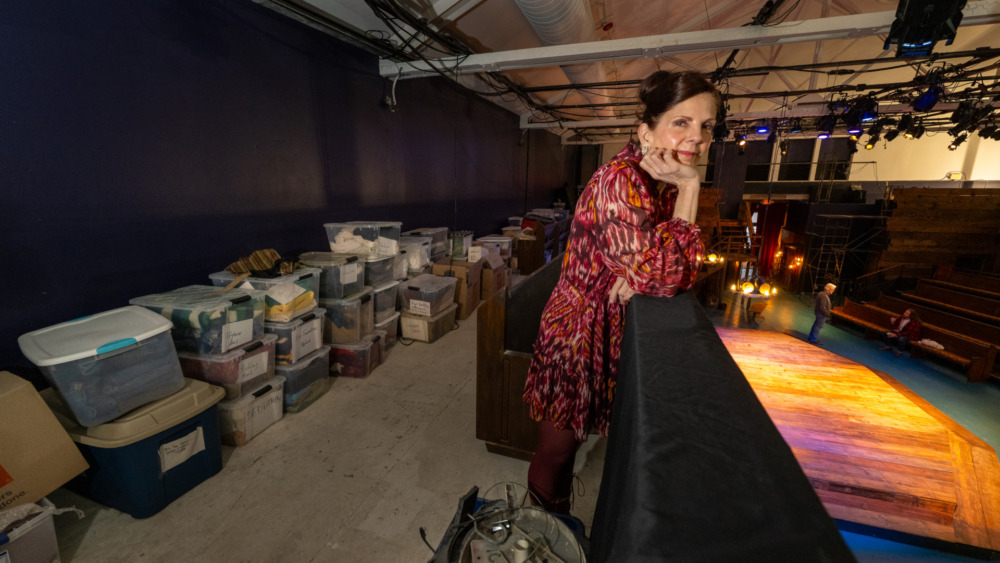
Two years ago, John Cleary met a fellow Kansas City actor for drinks. Their conversation centered on the fate of the Metropolitan Ensemble Theatre. A large portion of the ensemble’s home, the Warwick Theatre, was ash, charred timbers and soot-saturated costumes and props — remnants from a recent massive fire. The destruction was so great…
Nick’s Picks | Baseball, Drones, Romance and More …
Royals Reveal Next week, the Kansas City Royals head to Arizona for Spring Training. And that’s the mayor’s self-imposed deadline to lock in a stadium deal. So, is this finally the week owner John Sherman steps to the plate and unveils where the Royals will build their next home? At last week’s council meeting, Mayor…