
Kansas City Public Schools Secures Grant for 1619 Education Program
April 15, 2021 | | 4 min read
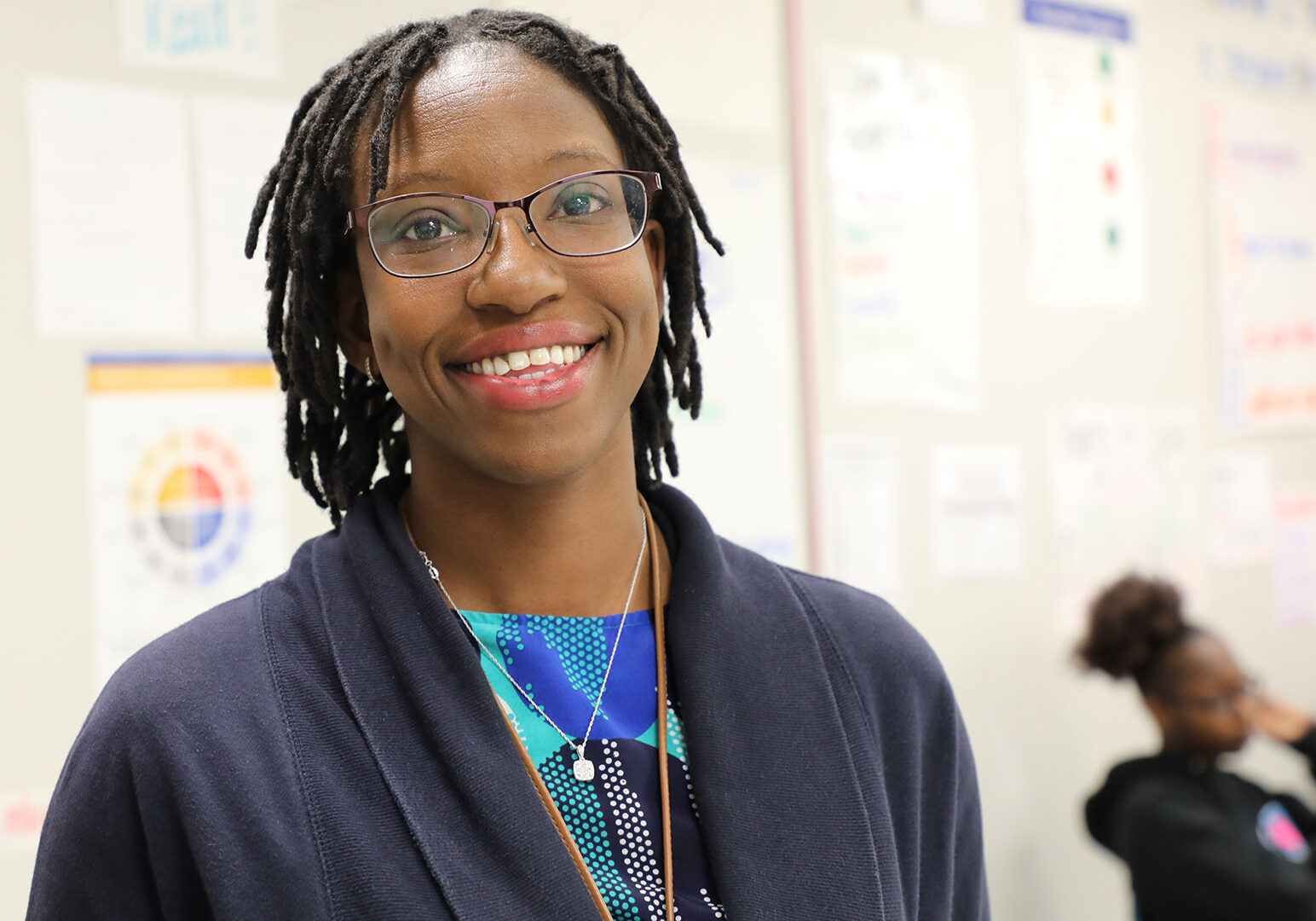
Educators are the “gatekeepers” of what Kansas City students learn, say two area teachers and graduates of Lincoln Preparatory Academy.
For this reason, Crystal Everett, who is the real-world learning coordinator at Kansas City Public Schools, applied for a grant from the Pulitzer Center. On Tuesday, she learned her application was selected.

Kansas City Public Schools is one of 40 schools out of more than 200 applicants in the U.S. accepted into the 1619 Education Project, an inaugural virtual education program based on the New York Times Magazine special issue about slavery and its implications on current events..
Everett described the implementation of this program as “this infusion across schools,” underscoring a key tenet for KCPS leadership. Just last year, Superintendent Mark Bedell announced that his district would reintroduce Black History courses. Bedell could not be reached for comment.
The best part, Everett added, is the 1619 project’s lesson plans will be part of the core curriculum.
Two Kansas City teachers, Tymia Morgan and Kayla McClellan, will help implement the $5,000 grant in their classrooms — Morgan at Central High School and McClellan at Lincoln College Preparatory Academy Middle School. Each teaches nearly or more than 100 students.

Morgan, who teaches high schoolers, said courses like African American history are typically electives but shouldn’t be. Black history is American history, she said.
But these days she senses that kids shut down when they hear the phrases “Black history” or “Black history month.”
She wants to change that. When she went to Lincoln College Preparatory Academy Middle School, her class on the African American experience proved invaluable and shaped how she processed life around her.
Morgan said the wide gaps in history education crystallized for her after students brought it up.
“I’m having conversations with students who are asking me, ‘What’s KKK?’ And they legit have no idea,” she said. “There are certain uncomfortable conversations that need to be had post-slavery, around the consequences and around the strains of that (which) are honestly ignored by big text bookmakers.”
One example is McGraw Hill. The company was publicly scrutinized in 2015 after a Texas student’s mom published a video commenting on one section of the book. In it, African slave trade was described as immigration and labeled the enslaved Africans as workers.
History and social studies in middle school and high school settings have long needed an overhaul, advocates say.

Through lesson plans and project-based classes, the program helps contextualize the importance of the year 1619, when the first enslaved Africans were brought to the United States. African slave trade shaped education, infrastructure, policy and health.
An excerpt of the project explains that this education effort helps “students evaluate historical research and process current events.”
Everett has bigger plans. After completing the program, she hopes to delve deeper into local Kansas City Black history and shine a light on local figures’ contributions and their stories.
“We want our students to understand historical context, but we don’t want them to feel like their history is only, you know, from the vantage point of slavery,” Everett said. “It helps that … context, but like, hey, where’s the power, where’s the excellence?”
Equipping students with a better understanding of this piece of history is essential, Everett added, because the district has more than 50% Black students. And they get to start in middle school.
“I want to give my students a space where they can take themselves seriously,” Morgan said. “They can be safe from repeated traumatic exposures and just have space to grapple with what it is to be young and Black here.”
With the tools this education program provides, like access to journalists and the Pulitzer Center education team, her team gets to shape the curricula for middle and high schoolers.
“I’m really excited about how we’re able to show them the full circle of, of what it means to be a Black person in America,” Everett said. “I’m really out here, like dreaming big right now, but it’s like, hey, we start small here.”
Morgan hopes all Kansas Citians will share local Black history and people’s stories.
“Share any history that people feel like our students should know. I just know that there is a wealth of experiences and history here,” Morgan said. “And I’m so curious about it. I want to know it all.”

Reading these stories is free, but telling them is not. Start your monthly gift now to support Flatland’s community-focused reporting.

Related Stories
Nick’s Picks | Roads, Bathrooms, Costco and More …
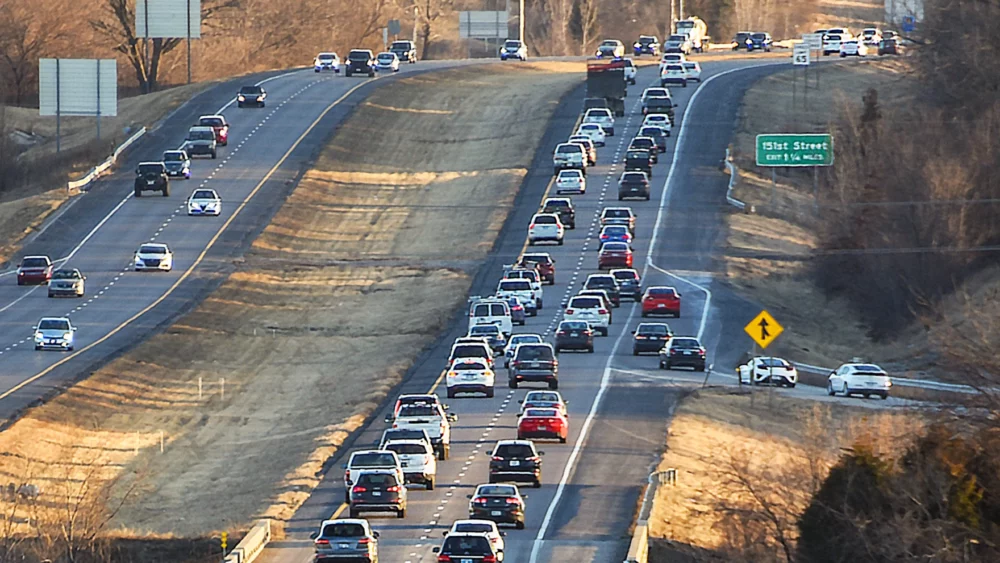
New Toll Road Opens Kansas City’s first toll road opens this week. Starting Saturday, you’ll pay up to $3.50 to travel the new express lanes on U.S. Highway 69 from 103rd to 151st streets in Overland Park. There are no toll booths — cameras scan your license plate, and a bill arrives by mail. KTAG…
Up From the Ashes: Warwick Theatre Revival Draws Applause
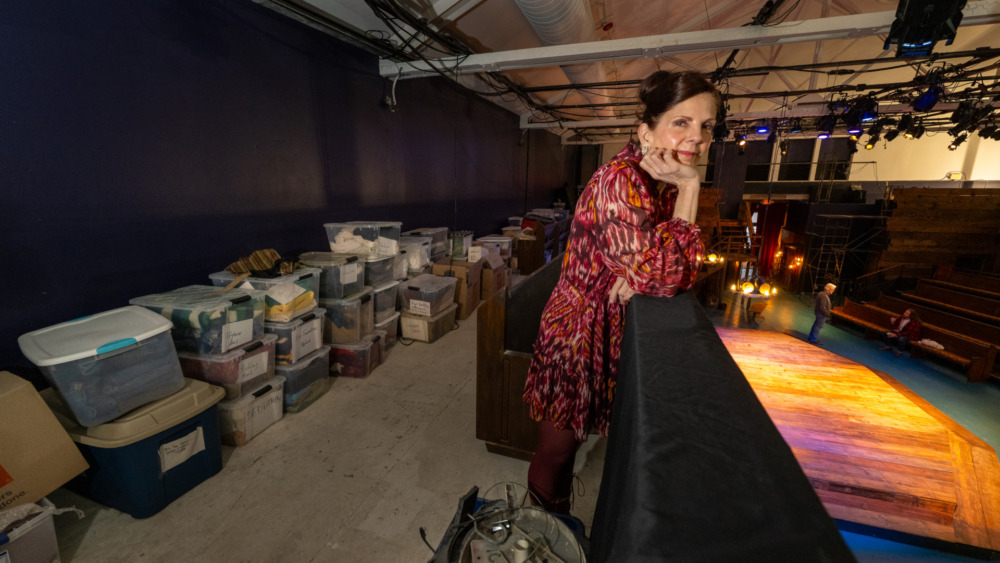
Two years ago, John Cleary met a fellow Kansas City actor for drinks. Their conversation centered on the fate of the Metropolitan Ensemble Theatre. A large portion of the ensemble’s home, the Warwick Theatre, was ash, charred timbers and soot-saturated costumes and props — remnants from a recent massive fire. The destruction was so great…
Nick’s Picks | Baseball, Drones, Romance and More …
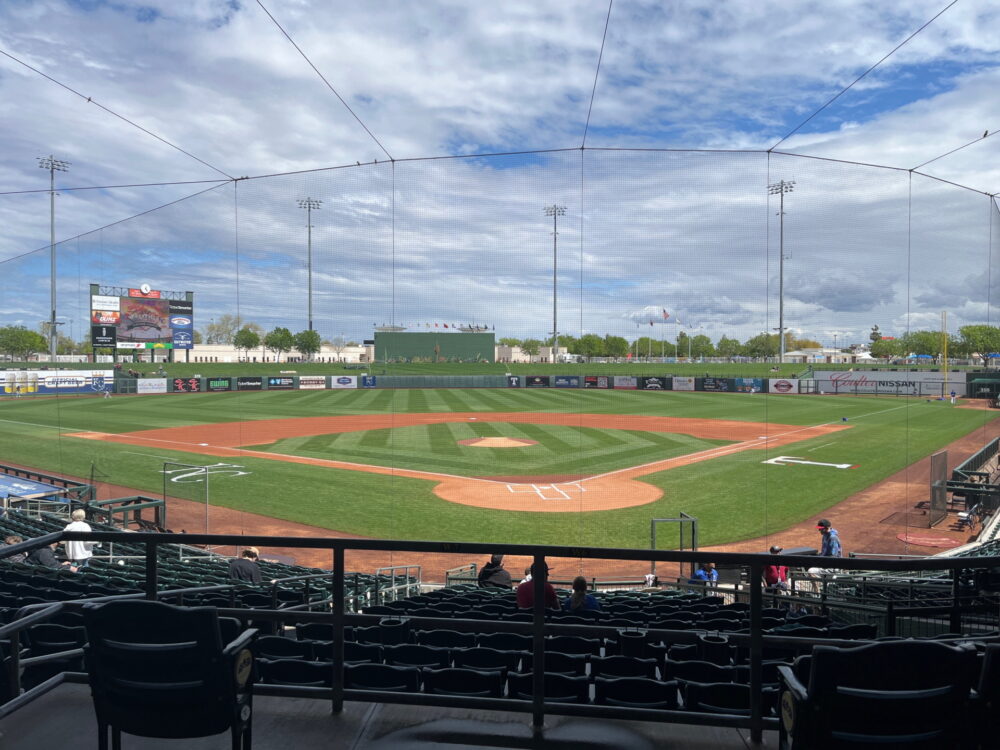
Royals Reveal Next week, the Kansas City Royals head to Arizona for Spring Training. And that’s the mayor’s self-imposed deadline to lock in a stadium deal. So, is this finally the week owner John Sherman steps to the plate and unveils where the Royals will build their next home? At last week’s council meeting, Mayor…