
School Shootings Pit Safety Vs. Pedagogy
February 14, 2019 | | 2 min read
In the aftermath of World War II, amidst Cold War tensions with the Soviets, U.S. students practiced “duck and cover” drills to prepare for nuclear attack.
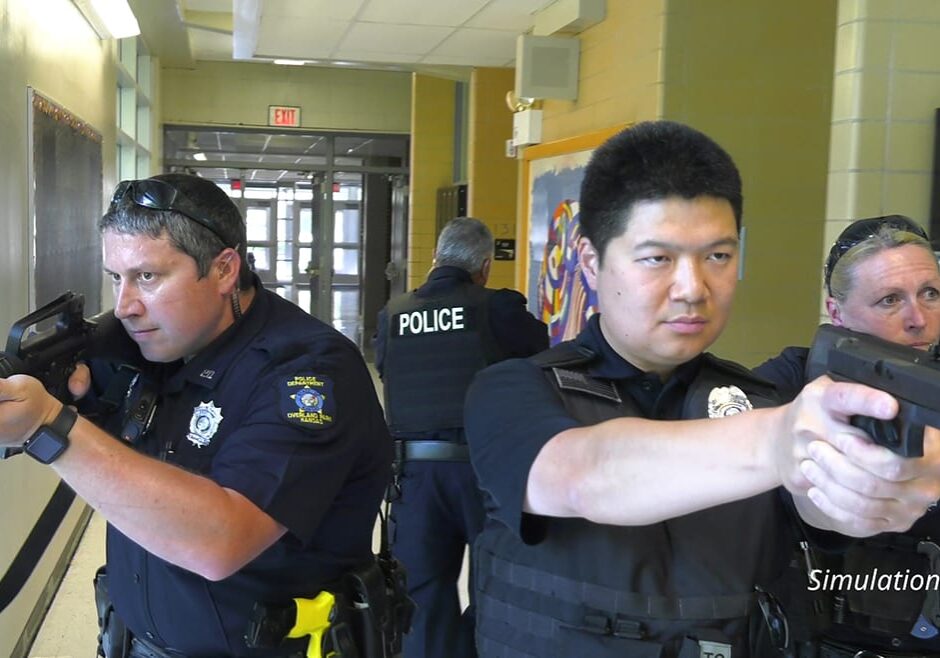
Fast forward more than half a century, and one of the most common safety precautions in schools today has nothing to do with a far-off threat; “active shooter” drills prepare for an intruder that might be right outside the classroom.
By one estimate, there have been approximately 1,300 school shooting incidents in the U.S. over roughly the past five decades, with last year logging the highest number since 1970. Those figures include every instance a gun is wielded, fired or a bullet hits school property.
By a narrower measure, the number of multiple-victim shootings, other research indicates schools are safer now than they have been in the past. Yet that is of little solace to people in places like Parkland, Florida, who are today marking the one-year anniversary of the deadly shooting at Marjory Stoneman Douglas High School.
[FLEX-CONTENT]
The dilemma moving forward is, how do you prepare for the rare, unthinkable occurrence while maintaining an enriching environment? If safety was the only objective, schools would be constructed like jails, said Chief John Douglass, executive director of emergency management in the the Shawnee Mission School District.
The balance between safety and learning is all the more difficult nowadays, with the emphasis on school layouts meant to foster “soft skills,” such as collaboration and problem solving.
In that respect, perhaps Summit Technology Academy in Lee’s Summit, Missouri, is a current example of the school of the future. It has safety mechanisms built into a school filled with natural light and open corridors.
The hope is that designs like this will also foster better relationships between classmates, and between students and staff, to help work through grievances.
The unfortunate reality, as grieving parents in Parkland know all too well, no community in America can say, “It can’t happen here.”
Take Note is Kansas City PBS’s multi-year education reporting project. In this season, we are examining all aspects of the school of the future. Keep an eye on the website and join the conversation at #TakeNoteKC.

Reading these stories is free, but telling them is not. Start your monthly gift now to support Flatland’s community-focused reporting.
Related Stories
Nick’s Picks | Roads, Bathrooms, Costco and More …
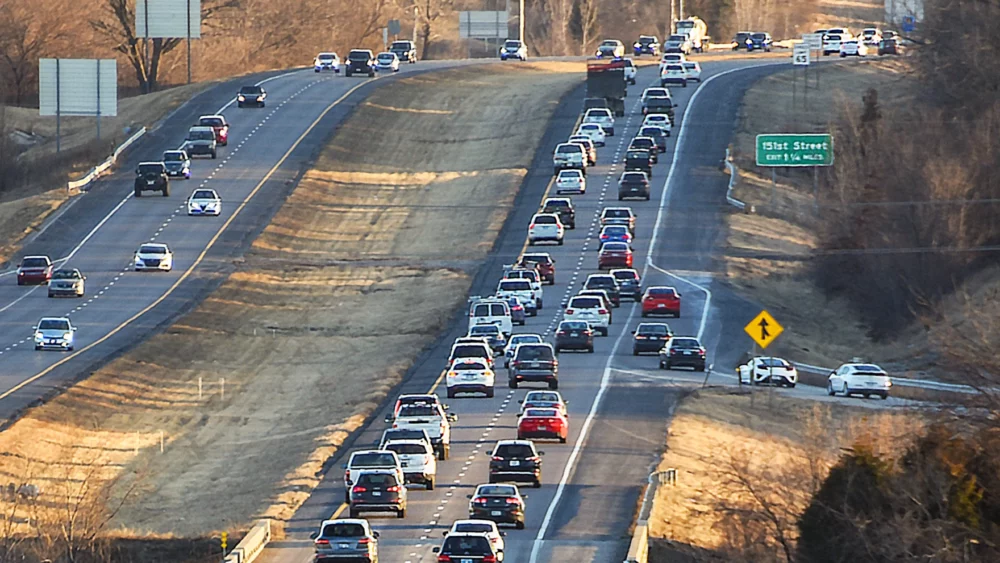
New Toll Road Opens Kansas City’s first toll road opens this week. Starting Saturday, you’ll pay up to $3.50 to travel the new express lanes on U.S. Highway 69 from 103rd to 151st streets in Overland Park. There are no toll booths — cameras scan your license plate, and a bill arrives by mail. KTAG…
Up From the Ashes: Warwick Theatre Revival Draws Applause
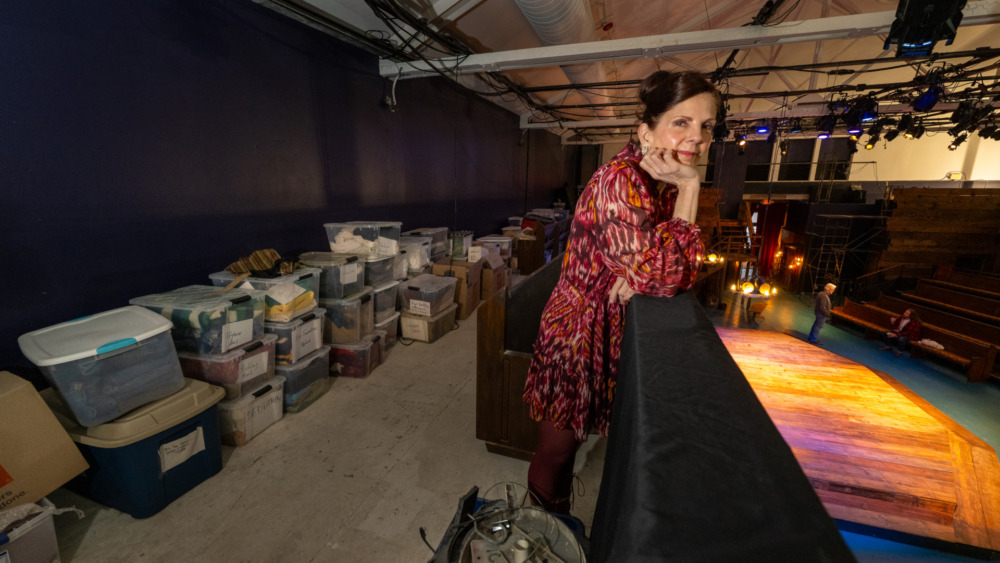
Two years ago, John Cleary met a fellow Kansas City actor for drinks. Their conversation centered on the fate of the Metropolitan Ensemble Theatre. A large portion of the ensemble’s home, the Warwick Theatre, was ash, charred timbers and soot-saturated costumes and props — remnants from a recent massive fire. The destruction was so great…
Nick’s Picks | Baseball, Drones, Romance and More …
Royals Reveal Next week, the Kansas City Royals head to Arizona for Spring Training. And that’s the mayor’s self-imposed deadline to lock in a stadium deal. So, is this finally the week owner John Sherman steps to the plate and unveils where the Royals will build their next home? At last week’s council meeting, Mayor…