
Kansas and Missouri Brace for Another Year of Drought
May 3, 2024 | | 7 min read
Last summer, dry weather and hot temperatures fried grass, cracked soil and depressed yields for farmers.
In 2023, an estimated 29% of the total wheat crop planted in Kansas was abandoned, the highest percentage since 1951, according to U.S. Department of Agriculture (USDA).
In Missouri, cattle producers had to cull their herds in the summer, knowing they wouldn’t have the grain to keep the livestock fed through the winter.
Despite this week’s rainfall, both states remain in drought conditions, according to the U.S. Drought Monitor. Local meteorologists and water engineers are working to figure out what producers should expect through this growing season.
In Kansas, experts expect severe drought conditions to creep into the state from the southwest in the summer months. The Missouri outlook is less severe, but the state will remain under a drought alert until September.
‘It’s a Lot Better’
Last year Bruce Mershon had to sell off almost twice as much of his cattle herd as usual because of the drought that put 99% of Missouri in “abnormally dry” or worse conditions.
He is optimistic about the upcoming season on his cattle farm outside of Buckner, Missouri.
Rain from the last couple of weeks and forecasts for the upcoming weeks make him hopeful for a productive hay crop.
Ideally, he’ll grow enough to build up his stockpile again. He ended the season last year with a completely depleted inventory.

“We’ve been through a couple of tough years … so we’re optimistic we’ll get a lot better hay crop and grass than last year,” Mershon said.
Additionally, Mershon is supplementing some of his feed with cover crops harvested on his brother’s and a neighbor’s land.
“Life is a lot better,” Mershon said. “We’re cautiously optimistic. The market is a lot better price wise, so we’re feeling much better about the next couple of years.”
Elizabeth Kerby with the water resources center and Missouri Department of Natural Resources, said based on year-to-year drought comparisons, Missouri drought conditions are more severe this spring. But that doesn’t necessarily mean conditions will be worse this summer.
Compare April 2023 (left) to April 2024 (right) in Missouri:


Missouri has been in abnormally dry conditions since June 2022.
“At least we have the benefit this year of having been through last year,” Kerby said.
This makes it difficult for the department to report and make decisions because it must weigh when historical figures are helpful and when they’re over complicating results. Plus, the ongoing conditions make it harder for the soil to return to normal.
It’s also why the Gov. Mike Parson continues to extend the drought alert in Missouri.
This gives the drought assessment committee and the climate and weather subcommittee the authority to meet and allocate resources throughout the state under the 2023 Drought Mitigation and Response Plan.
Like last summer, Kerby said public parks will continue to allow farmers to hay designated fields and pump water from the lakes. The Missouri Department of Agriculture will continue to operate the state hay directory in anticipation of another year of low yields.
While both Kansas and Missouri prepare for dry conditions, the seasonal drought outlook from the National Weather Service shows drought conditions improving in the region.

Making Use of the Rain that Comes
Recent rainfall and the outlook for the coming months are of paramount importance.
“The beginning of springtime is when we need to have that water in our ecosystem,” Kerby said. “If we have that, the soil works as a reserve during the summer months.”
Timing is everything.
Chip Redmond with the Kansas Mesonet, a network of weather stations that collect real time and historical data for agricultural and developmental application across Kansas, said a couple of well-spaced storms throughout the summer can still yield a good crop.
“Just because it’s going to be dry this summer doesn’t mean there’s going to be no rain,” Redmond said.
This spring, Kansas is in much better shape than it was last year.
Compare April 2023 conditions (left) in Kansas to this Spring (right):


But Redmond is concerned about a switch from El Niño to La Niña. This pattern can cause drought to expand and is likely to occur this summer.
“While things look good now, they can rapidly degrade,” he said. “Especially as we go into the growing season.”
Already, southern portions of the country are in severe and extreme drought conditions. Redmond predicts those red regions on the drought monitor map will expand further north into Kansas.
Redmond sees weather similarities this year that mimic those that caused the severe drought in 2012, which a climatology report named the worst short-term drought in the state since 1896.
Drought expanded quickly in the summer of 2011 (as it did in Kansas last year) then the state saw significant precipitation during the winter months (as it did this year). Conditions appeared to improve, until hot and dry weather in summer caused rapid drought across the state.
Chip Redmond at the Kansas Mesonet sees similarities between the upcoming summer and the summer of 2012. Compare April 2012 (left) to August 2012 (right):


Already, Redmond sees drought conditions affecting agricultural production.
The winter precipitation that is still in the ground is deep enough below the surface that new plant roots can’t reach it.
Recent storms have brought precipitation to some parts of the state, but the rainfall is so fast and heavy that it runs off before the ground can absorb it.
Redmond said now is a good time to dig out ponds to try and make use of these big storm events.
“We’re still going to get rain in western Kansas, we just need to be able to use it,” he said.
Kansans are preparing for another dry summer.
Just this week, U.S. Rep. Sharice Davids asked the U.S. Bureau of Reclamation and U.S. Department of the Interior to consider requests from the state for drought assistance.
Kansas State University Research and Extension offices in each county are the best way for drought-stricken producers to find resources.
Late last year the state announced increased funding to support the Kansas Water Plan. The $85 million will help improve the quality and quantity of water through various research programs, municipal infrastructure improvement and other projects that help to conserve the Ogallala aquifer, protect reservoirs and reduce the impacts of extreme weather events.
County specific data is vital in both states. Redmond and Kerby encourage folks to submit Condition Monitoring Observer Reports (CMOR) regularly to help their departments have the most accurate information to work from.
“We’re just building a reservoir of data and evidence to move forward,” Kerby said.

Reading these stories is free, but telling them is not. Start your monthly gift now to support Flatland’s community-focused reporting.
Related Stories
Nick’s Picks | Roads, Bathrooms, Costco and More …
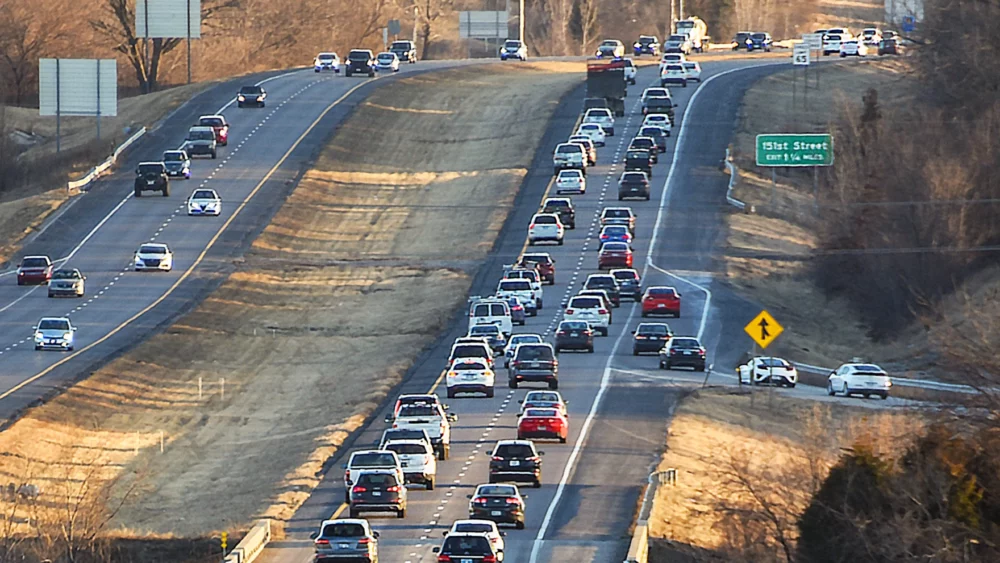
New Toll Road Opens Kansas City’s first toll road opens this week. Starting Saturday, you’ll pay up to $3.50 to travel the new express lanes on U.S. Highway 69 from 103rd to 151st streets in Overland Park. There are no toll booths — cameras scan your license plate, and a bill arrives by mail. KTAG…
Up From the Ashes: Warwick Theatre Revival Draws Applause
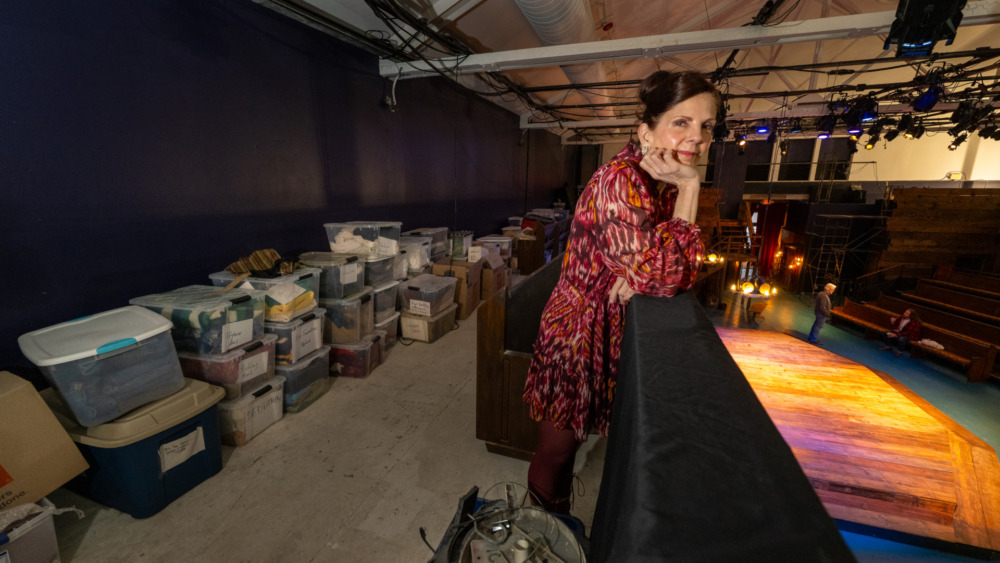
Two years ago, John Cleary met a fellow Kansas City actor for drinks. Their conversation centered on the fate of the Metropolitan Ensemble Theatre. A large portion of the ensemble’s home, the Warwick Theatre, was ash, charred timbers and soot-saturated costumes and props — remnants from a recent massive fire. The destruction was so great…
Nick’s Picks | Baseball, Drones, Romance and More …
Royals Reveal Next week, the Kansas City Royals head to Arizona for Spring Training. And that’s the mayor’s self-imposed deadline to lock in a stadium deal. So, is this finally the week owner John Sherman steps to the plate and unveils where the Royals will build their next home? At last week’s council meeting, Mayor…