
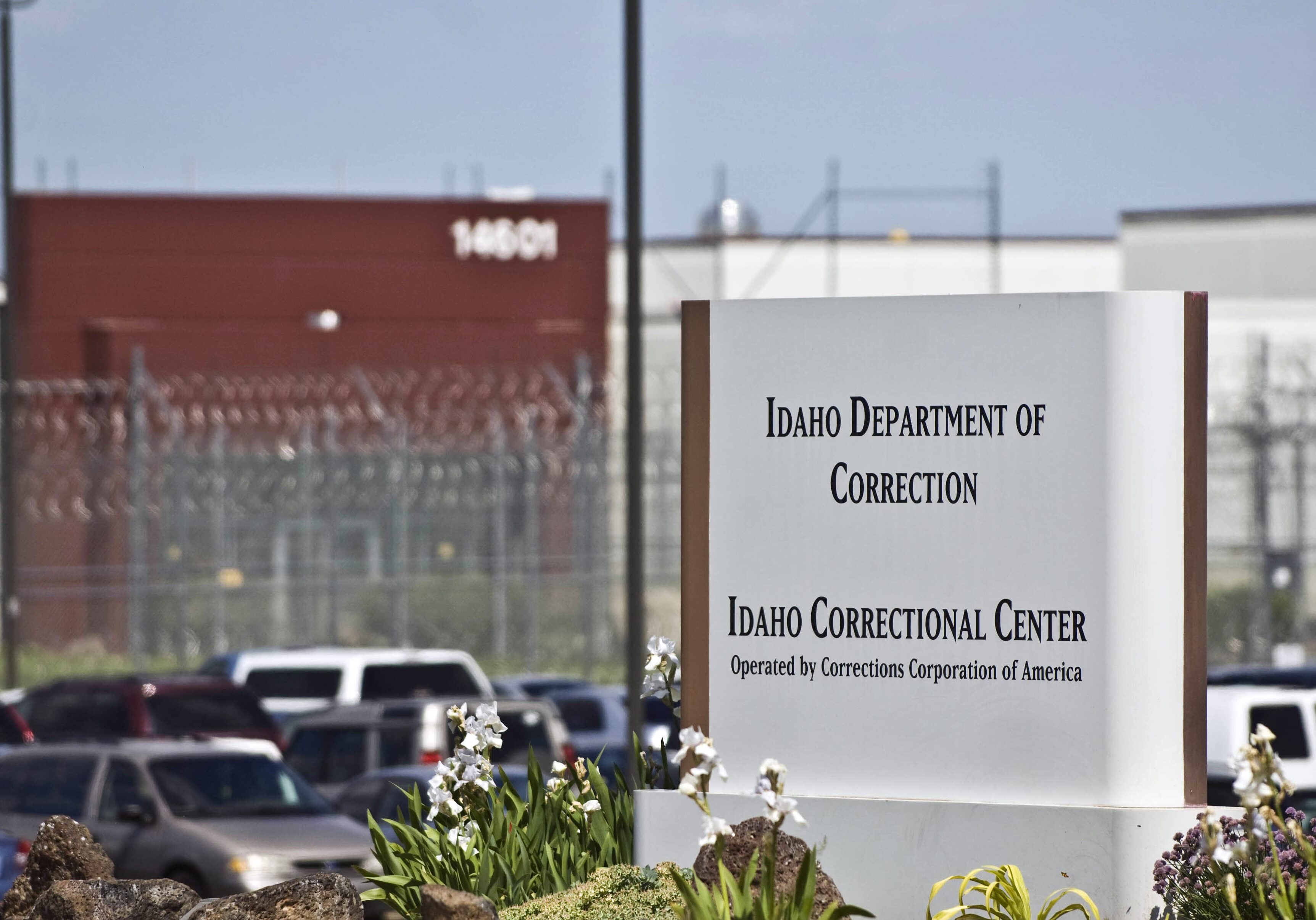
Justice Department Will Phase Out Its Use Of Private Prisons
August 18, 2016 | | 3 min read
U.S. Justice Department officials plan to phase out their use of private prisons to house federal inmates, reasoning that the contract facilities offer few benefits for public safety or taxpayers.
In making the decision, Deputy Attorney General Sally Yates cited new findings by the Justice Department’s inspector general, who concluded earlier this month that a pool of 14 privately contracted prisons reported more incidents of inmate contraband, higher rates of assaults and more uses of force than facilities run by the Federal Bureau of Prisons.
“They simply do not provide the same level of correctional services, programs and resources; they do not save substantially on costs; and … they do not maintain the same level of safety and security,” Yates wrote in a memo Thursday.
At their peak, contract prisons housed approximately 30,000 federal inmates. By May 2017, that number will have dropped by more than half, to 14,000, Yates wrote. The Bureau of Prisons tends to use contract facilities to confine inmates who require only low security and who tend to be in the country illegally. The U.S. government spent $639 million on those facilities in fiscal year 2014, according to the Inspector General report, in payments to three companies: Corrections Corporation of America, GEO Group, and Management and Training Corp.
The Justice Department announcement will not touch the vast majority of prisoners in the country who are incarcerated by state and local authorities. But federal officials hope their decision will be a model across the correctional field.
Last month, the DOJ declined to renew a contract for 1,200 prison beds in a private facility. And it is making changes to a new contract bid to reduce the size of demand there, too.
In a blog post to department employees, the deputy attorney general pointed out that the federal prison population has been dropping overall, to fewer than 195,000 inmates, because of a shift in how low-level, nonviolent drug criminals are treated. Yates did not shut the door on demand for private contract facilities in the future, however, and a new presidential administration could handle the issue differently.
Marc Mauer, executive director of The Sentencing Project, nonetheless said the Justice Department announcement represented a “major milestone in the movement away from mass incarceration.”
“It has been a stain on our democracy to permit profit-making entities to be handed the responsibility of making determinations of individual liberty,” Mauer said in a prepared statement. “Today’s action moves us closer to a moment when government can once again assume this important responsibility.”
9(MDA1MjcyMDE0MDEyNzUzOTU1NTMzNmE5NQ010))

Reading these stories is free, but telling them is not. Start your monthly gift now to support Flatland’s community-focused reporting.

Related Stories

Nick’s Picks | Roads, Bathrooms, Costco and More …
New Toll Road Opens Kansas City’s first toll road opens this week. Starting Saturday, you’ll pay up to $3.50 to travel the new express lanes on U.S. Highway 69 from 103rd to 151st streets in Overland Park. There are no toll booths — cameras scan your license plate, and a bill arrives by mail. KTAG…

Up From the Ashes: Warwick Theatre Revival Draws Applause
Two years ago, John Cleary met a fellow Kansas City actor for drinks. Their conversation centered on the fate of the Metropolitan Ensemble Theatre. A large portion of the ensemble’s home, the Warwick Theatre, was ash, charred timbers and soot-saturated costumes and props — remnants from a recent massive fire. The destruction was so great…

Nick’s Picks | Baseball, Drones, Romance and More …
Royals Reveal Next week, the Kansas City Royals head to Arizona for Spring Training. And that’s the mayor’s self-imposed deadline to lock in a stadium deal. So, is this finally the week owner John Sherman steps to the plate and unveils where the Royals will build their next home? At last week’s council meeting, Mayor…