
Hub key to sustaining local food movement In Northeast Kansas
July 23, 2014 | | 4 min read
The now well-established local food movement in and around the university community of Lawrence is in danger of stalling unless a concerted effort is made to expand its reach beyond an already committed group of consumers and build more demand for locally grown or produced fruits, vegetables and meats.
That’s the conclusion of a recent report commissioned by the Douglas County Food Policy Council with funding from the U.S. Department of Agriculture and the Kansas Health Foundation.
The report, from Virginia-based consultant Anthony Flaccavento, suggests establishing a 19-county food hub in northeast Kansas to “grow the local food economy to the benefit of farmers and consumers in the region.” Such a hub would connect local farmers and ranchers to new markets and coordinate the distribution of their products to ensure a reliable supply to consumers – from individuals to restaurants to institutional buyers at schools, jails and hospitals.
Expanding demand for and production of local produce and meat won’t be easy, Flaccavento says. But there is sufficient market potential to make it work if producers take an organized approach and are willing to be patient.
“We do think it’s feasible,” Flaccavento says. “But we think it will take several years, probably in the range of five years to hit break even.”
By the end of the fifth year, hub farmers could be generating up to $2.3 million in additional sales, the report says.
Getting to that point will require careful planning and implementation to fill “critical gaps” in the existing local food system. The gaps include the lack of a central collection and distribution warehouse as well as cooling and produce-packing systems.
To meet the anticipated demand, the report says, the hub will need 15 to 25 “anchor farmers” to grow 12 to 15 core produce items, including tomatoes, peppers, melons and berries.
Related story: Local food movement thriving on the High Plains of Kansas
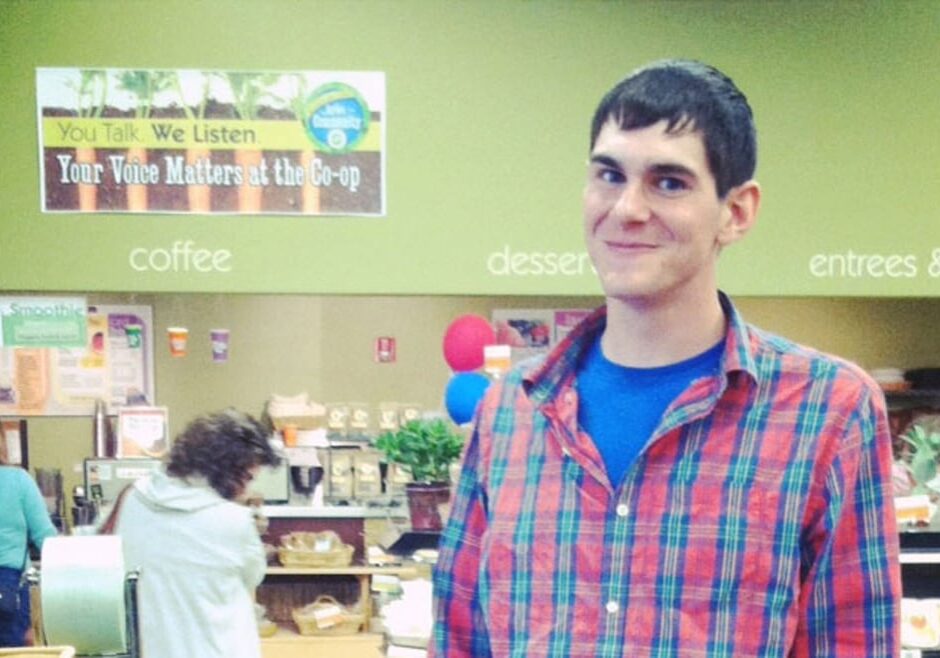
Scott Thellman, a recent college graduate who farms a little more than 900 acres in the Kansas River valley north of Lawrence at Juniper Hill Farms, already has committed to being one of those “anchor” producers.
“Within 75 miles of my farm there are 1.5 million people, roughly. I look at that and say, ‘That’s 1.5 million potential customers,’” Thellman says. “Not that they will all be customers, but there is a huge opportunity there and a huge untapped market.”
Hay is Thellman’s main crop, but he’s also been growing certified organic vegetables since 2010.
“We ship to about six grocery stores, a wholesaler and about four restaurants,” he says. “We’ve been doubling our sales and doubling our size year over year on the vegetable side of the operation since we began.”
While the local food market in Douglas County is developed, the report says markets are emerging in several counties in the region, including Riley and Brown, and are relatively undeveloped in nearby Shawnee County, plus small towns and rural areas.
‘First step’
Eileen Horn, the sustainability coordinator for Douglas County, has been instrumental in moving the food hub conversation forward. She says the consultant’s report is just the first step.
“It points us in the right direction, but the issues ahead are complex,” she says. “They involve convincing farmers to scale up and convincing buyers to buy more local food. It’s multifaceted and complicated, but what I think is really encouraging is that we now have a roadmap.”
The report recommends that a lead organization be designated and a project planning team named and charged with developing an action plan by the end of the year. In addition to the infrastructure needs, organizers must decide what kind of business entity to create to operate the hub.
Having farmers who are ready to step up and guarantee a certain level of production is critical, Flaccavento says. But ultimately, he says, success will depend on whether the hub is organized in a way that allows it to function like a business that puts the needs of its customer first.
“It has to be lean, flexible and quick to respond to situations,” he says. “If you’ve got a truck broken down on the side of the road, you’ve got to deal with it right then. You can’t call a board conference call.”
Jim McLean is executive editor of KHI News Service, an editorially independent reporting program of the Kansas Health Institute.

Reading these stories is free, but telling them is not. Start your monthly gift now to support Flatland’s community-focused reporting.
Related Stories
Nick’s Picks | Roads, Bathrooms, Costco and More …
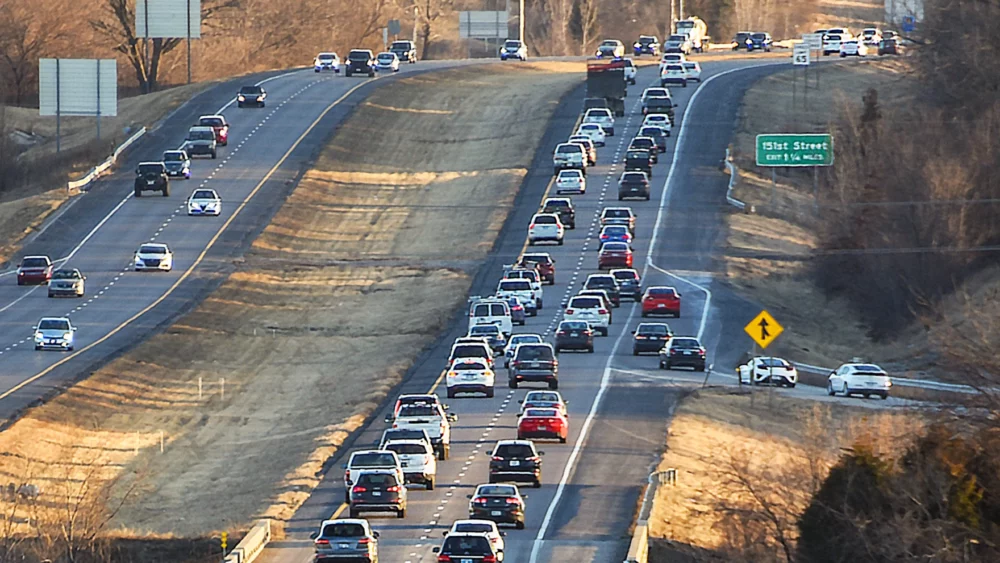
New Toll Road Opens Kansas City’s first toll road opens this week. Starting Saturday, you’ll pay up to $3.50 to travel the new express lanes on U.S. Highway 69 from 103rd to 151st streets in Overland Park. There are no toll booths — cameras scan your license plate, and a bill arrives by mail. KTAG…
Up From the Ashes: Warwick Theatre Revival Draws Applause
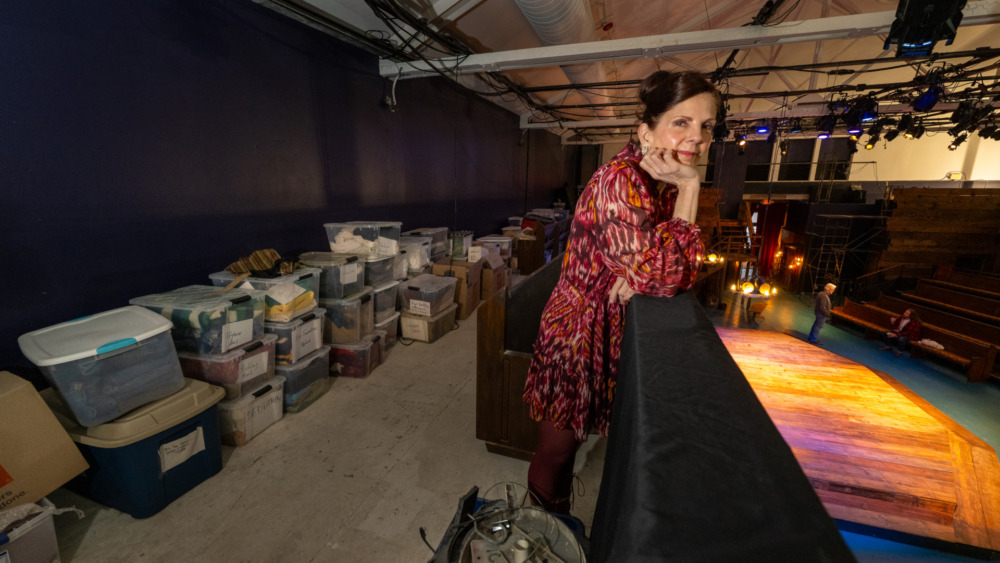
Two years ago, John Cleary met a fellow Kansas City actor for drinks. Their conversation centered on the fate of the Metropolitan Ensemble Theatre. A large portion of the ensemble’s home, the Warwick Theatre, was ash, charred timbers and soot-saturated costumes and props — remnants from a recent massive fire. The destruction was so great…
Nick’s Picks | Baseball, Drones, Romance and More …
Royals Reveal Next week, the Kansas City Royals head to Arizona for Spring Training. And that’s the mayor’s self-imposed deadline to lock in a stadium deal. So, is this finally the week owner John Sherman steps to the plate and unveils where the Royals will build their next home? At last week’s council meeting, Mayor…