
Harvesting Change | Advocating for Family Farms
February 29, 2024 | | 3 min read
COLUMBIA, Missouri — At the first ever Farm Aid concert in 1985, a group of Missouri advocates for family farms was awarded $10,000.
The contribution marked the birth of the Missouri Rural Crisis Center (MRCC). These Missouri farmers gathered during the farm crisis in the 1980s and found a shared purpose as the industrialization of the pork industry pushed small hog producers out of the game in the 1990s.
Forty years later, MRCC supporters still attend Farm Aid. They sport red t-shirts emblazoned with “Stop Factory Farms” and serve pork raised on family farms in Missouri via Patchwork Family Farms, an affiliate of MRCC.
Patchwork offers local producers a place to sell their hogs without having to compete with the big meat packers. It provides vital links in the local food chain, relieving folks who just want to farm from the stress of processing, packaging and marketing. It also sources local restaurants with a reliable distributor.
“We just knew we needed to take action,” said Rhonda Perry, MRCC’s executive director, about forming Patchwork in the 1990s. “Hog farmers, along with consumers, in our organization really cared about making sure we were saving the hog industry and animal husbandry practices and the creation of good food.”
Watch Harvesting Change on YouTube
MRCC pushes for policies to make the commodity markets more competitive for the little guys, and to prevent the cattle industry from following in the footsteps of the hog industry.
“We don’t want to be right about this,” said Tim Gibbons with MRCC. “But we were right in the ‘90s.”
MRCC supports legislative policies to enforce country-of-origin labeling, to stop the foreign ownership of farmland and to advocate for local control, all with the goal of keeping resources and wealth in local communities.
“The corporate capture of (agriculture and livestock) really impacts rural families and family farmers, putting family farmers out of business,” Gibbons said. “The ripple effect of that over time into our communities has been devastating.”

MRCC tries to support rural communities, rather than extract local resources and wealth. When Gibbons is on the road and talking to people of different demographics across the state, he finds that most Missourians agree with these values.
The Show-Me State, Gibbons has found, agrees with “the value of local economic development, the value of local control, the value of being good neighbors, of looking out for each other and understanding that we’re all in this together.”
In addition to organizing and supporting its members, MRCC runs a low-cost food cooperative and youth programming around local food.
“What we are working on at MRCC is really bringing people together (and) creating non-partisan power that’s based on our shared values,” Gibbons said.
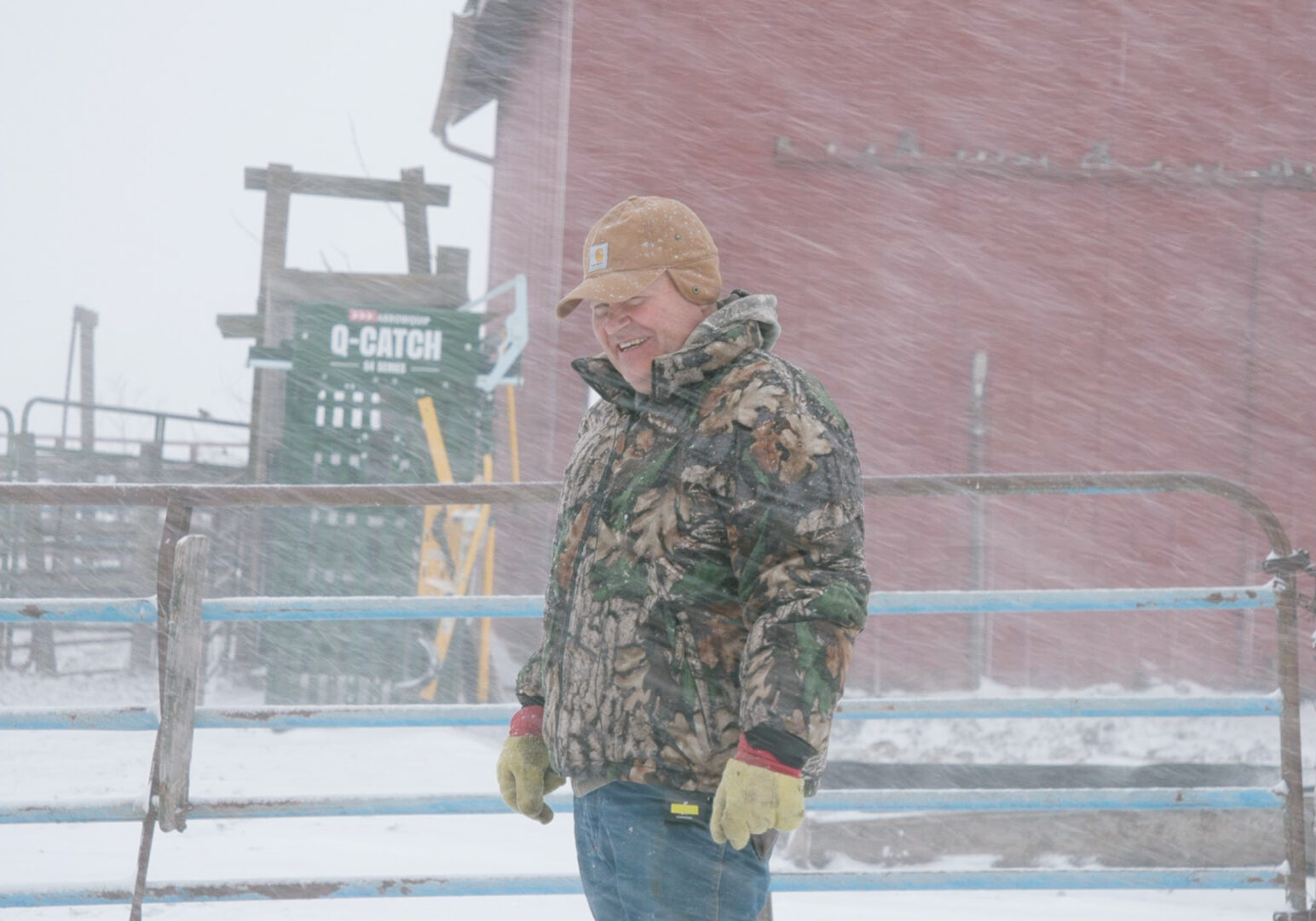
This is the second installment in a monthly video series, “Harvesting Change,” which highlights producers in this region who are working to support local food chains, and the impact this work has on sustainability.
The first episode of Harvesting Change featured a rancher who built his own direct-to-consumer market.


Reading these stories is free, but telling them is not. Start your monthly gift now to support Flatland’s community-focused reporting.
Related Stories
Nick’s Picks | Roads, Bathrooms, Costco and More …
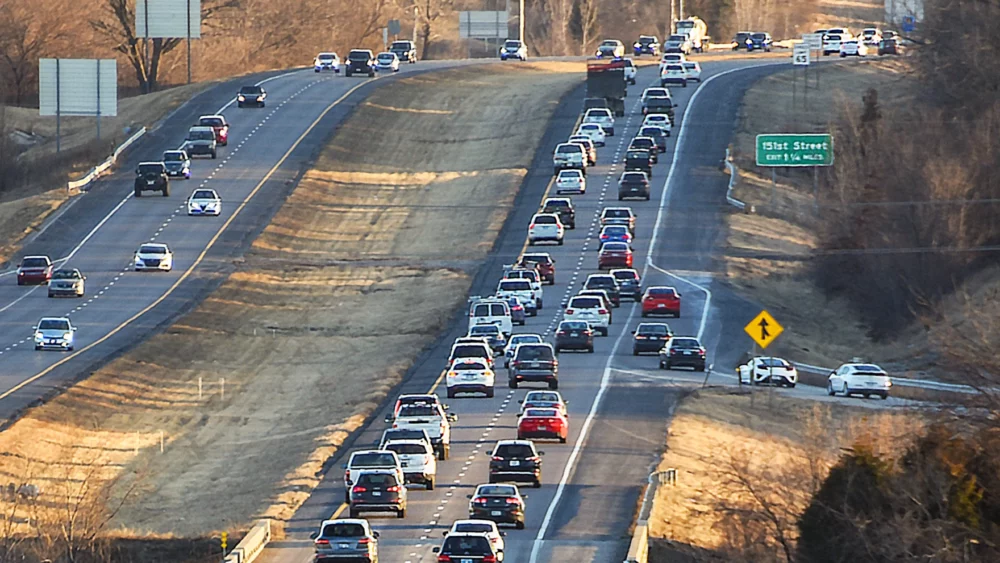
New Toll Road Opens Kansas City’s first toll road opens this week. Starting Saturday, you’ll pay up to $3.50 to travel the new express lanes on U.S. Highway 69 from 103rd to 151st streets in Overland Park. There are no toll booths — cameras scan your license plate, and a bill arrives by mail. KTAG…
Up From the Ashes: Warwick Theatre Revival Draws Applause
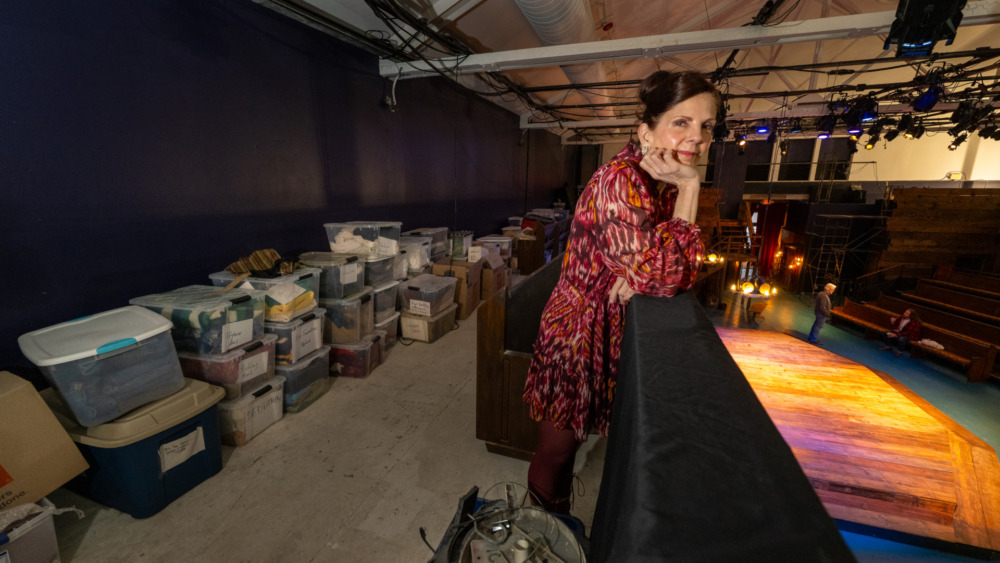
Two years ago, John Cleary met a fellow Kansas City actor for drinks. Their conversation centered on the fate of the Metropolitan Ensemble Theatre. A large portion of the ensemble’s home, the Warwick Theatre, was ash, charred timbers and soot-saturated costumes and props — remnants from a recent massive fire. The destruction was so great…
Nick’s Picks | Baseball, Drones, Romance and More …
Royals Reveal Next week, the Kansas City Royals head to Arizona for Spring Training. And that’s the mayor’s self-imposed deadline to lock in a stadium deal. So, is this finally the week owner John Sherman steps to the plate and unveils where the Royals will build their next home? At last week’s council meeting, Mayor…