

Francois and Berenice Chouteau
June 6, 2016 | | 3 min read
Today their names grace our highways, city districts and restaurants. But before Chouteau was a trafficway, it was the name of an immigrant couple who used their honeymoon to discover new land. Before McCoy’s was a good place to get a beer, it was a family of missionaries whose son would use his business savvy to build a popular outpost. These names — and many others — belonged to the men and women who set down markers on the land that would become the City of Kansas.
Flatland presents another look in our city’s past. “The Founders” is a four-part series exploring the bold and brave families who settled here, survived the elements and formed the partnerships that formed our boundaries. This digital-first video series continues every Monday in June.
Part I | Francois and Berenice Chouteau
In 1819, Francois Chouteau, grandson of St. Louis founder Auguste Chouteau, and his new wife, Berenice, spent their honeymoon traveling up the Missouri River from St. Louis looking for a site to expand the Chouteau family’s western fur trade business.
Francois and Berenice returned with their infant son in 1821 to live in a log cabin on the north side of the Missouri River, just east of the confluence of the Missouri and Kansas rivers. Thirty-five workers accompanied them west and set up camp with the Chouteaus. The Osage Indians called the new trading community Cheateau’s Town. The Europeans living there simply called it “the camp.”
American Indians and fur trappers would come from as far west as the Rocky Mountains to do business with the Chouteaus. Keel boats piled high with furs would be sent to St. Louis and would return filled with European goods for trade. By 1825, Francois was so busy that his brothers came to the area to assist.
Francois brought commerce to the area; his wife, Berenice, gave the area a heart.
When cholera, smallpox and other diseases ravaged the area, Berenice cared for the sick. She made the area a gathering place. She would play music and entertain others during the winter months when travel became too dangerous.
In 1838, while conducting a trade for wild horses, Francois and two of his sons were attacked. Francois was knocked off his horse and trampled to death by the ensuing stampede.
Berenice returned her husband’s body to St. Louis for burial. Being of great wealth, Berenice could have stayed in St. Louis and lived out her life in comfort and peace. Instead, she returned to “the camp” and lived 50 more years. She outlived all her 10 children and watched the wilderness clearing she turned into a home grow to a city of more than 200,000 people.
— Producer Brad Austin is a local history buff. Leave a comment below, find us on Facebook, and follow us on Twitter @FlatlandKC.

Reading these stories is free, but telling them is not. Start your monthly gift now to support Flatland’s community-focused reporting.

Related Stories

Nick’s Picks | Roads, Bathrooms, Costco and More …
New Toll Road Opens Kansas City’s first toll road opens this week. Starting Saturday, you’ll pay up to $3.50 to travel the new express lanes on U.S. Highway 69 from 103rd to 151st streets in Overland Park. There are no toll booths — cameras scan your license plate, and a bill arrives by mail. KTAG…
Up From the Ashes: Warwick Theatre Revival Draws Applause
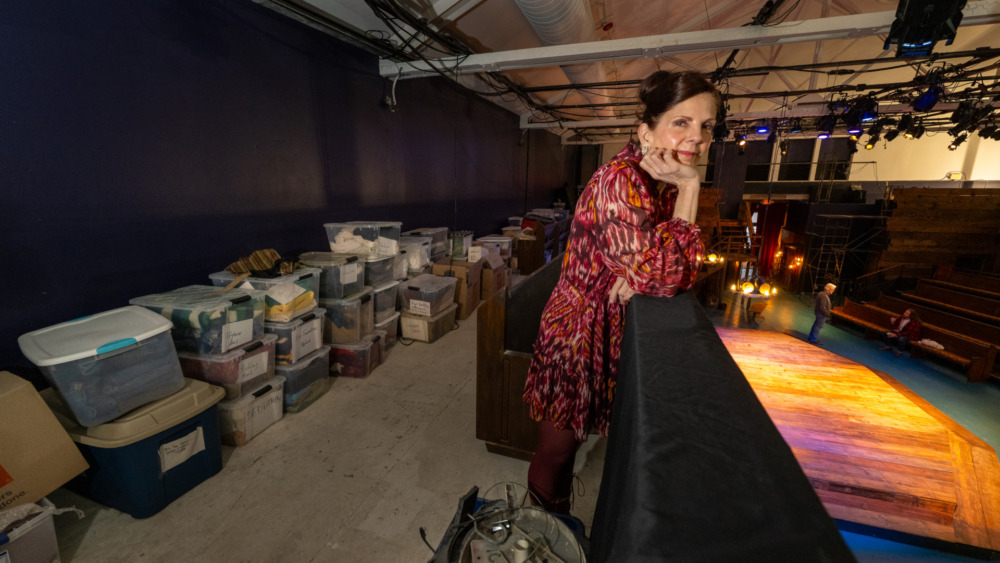
Two years ago, John Cleary met a fellow Kansas City actor for drinks. Their conversation centered on the fate of the Metropolitan Ensemble Theatre. A large portion of the ensemble’s home, the Warwick Theatre, was ash, charred timbers and soot-saturated costumes and props — remnants from a recent massive fire. The destruction was so great…

Nick’s Picks | Baseball, Drones, Romance and More …
Royals Reveal Next week, the Kansas City Royals head to Arizona for Spring Training. And that’s the mayor’s self-imposed deadline to lock in a stadium deal. So, is this finally the week owner John Sherman steps to the plate and unveils where the Royals will build their next home? At last week’s council meeting, Mayor…