
Watching Our Water is a five-part series in partnership with Harvest Public Media. Follow the entire series on Flatland through Friday, Sept. 23, and look for the half hour documentary that evening at 8 p.m. on KCPT.
How does pristine water running off of snowpack high in the Rocky Mountains end up as a floating chemical ‘dead-zone’ in the waters of the Gulf of Mexico?
“Watching Our Water,” a TV program and a series of radio and online reports from Harvest Public Media, explores that question and the role of agriculture in our supply of clean water. Because on top of worrying about the question of quantity, residents in farm country also worry about the quality of their fresh water supply.
Fanning out across the West and Midwest, Harvest reporters illuminate the challenges facing farmers, scientists and engineers. We’ll examine how chemicals and nutrients seep into fresh water, the dangers that poses, and what can be done about it.
The “Watching our Water” public television program is a production of the Harvest Public Media Video Unit at NET in Nebraska, with production partners KCPT in Kansas City and Rocky Mountain PBS in Denver, Colorado. It is produced with support from CPB, the Corporation for Public Broadcasting.
The series debuts on Monday, Sept. 19.
Reading these stories is free, but telling them is not. Start your monthly gift now to support Flatland’s community-focused reporting.
Related Stories
As High-Tech Farms Take Hold, Can Farm Towns Hold On?
Brandon Biesemeier climbs up a small ladder into a John Deere sprayer, takes a seat in the enclosed cab, closes the door, and blocks out most of the machine’s loud engine hum. It is a familiar perch to the fourth-generation farmer on Colorado’s eastern plains. He turns onto a country road, heading south to spray…
Without Big Trade Deals, Missouri Farmers Worry They’ll Lose Out
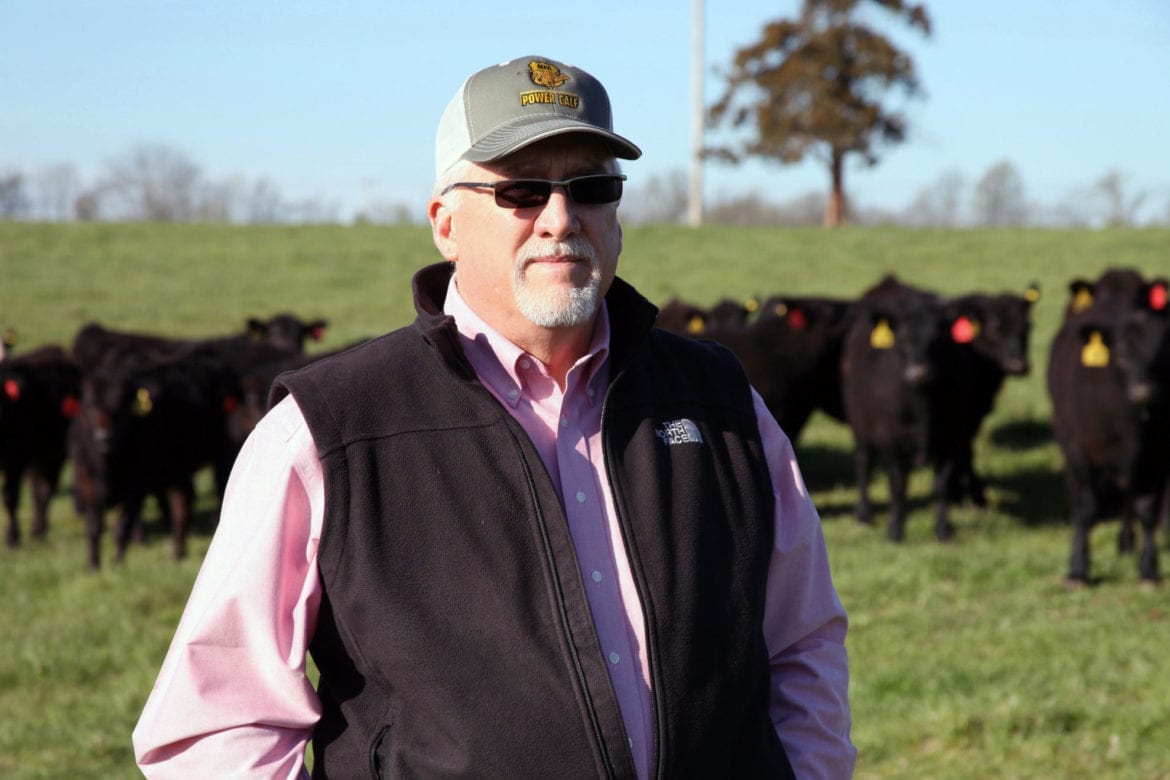
President Trump made campaign promises to pull the U.S. out of big international trade deals and focus instead on one-on-one agreements with other countries. But that has farmers worried they will lose some of the $135 billion in goods they sold overseas last year. Two years ago, Missouri rancher Mike John expected the U.S. beef…
Big Data Is Transforming How Scientists Create Better Seeds
This summer, in cornfields in Iowa and Nebraska, about a thousand small point-and-shoot digital cameras will be enclosed in waterproof cases, mounted on poles and attached to solar-powered battery chargers. They will take pictures every ten minutes as plants grow; all part of a plan to create better seeds. “We watch plants go through their…