
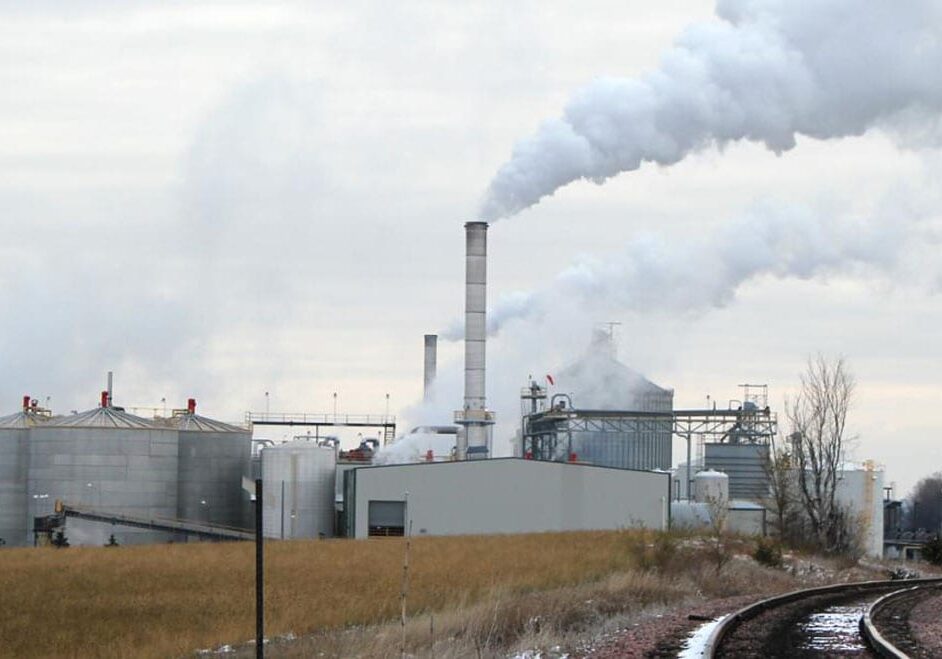
The amount of ethanol blended into the U.S. fuel supply will go up under new rules issued Monday.
In releasing the details of the Renewable Fuel Standard, the policy that sets the amount of biofuels oil refiners must blend into the fuel supply, the U.S. Environmental Protection Agency said it planned to continue to increase the proportion renewable fuels, most of which is comprised of corn ethanol.
Ethanol policy is a hot-button issue in farm states, as it is both a major element of the corn economy and a favorite target of environmental groups.
The volume mandates for 2014, 2015 and 2016 are less than the rules proposed in the 2007 law that established biofuel policy, angering some farm groups. But the levels ultimately include more room for biofuels than a draft proposal released in May that was roundly criticized in corn country.
The EPA has said ambitious levels set in the original law cannot be reached because the public isn’t using as much total gasoline as expected – thanks mostly to improvements in vehicle efficiency – and that the industry creating advanced biofuels made from non-corn sources has yet to mature.
The RFS does increase the level of so-called advanced biofuels by about 1 billion gallons from 2014 to 2016.
“USDA and this Administration remain committed to using the full set of tools at our disposal to expand the use of biofuels,” Agriculture Secretary Tom Vilsack said in a statement.
A strange-bedfellows coalition of environmental groups, oil industries and fiscal watchdogs continue to oppose the RFS. The Environmental Working Group, for instance, says ethanol made from corn is worse for the climate than gasoline. The oil industry and fiscal conservatives object to federal support for this small segment of the energy industry.
The ethanol mandate helped spike corn prices to record highs in recent years, spurring the rural economy, while also providing an incentive for many farmers to plow up carbon-storing grassland.
Harvest Public Media, based at KCUR 89.3, reports on farm and food issues in collaboration with public media stations across the Midwest. For more information, visit www.harvestpublicmedia.
Reading these stories is free, but telling them is not. Start your monthly gift now to support Flatland’s community-focused reporting.

Related Stories

Can The Buzz Of Bees Predict Success For Farmers?
See a bee; hear a buzz. That is what researchers studying the declining bee population are banking on. A new technique based on recording buzzing bees hopes to show farmers just how much pollinating the native bee population is doing in their fields. Vegetable and fruit growers depend on pollinators to do a lot of…
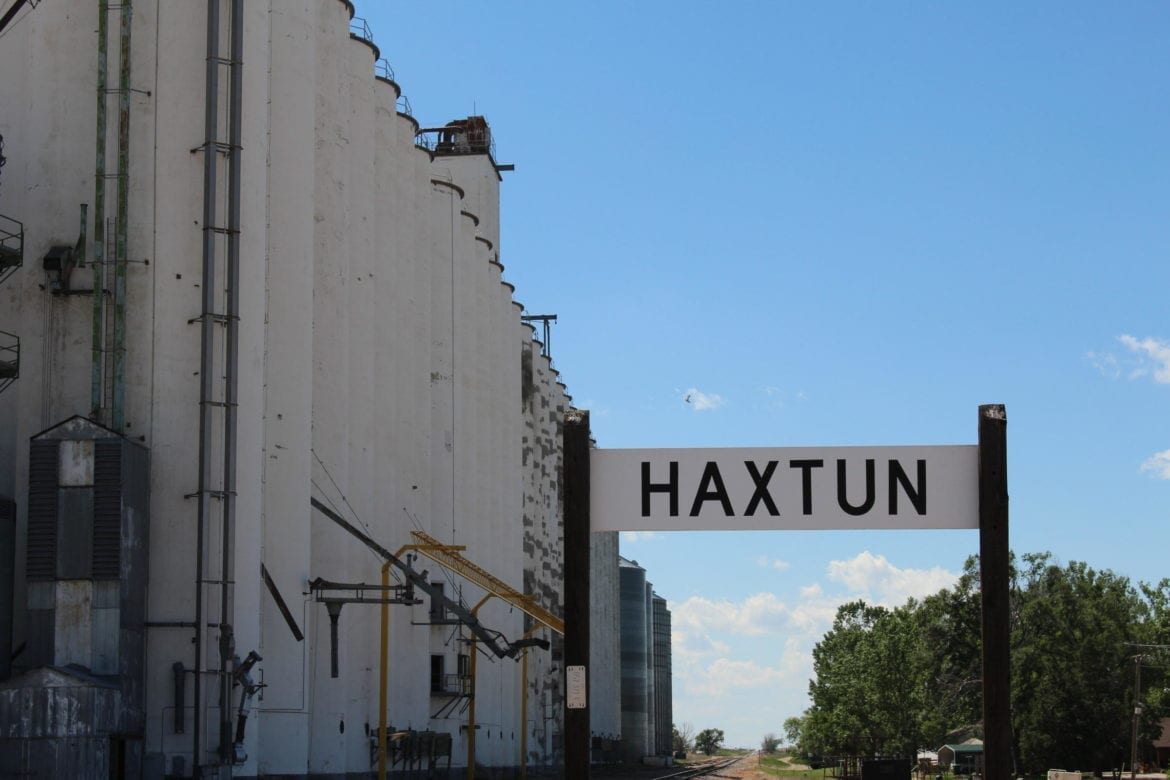
As High-Tech Farms Take Hold, Can Farm Towns Hold On?
Brandon Biesemeier climbs up a small ladder into a John Deere sprayer, takes a seat in the enclosed cab, closes the door, and blocks out most of the machine’s loud engine hum. It is a familiar perch to the fourth-generation farmer on Colorado’s eastern plains. He turns onto a country road, heading south to spray…
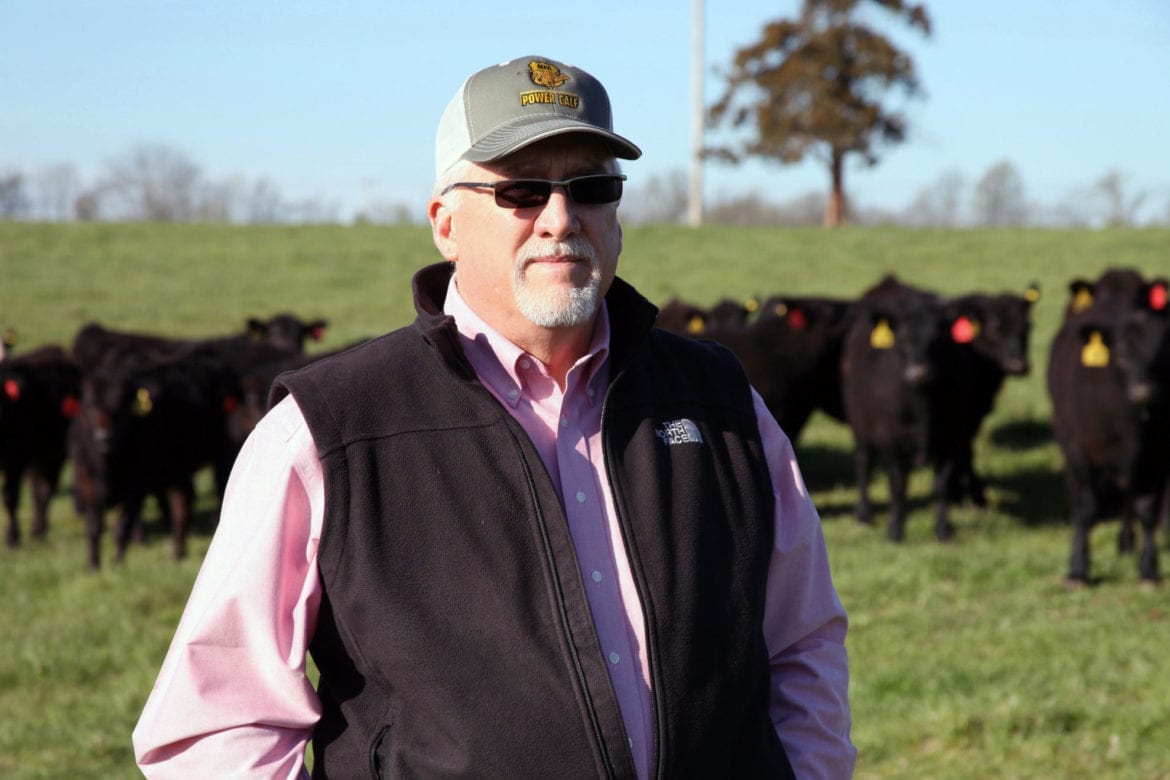
Without Big Trade Deals, Missouri Farmers Worry They’ll Lose Out
President Trump made campaign promises to pull the U.S. out of big international trade deals and focus instead on one-on-one agreements with other countries. But that has farmers worried they will lose some of the $135 billion in goods they sold overseas last year. Two years ago, Missouri rancher Mike John expected the U.S. beef…