
curiousKC | The Swedish Brothers Who Helped Settle the Heartland
September 7, 2020 | Catherine Hoffman | 4 min read
Before the Property Brothers, there were the Belinder Brothers.
Sometime between 1874 and 1876, Frank Alexander Johnson and Andrew Gustaf Johnson left Sweden for the United States to make it big in real estate. The two brothers changed their name to Belinder, after their beloved Swedish elementary school, and became influential real estate developers in Kansas City.
The Belinder story intrigued a curiousKC follower, who asked us to elaborate on their impact on Kansas City.
In the late 1800s, Kansas City was experiencing a boom. Railroads were bringing in travelers and businessmen as the country expanded west, and the stockyards in particular were starting to flourish. Capitalizing on this, the Belinder brothers opened the Terrace Hotel in the area — their first real estate venture of many.
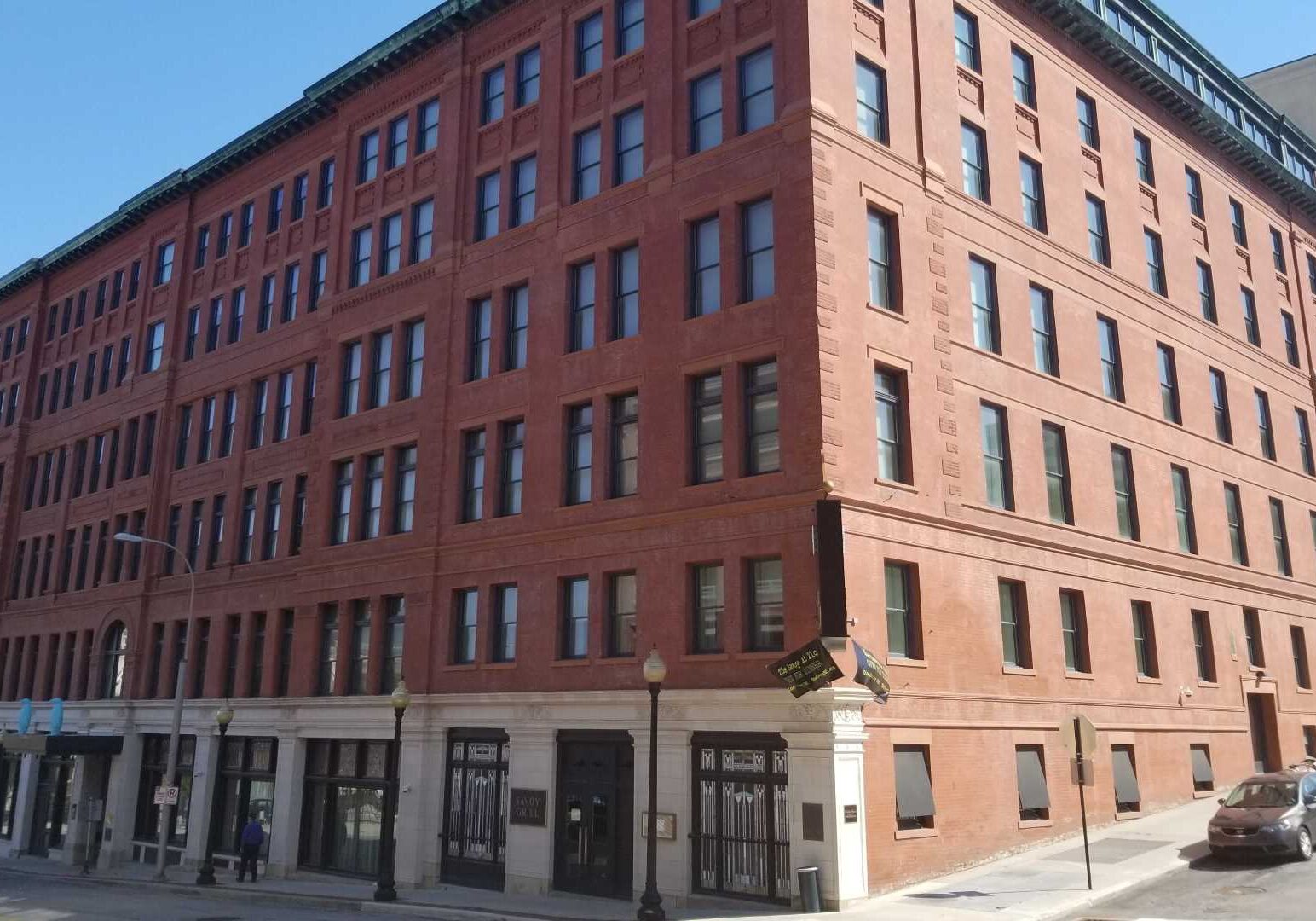
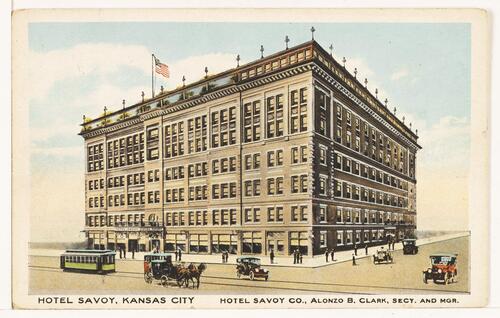
After the success of the Terrace, Andrew and Frank embarked upon another real estate venture –– a hotel at 9th and Central streets called the Savoy.
The Savoy still stands today as a historic KC landmark. The hotel boasted luxurious amenities and food, and it became a popular destination for travelers and entertainers over the years, including Harry S. Truman.
Centuries later, the Savoy has been turned into the Savoy at 21C — part hotel, part restaurant, part museum, and the perfect place for a modern day history buff.
The Belinder brothers weren’t only interested in upscale hotels. In 1881, Alexander purchased “Miller’s Place,” a rough and tumble saloon near the stockyards. These saloons tended to get so rowdy that women would protest when one was being built in their area. Miller’s Place was no exception.
In the late 1800s, Toad-a-Loup was known as the toughest saloon on the Kaw. It was untouchable by the police trying to keep the peace, and according to an 1897 article from the Kansas Times, “Toad-a-Loup numbers about 150 people, and six years ago no fight was a success unless everyone one of the hundred and a half were in it.”
Put simply, not a saloon for the faint of heart.
Sometime around 1880, a man named Miller, whose first name has been lost to the sands of time, rolled into town like a tumbleweed. He beat up the toughest guy from Toad-a-Loup, earned the title of “King Miller,” and opened up the new toughest saloon on the Kaw: Miller’s Place.
Before the more law-abiding Andrew Belinder took over, Miller’s Place had a reputation for evading the authorities. Because the saloon was right on the state line, whenever the Missouri police came knocking for non-payment of a saloon license, he would claim to be on the Kansas side (and vice versa). “The king” apparently also fixed all of the local elections. It’s unclear exactly why Andrew Belinder took ownership of the saloon, but one can imagine Miller’s escapades couldn’t have gone on forever.
According to a snippet from The Atchison Daily Champion in 1881, Belinder renamed the saloon “The Mint” and kept in stock “the best wines, liquors, and cigars procurable.” It also boasted of a daily “elegant” free lunch, and proclaimed to be “the place for a quiet ‘smile’.”
For decades, Frank and Andrew bought and sold property in Kansas and Missouri, building a business that had relatives from Sweden coming to work for them. Eventually, as Kansans may know, they had a road named after them.
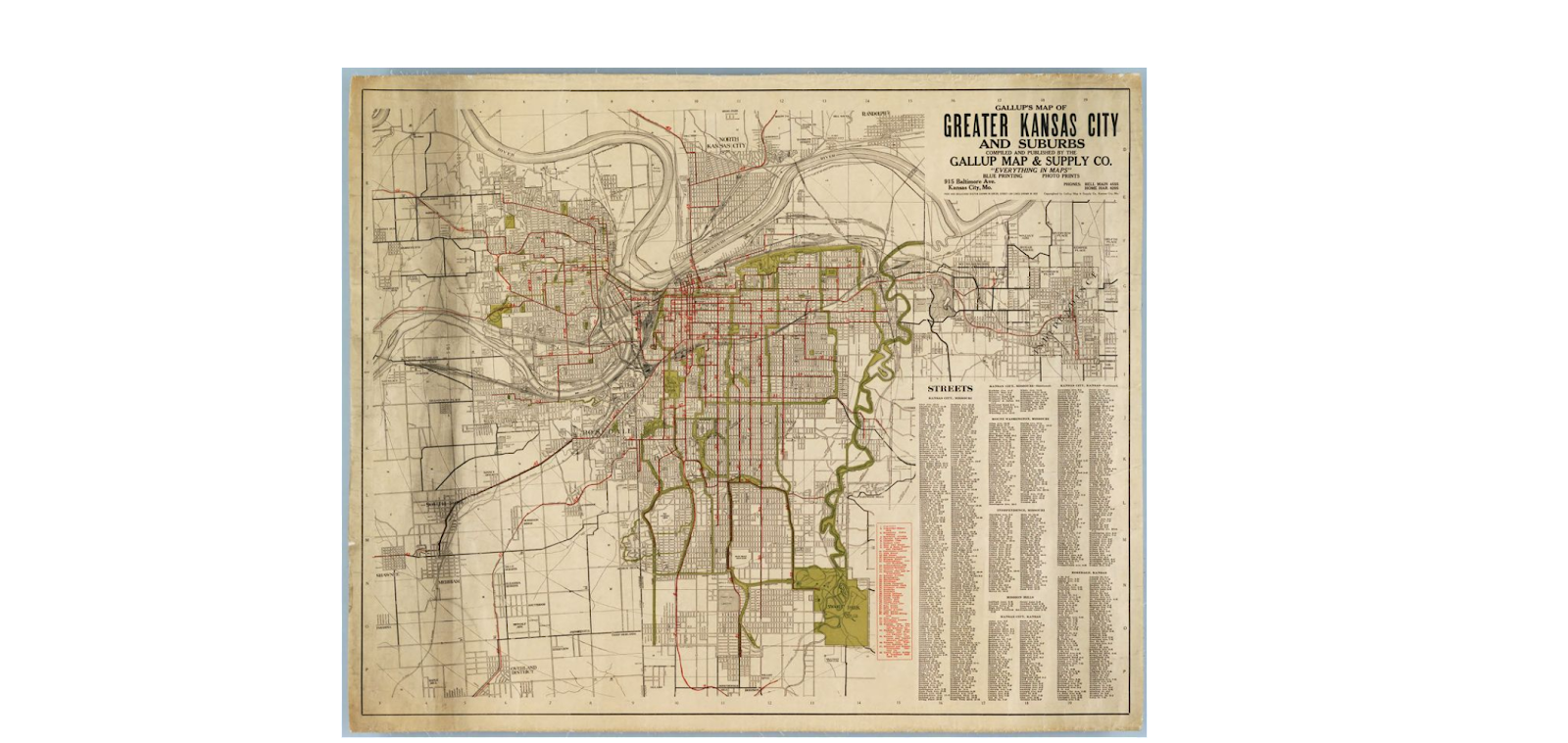
To this day, Belinder Road stretches through much of Johnson County.
Catherine Hoffman reports for Kansas City PBS in cooperation with Report for America.
curiousKC is supported by

Reading these stories is free, but telling them is not. Start your monthly gift now to support Flatland’s community-focused reporting.
Related Stories
A Better Big Blue Battlefield in Kansas City | Part II
Editor’s note: This is the second installment of a three-part series on the restoration of the Big Blue Battlefield in Kansas City, Missouri. In the mid-19th century, overland trail teamsters driving wagons west sometimes followed a branch of the Santa Fe Trail out of Independence, using the shortcut to reach fields where the animals used…
A Better Big Blue Battlefield | Part I
Editor’s note: This is the first installment of a three-part series on the restoration of the Big Blue Battlefield in Kansas City, Missouri. It was cold for late October in Kansas City. In 1864 Lt. Patrick Henry Minor, then leading an artillery battery against Confederate forces, would die the following March, from what likely had…
Historic Earthquakes Accounts Guide Modern First Responders
On December 16, 1811, a U.S. Army officer stationed in the soon-to-be-established Missouri Territory woke just after 2 a.m. reacting to what he described as a “great agitation”, an earthquake. Several of the officer’s guards, he soon wrote to a friend, “could scarcely keep their feet” during the shaking, which he said lasted about eight…